One imperial commitment, three resident systems
Hukular's overseas campaigning became global through separate resident formations, not through a single army traversing an imaginary land corridor. The linked Gaften, Viar and Grand Isles registers cover operations from 1210 to 1233. Their common element was the attempt to maintain local advantages through sea-fed establishments. Their differences mattered just as much: dry-country water organization, forest and workshop approaches, and island receiving and escort arrangements presented distinct military problems. The sixty constituent battles form evidence of a dispersed imperial commitment whose local victories continued long after maintaining the whole commitment had become increasingly difficult.
Hadin Serk commanded the Hukular 1st Gaften Expeditionary Corps, deployed by sea to consenting Ruuyaq and Azmar facilities. Velra Nesk commanded the 2nd Viar Expeditionary Corps, using agreed Rostan and Novren facilities. Rovan Taln commanded the 9th Maritime Support Group, a separate force supported through consenting Kelonese and Maliko bases. Raden Thesk coordinated the overseas commitment. His role did not require him to command simultaneous distant firefights personally. Distinguishing these resident commands allows the archive to show Hukular's global reach without giving it impossible movement or erasing the military contribution of its Axis partners.
The agreements supplied defined reception and support rights. They did not confer access through neutral Amarin, every Viar country or unrelated islands. Each advance therefore had to be explained from the force's sea-fed base, held lodgments and locally maintained transport. A secured road inland could expand practical reach, but could not solve a shortage of convoy protection at sea. A successful escort action could deliver engineering stores, but could not supply every distant formation indefinitely. The campaign's long development depended on linking such gains while accepting the time and resources required to maintain each separate establishment.
Gaften: the reach of a water system
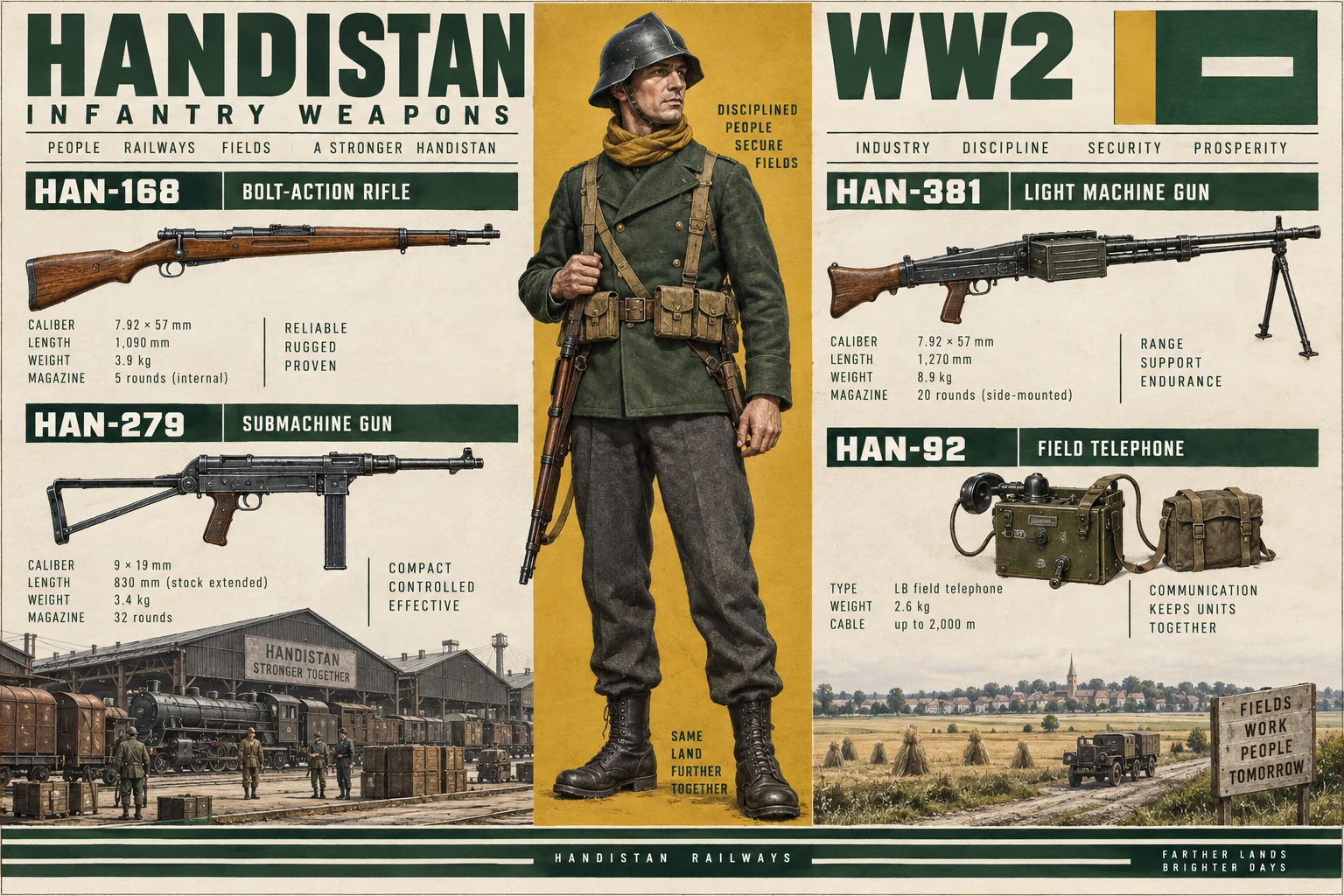
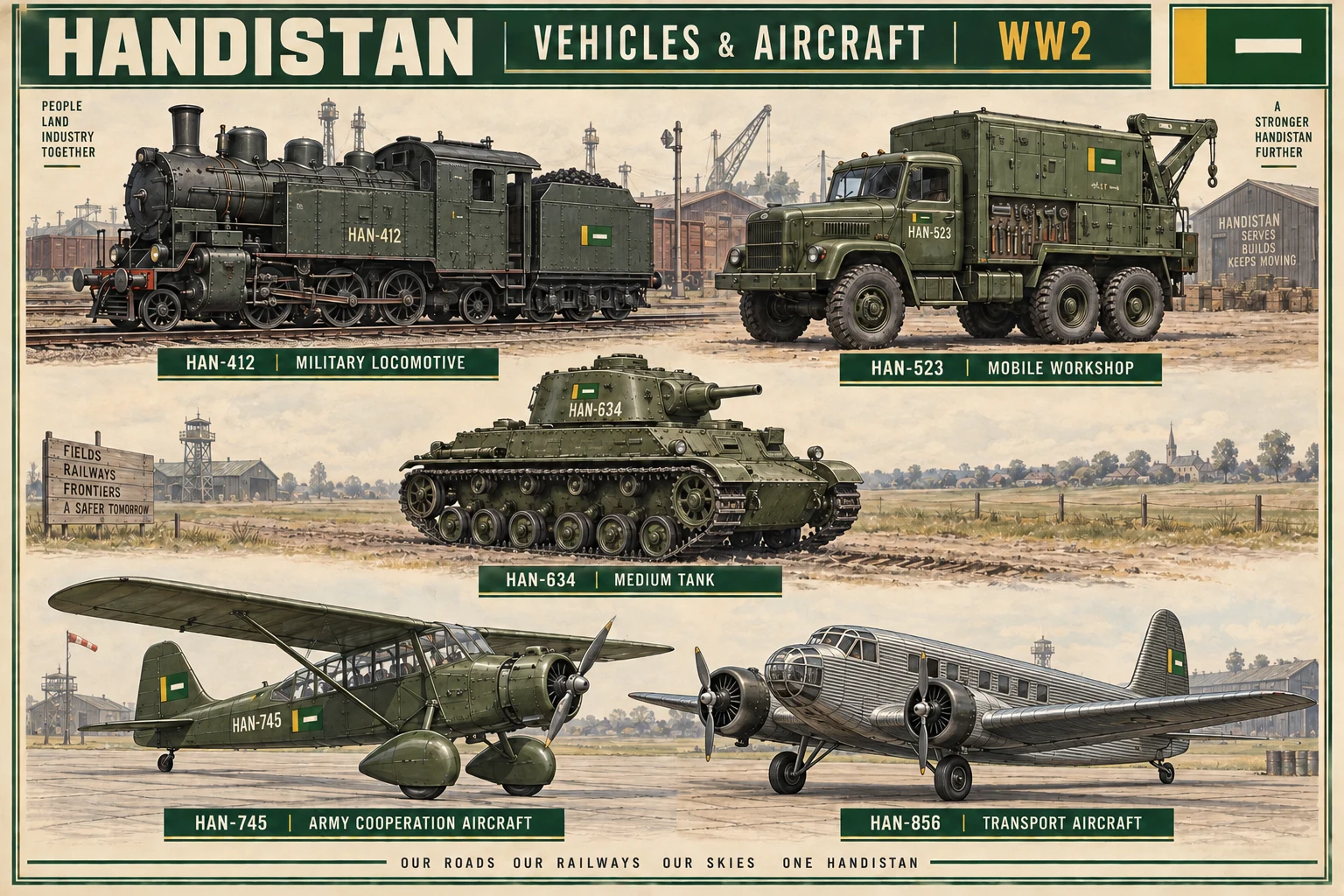
Damar Split Well in August 1210 gave Hukular and its Ruuyaq partners the lower source and enabled a limited advance beyond the expeditionary depot. Qeran Dry Crossing opened the ravine exit later that year without eliminating deeper Handistani defenses. Nassar Salt Apron in 1211 made a sustained forward presence possible because its outlet remained repairable. These three actions demonstrate that water could define the difference between a raid and a campaign. Serk's force could only extend its frontage as far as it could deliver dependable supplies to men and animals. A map arrow beyond that limit would describe aspiration rather than combat capacity.
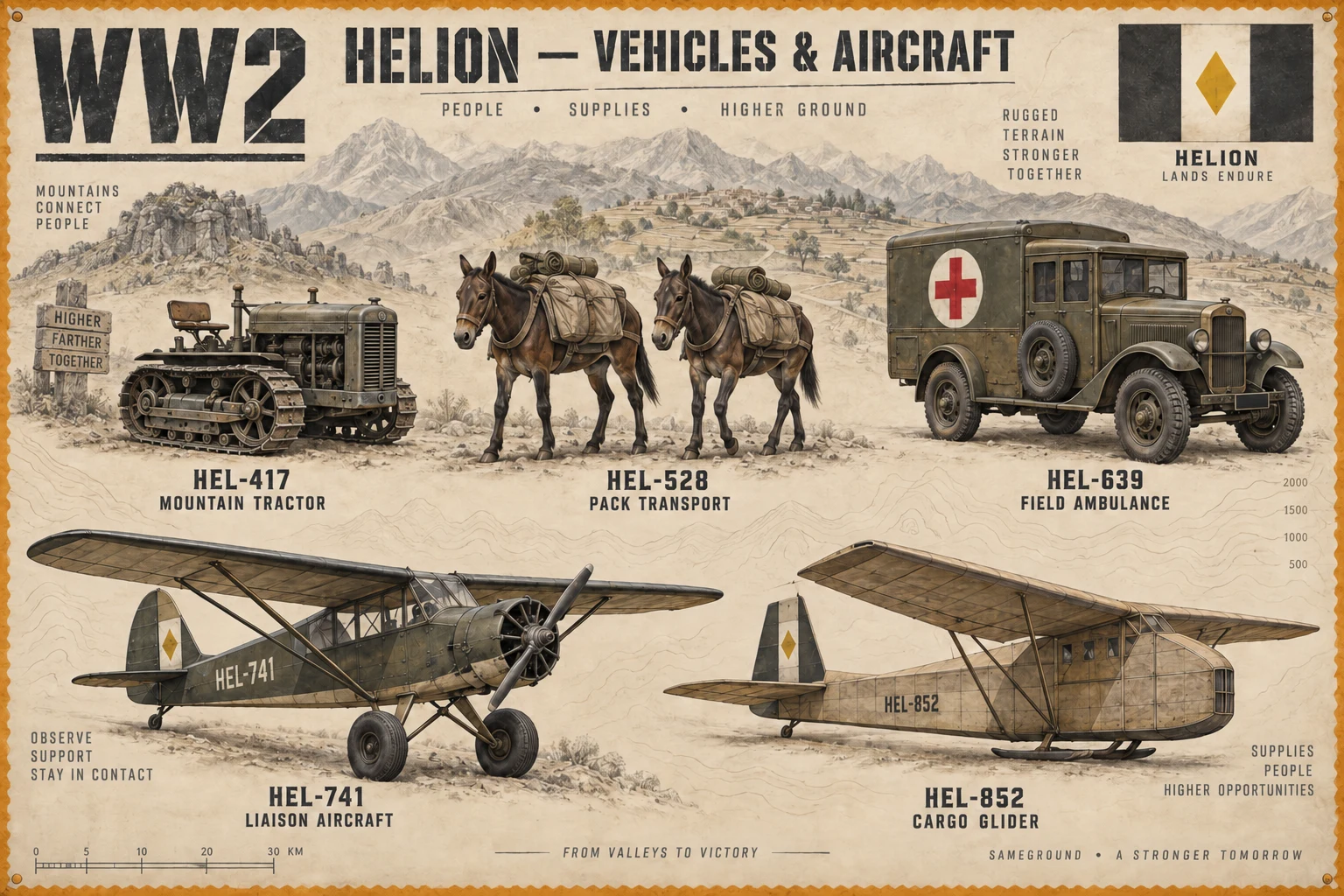
Serran Goat Pass in 1212 opened a difficult supply approach after light infantry secured the upper paths. Gavar Terraced Tanks then removed a local defensive water advantage without conquering the surrounding cultivated districts. Belat Pump House in Qarim in 1214 and Azaren Canyon Mouth in 1215 continued the expansion of serviceable approaches and gun access. The defenders retained other lines, including the next mountain position after Azaren. Allied liaison and field officer Hamir Qel served partner fronts under the relevant commands; his recurring presence connects cooperation across Gaften without suggesting that the separate national armies had become one undifferentiated force.
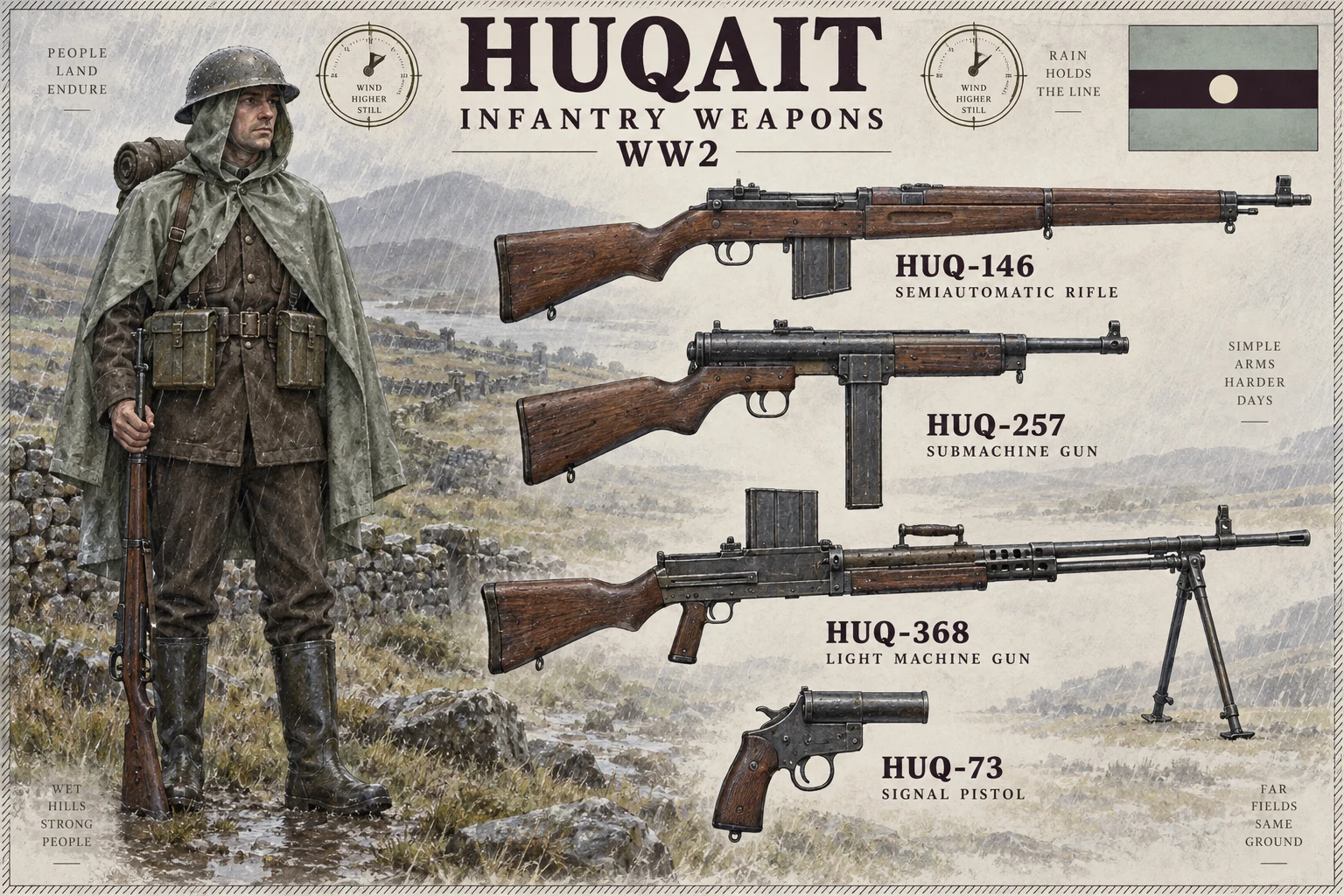
Hedar Terraces in 1216 widened sustainable frontage while leaving Qarim's field army intact. Menar Spur Fort in Huqait in 1217 gave the corps a permanent gun route beyond a pack-only limit. Karat Canal Bank in Handistan in 1218 allowed pressure against interior approaches after the road was drained. At Nehar Terraced Intake in Qarim in 1219, the intake supported a foothold on higher dry ground. The pattern is cumulative, but the increments are specific. Paths, pumps and gun routes made the corps more capable in its own theater; they never removed the separate requirements of its sea supply or made every neighboring district occupied territory.
Sustainable advances and continuing resistance
Perat Upper Fields in 1220 put the Gaften corps above the road without granting it the whole agricultural region. Qarven Saddle Road in 1221 supplied a forward artillery position from the agreed Axis depot. Saven Distribution Steps in 1222 and Varen Gravel Road in 1223 linked water and road access to further advance. These gains show sustained operational competence. They also show the persistence of boundaries. The corps had to organize its own distribution after taking the defender's advantage, and the surviving opposing formations could still contest routes beyond the captured ground. Territorial progress required a support establishment that grew with it.
Eshar Stone Stair in 1224 established a permanent forward gun position while mountain resistance continued. Jalven Double Cistern in 1225 widened deployment on the dry plateau; Meren Dry Galleries in Handistan in 1226 divided the valley defense while preserving a viable sea-fed chain. This Handistani locality should not be confused with the Teran Meren campaigning associated with the 87th Corps. Names that recur in separate theaters require their geographical context. The register supplies that context, allowing the historian to follow Serk's formation without transporting it into Cevan Rusk's operational history or treating similar place names as evidence of a shared battlefield.
Saren Stone Counterstroke in 1227 restored lower-mountain supply security. Noren Upper Source in 1228 supported a broader concentration; Varat Wadi Mouth in 1229 connected positions to a dependable but tightly rationed heavy supply road. Belar Raised Aqueduct in 1230 enabled a lasting concentration on the upper terraces. The successful counterstroke at Qeran Saddle in 1231, Selar Final Plateau Gain in 1232 and Haval Last Depot Defense in 1233 preserved local commitments under mounting wider pressure. Their outcome was real. Their changing consequence was equally real: the late victories increasingly protected an existing force instead of furnishing the means for renewed imperial expansion.
Viar: unloading, repair and connected districts
The 2nd Viar Expeditionary Corps entered the revised register at Praxen's Ostel Tram Cut in August 1211. Capturing the cutting supplied a dependable local unloading route and put forward stores under fire. Verten Shelf in Helion supplied observation without ending organized defense. Meril Clearing in Dreska in 1212 secured intersecting tracks after an ambush threatened the advance. Neret Assembly Grove in Helion in 1213 exploited a verified unloading interval before a reserve assembled coherently. Nesk's successes rested on local reconnaissance and traffic relationships; the corps was a resident formation with its own repairs and supplies, distinct from Serk's Gaften establishment.
Kevel Logging Spur in Dreska in 1214 supported a limited forest campaign. Lovan Tram Loop in Praxen in 1215 became a forward transfer point, and Vellar Workshop Stair in Helion in 1216 provided a protected repair depot. Sorel Snowmelt Bridge in 1217 secured a repairable crossing before a second demolition. These gains placed transport and engineering inside the combat chronology. The continued defense under partner commands, including Elya Vos's Allied liaison work, involved preserving the next repair and assembly possibilities rather than merely defending the same ground indefinitely. A bridge saved for the attacker could be a supply cycle lost to the defender.
Vesar Freight Quarry in Praxen in 1218 removed a protected receiving point. Ovel Brake Works in Helion in 1219 lengthened repair; Nelven Forest Cable in Praxen in 1221 separated detachments before contact was restored. Daven Undercliff Stores in Helion in 1222 sustained expeditionary vehicles with surviving fuel and fittings. Sorel Lift Works in Praxen in 1223 degraded district supply capacity through the loss of machinery and parts. Captured installations offered actual advantages, but damaged equipment, skilled labor and usable approaches governed their yield. The corps did not gain an inexhaustible industrial base simply by placing a workshop's name on its return.
Karel Tree Belt in 1224 prevented districts reinforcing each other; Delor Terrace Works in 1225 worsened repair deficits; Tavren Assembly Cable in 1226 dispersed a reserve effort. Kovel Workshop Spur in 1227 removed convenient heavy unloading, while Tavel Counterstroke in 1228 restored a road after an Allied attempt to break the concentration. Malven Field Exchange in 1229 and Ravel Ridge Depot in 1230 brought intermediate defenses and assembly routes under pressure. Vanel Repair Court in 1231, Norvel Forest Return in 1232 and Kaven Withdrawal Shelf in 1233 completed a progression from local expansion to preserving repair columns during withdrawal. None decided the entire Viar war alone.
Grand Isles: receipt rather than unrestricted command
The 9th Maritime Support Group established a sea-supplied local lodgment at Varnu Receiving Reef in 1210 with Kelonese assistance. Nerau Signal Islet in 1211 disrupted traffic identification; Kaven Boat Pens in Taluma in 1212 denied protected repair and refueling; Senau Coal Pier in Naviri in 1213 reduced escort endurance until a replacement base opened. Fenaru Slipway in Kalanu in 1214 then removed fittings used for rapid small-craft repair. These actions affected the practical circulation of shipping. Taln's land and engineering elements supplemented Kelonese forces; they did not replace the Kelonese armies or grant Hukular sovereignty over every island route.
Kelau Watch Quay in Naviri in 1216 forced movements into a less sheltered channel. Talar Strait Sailing in 1220 delivered required engineering stores to the protected core of a convoy. Oralu Cove Passage in Ranuva in 1223 furnished a temporary support point. Senu Channel Anchors in Taluma in 1225 held a transport lane despite growing Allied pressure elsewhere. Tavin Orell's Allied island-theater liaison work connects shore and naval opposition across these records, while preserving the distinction between partner detachments and a single universally available fleet. The battle for reception was also a battle over how long ships and local defenders could operate before returning to repair or refuel.
Horau Repair Passage in Kalanu in 1227 retained the reserve with the cargo until useful stores reached the agreed base. Talau Night Exit in Naviri in 1228 made a receiving point unusable until another route opened. Soval Support Sailing in 1233 delivered essential cargo through close escort. Its success did not repair the strategic maritime imbalance. At this late stage, protection of one sailing could prolong a local commitment while other routes remained beyond adequate cover. Thesk returned to Volara in late 1233 after overseas supply disintegrated and was removed from operational command before the capital campaign. He did not appear as the omnipresent field leader of the empire's final battles.
Civilian costs and the limits of the network
The dry source, workshop, landing and receiving reef all had civilian uses before the military contest. Seizure could improve expeditionary endurance while depriving a household of water, a community of repair capacity or an island of ordinary transport. Civil officials, volunteer carriers and workers preserved records, assisted relatives and moved tools where they could. Those decisions express agency under occupation; neither remaining with an infirm relative nor operating an installation implied consent to conquest. The records of local receipt and ownership therefore belong alongside the military claim that a newly captured source or machine reduced the force's next supply journey.
The three registers trace separate establishments through two decades of global operations. Their crosslinks to the Gaften, Viar and island major syntheses provide closer accounts of particular reverses, while the annual chronology explains the growing coalition and the later strategic recovery. Their central finding is that Hukular's operational reach was extensive and technically organized. Its outer victories could persist because resident commanders adapted to local conditions and cooperated with Axis partners. Yet the empire's growing commitments also depended on sea supply, escorts, cadres and replacement capacity that local capture could not replenish indefinitely. Global advance and eventual Allied victory are compatible outcomes of this same campaigning system.