Kalanu
Kalanu is a nation of Grand Isles. Its eventual alignment in the Second World War was allied.
Government in 1580
The government in 1580 was a parliamentary island republic.
Republican offices. Kalanu is a parliamentary island republic in the Grand Isles, headed by President Mako Lani. The President is elected for a single six-year term by a joint sitting of Parliament and municipal delegates, requiring a three-fifths vote, and carries ceremonial and constitutional-referral duties. The 120-seat Island Parliament is elected every four years by proportional vote in inhabited districts. It chooses a Prime Minister by majority, who directs the ministries of Ports, Fisheries, Health, Education, Finance, Justice, Civil Response, and Defense. A constructive no-confidence vote names a replacement. The President may not appoint a cabinet opposed by Parliament.
Islands and lawmaking. Five island municipalities elect councils and mayors who operate clinics, schools, freshwater works, and local transport. A National Ferries Authority sets published service obligations and is reviewed by an Assembly committee representing each municipality. Bills require a public hearing on transport and environmental effects, a Parliament majority, and presidential promulgation. A President may ask the Charter Court for one expedited constitutional review; after a valid ruling, the act is published. A constitutional amendment requires two-thirds Parliament approval and a majority referendum in at least four of five municipalities as well as a national majority.
Courts and civic rights. The seven-member Charter Court is chosen from a legal board's shortlist by a two-thirds parliamentary vote for one twelve-year term. District courts hear ordinary crime, maritime contracts, and injury cases. The Charter protects speech, worship, political participation, counsel, equal access to public ferries, and judicial review of detention. Emergency relocation from a threatened island requires a documented hazard and compensation for seized boats. A Public Advocate may bring a collective claim for islanders who cannot individually travel to court.
Funding and defense. Port fees, fisheries licenses, national taxes, and equalization grants support the budget. A public Auditor tracks ferry subsidies and emergency supply contracts. If annual supply fails, rescue, clinics, and existing ferry routes continue at old rates for sixty days. The Prime Minister and Defense Minister set policy; a professional Coast Commander runs operations. Parliament authorizes war, while immediate rescue and defense can proceed for twenty days before review. A storm emergency expires in ten days without a parliamentary extension.
Administrative stress. A ferry operator closes an unprofitable route to a small community. The Authority examines its published service obligation, the municipality can request an emergency service plan, and Parliament must fund any permanent subsidy through the budget. Neither the President's ceremonial office nor a private port firm can decide whether citizens retain access to schools and hospitals. Kalanu's parliamentary politics are inseparable from the service network that makes its dispersed jurisdiction governable.
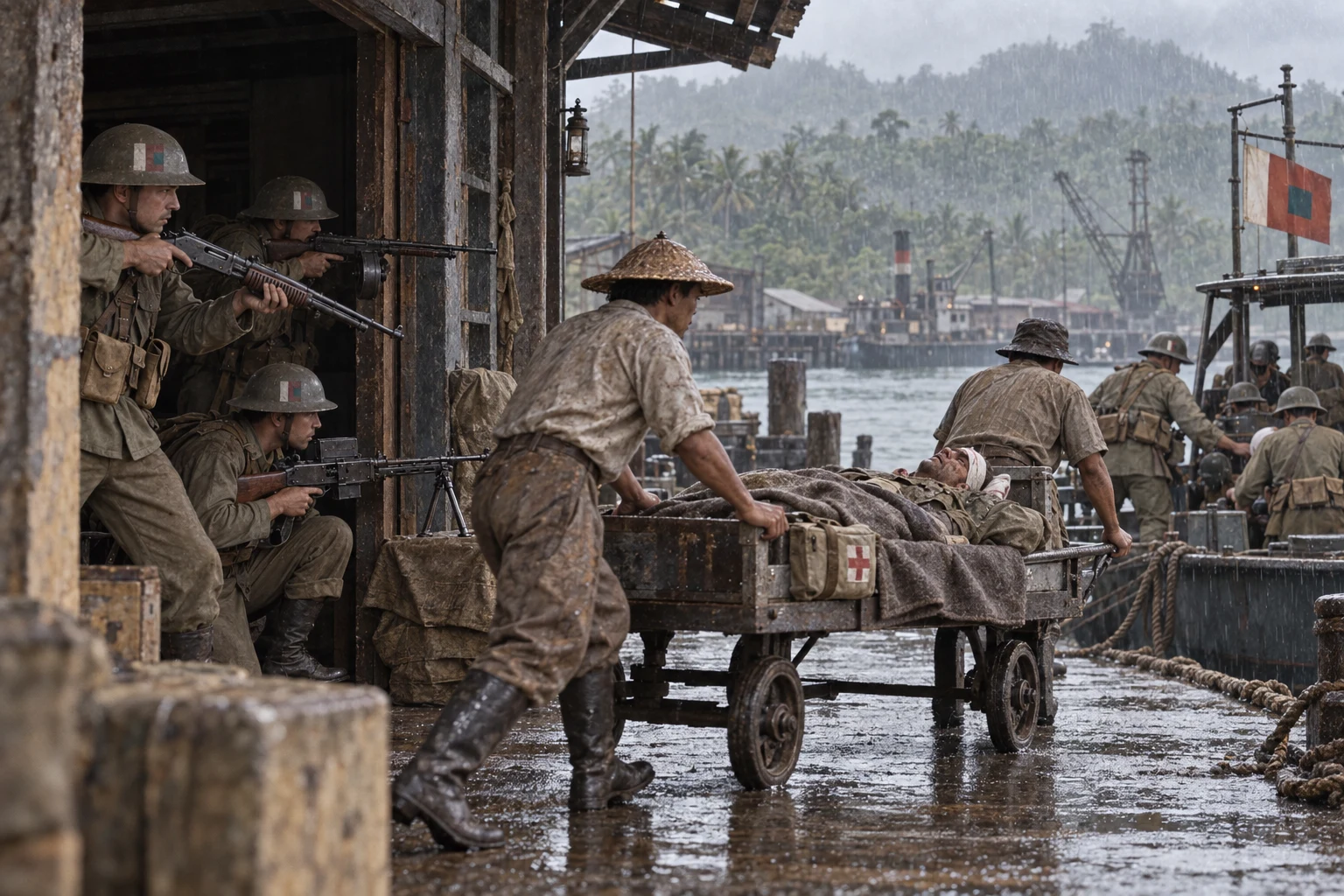
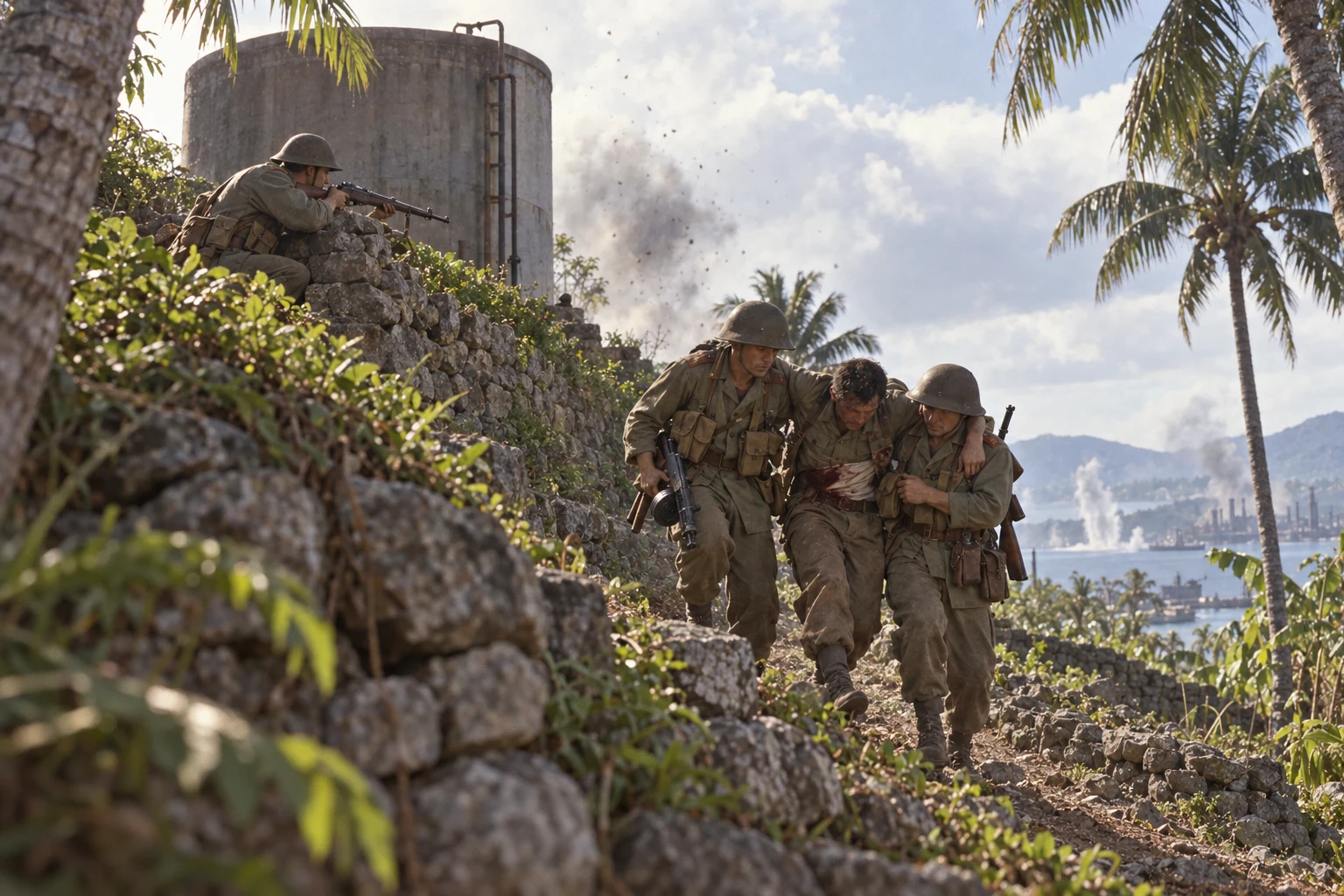
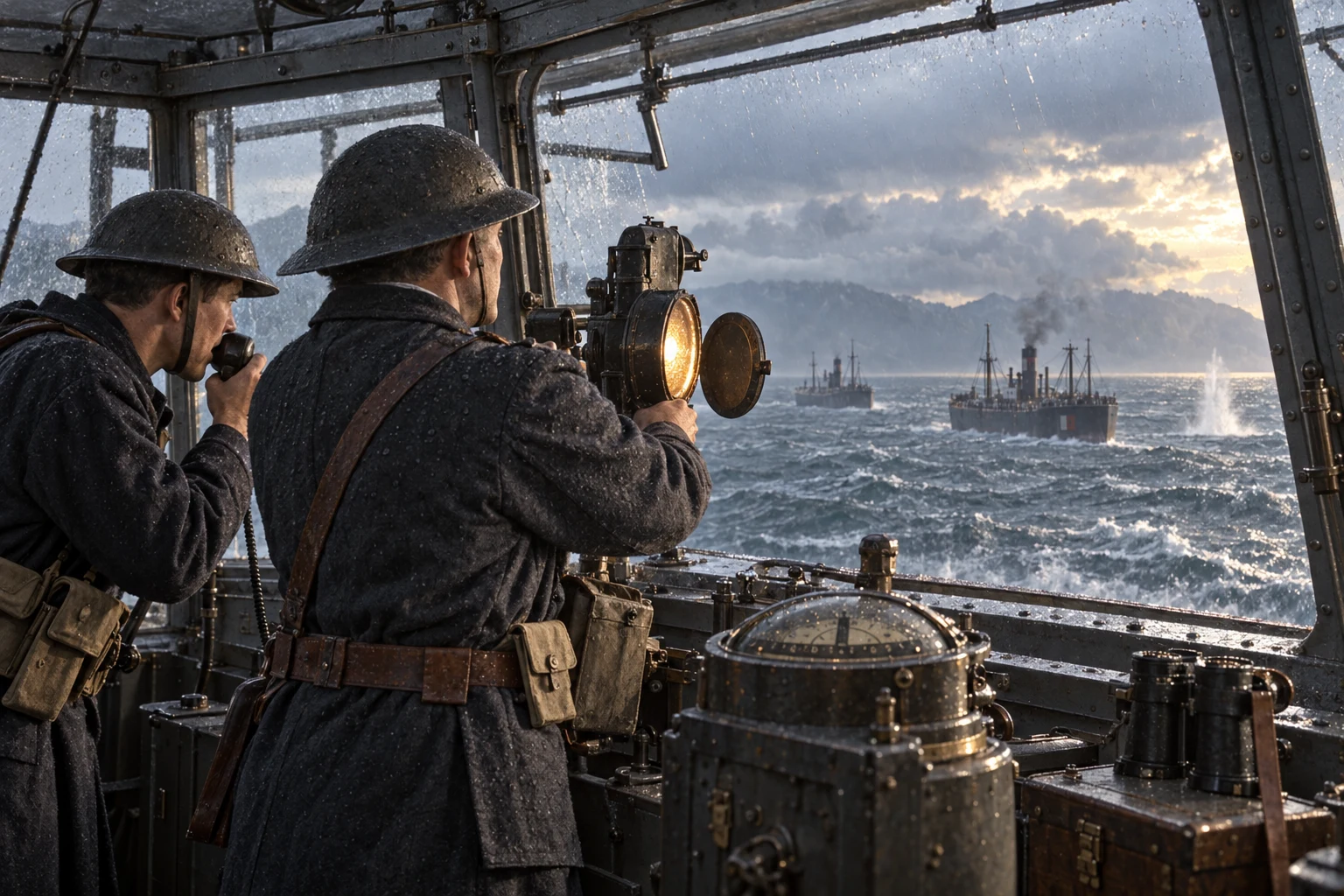
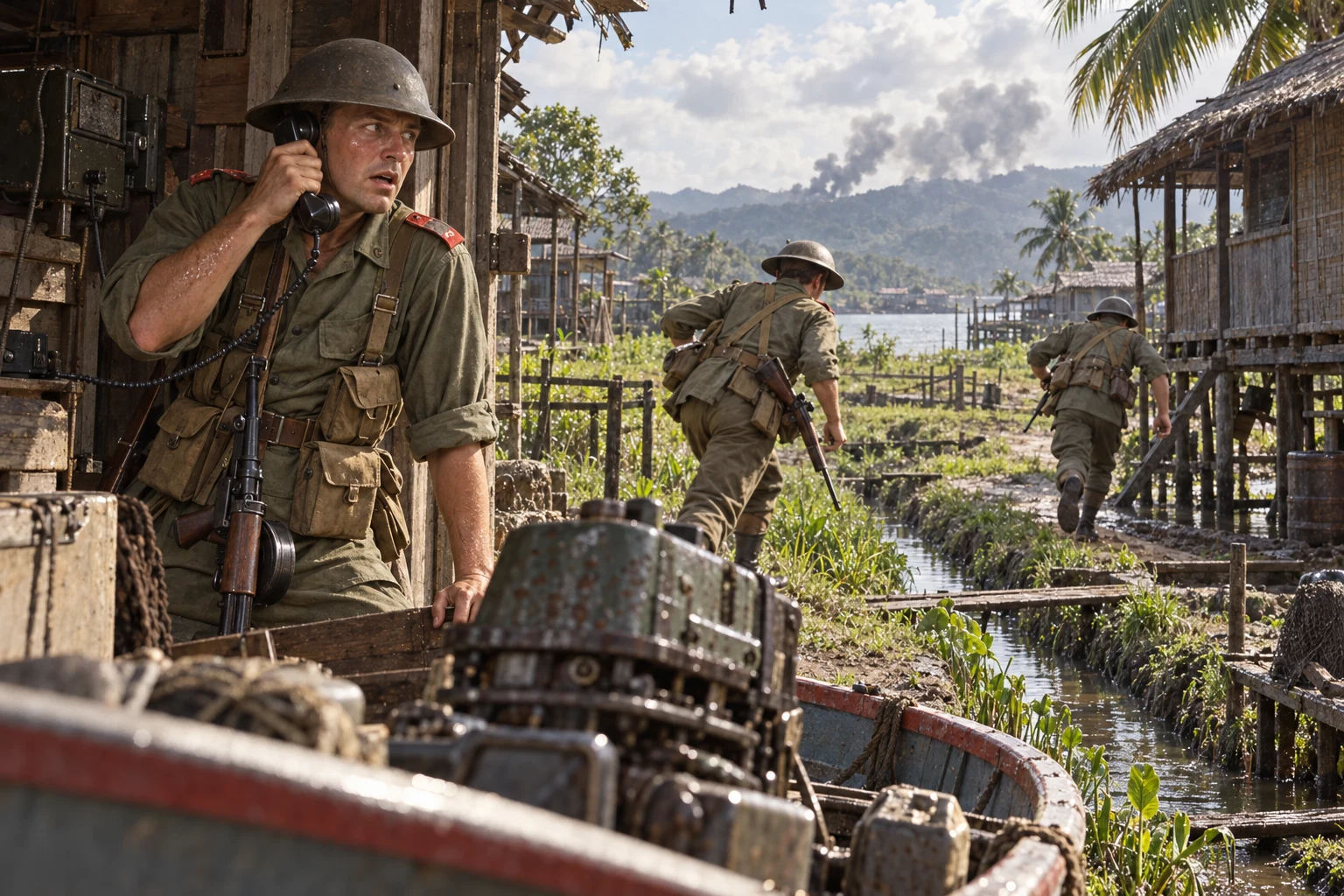
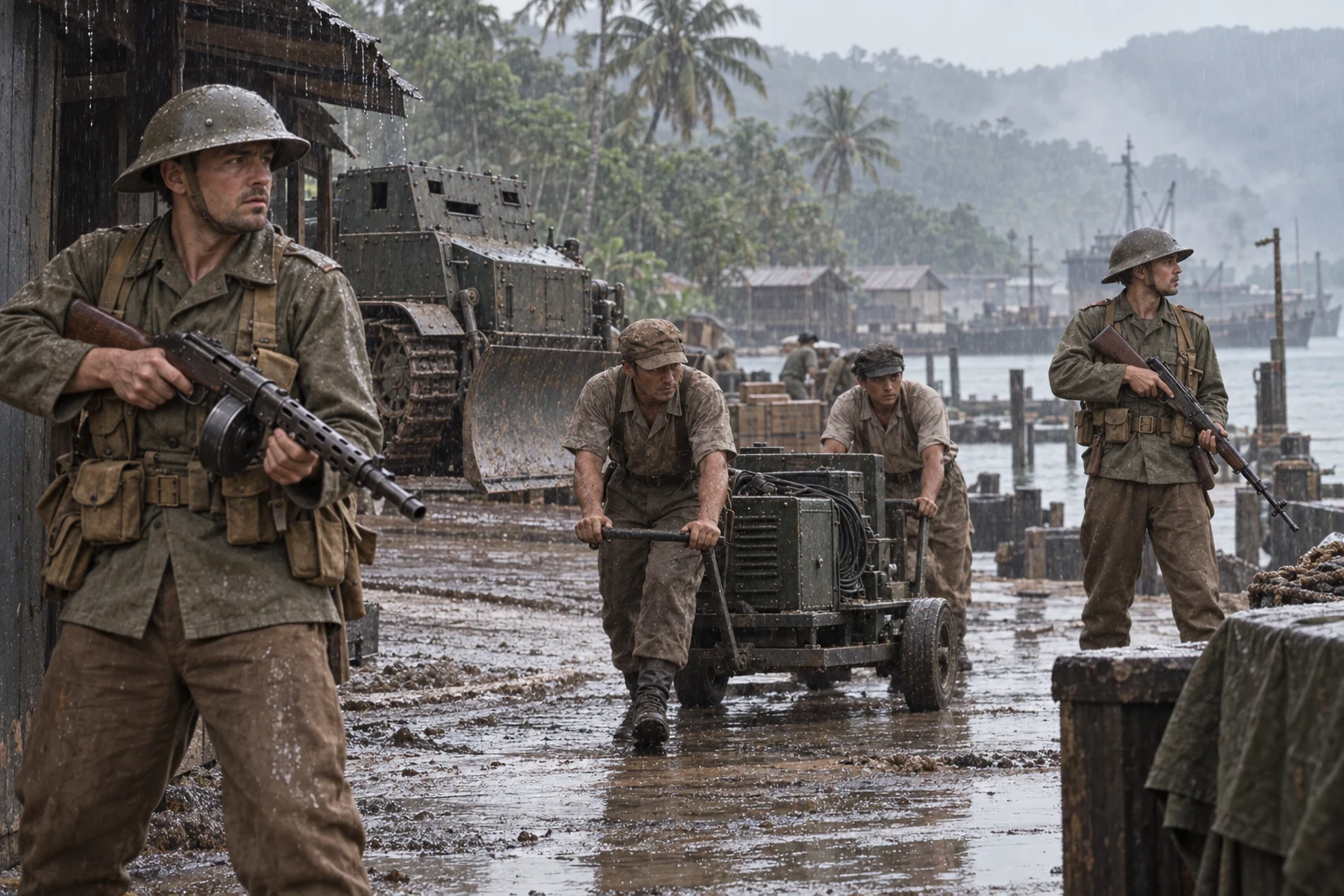
Original illustrations for this source record
Original archive artwork and captions are preserved. Dates, labels and claims printed within inherited images belong to the previous edition; the revised text governs the current history.