The operation
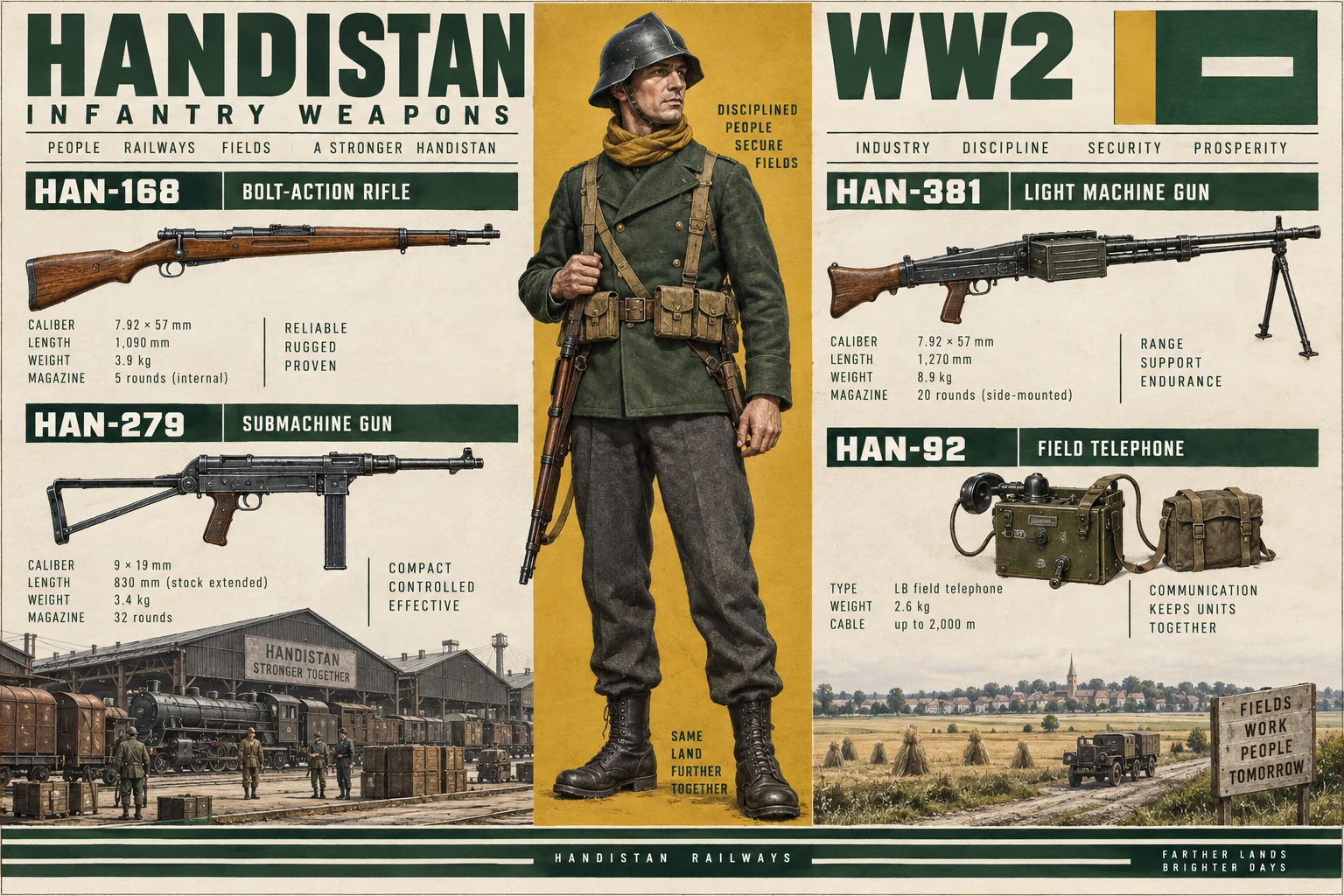
Perat Upper Fields overlooked the water-fed approach road used by Hukular's resident force in Handistan. Cultivated ground, field walls, and successive infantry positions allowed the defenders to strike that approach without exposing their entire belt at once. From August 12 to 22, 1220, Hadin Serk directed the Hukular 1st Gaften Expeditionary Corps in a measured attack to gain the belt above the road. Hamir Qel served the Allied partner-front liaison and field role alongside Handistani resistance. Serk sought a defensible position that would reduce pressure upon his route; taking it would not grant control of Handistan's entire agricultural region.
The fields divided observation and movement into short sections. Walls that sheltered an approach also masked the next defended position, so an opening fire concentration could appear effective without exposing what survived behind it. Infantry crossing cultivated plots risked entering new fire when the bombardment lifted. Serk's patrols worked to distinguish abandoned positions from defended ones before assigning successive tasks. The objective was not a single dash from the approach road to the farthest visible field. It was a series of positions whose capture and consolidation would break the defenders' mutual support while keeping the attackers within the range and supply capacity of their own weapons.
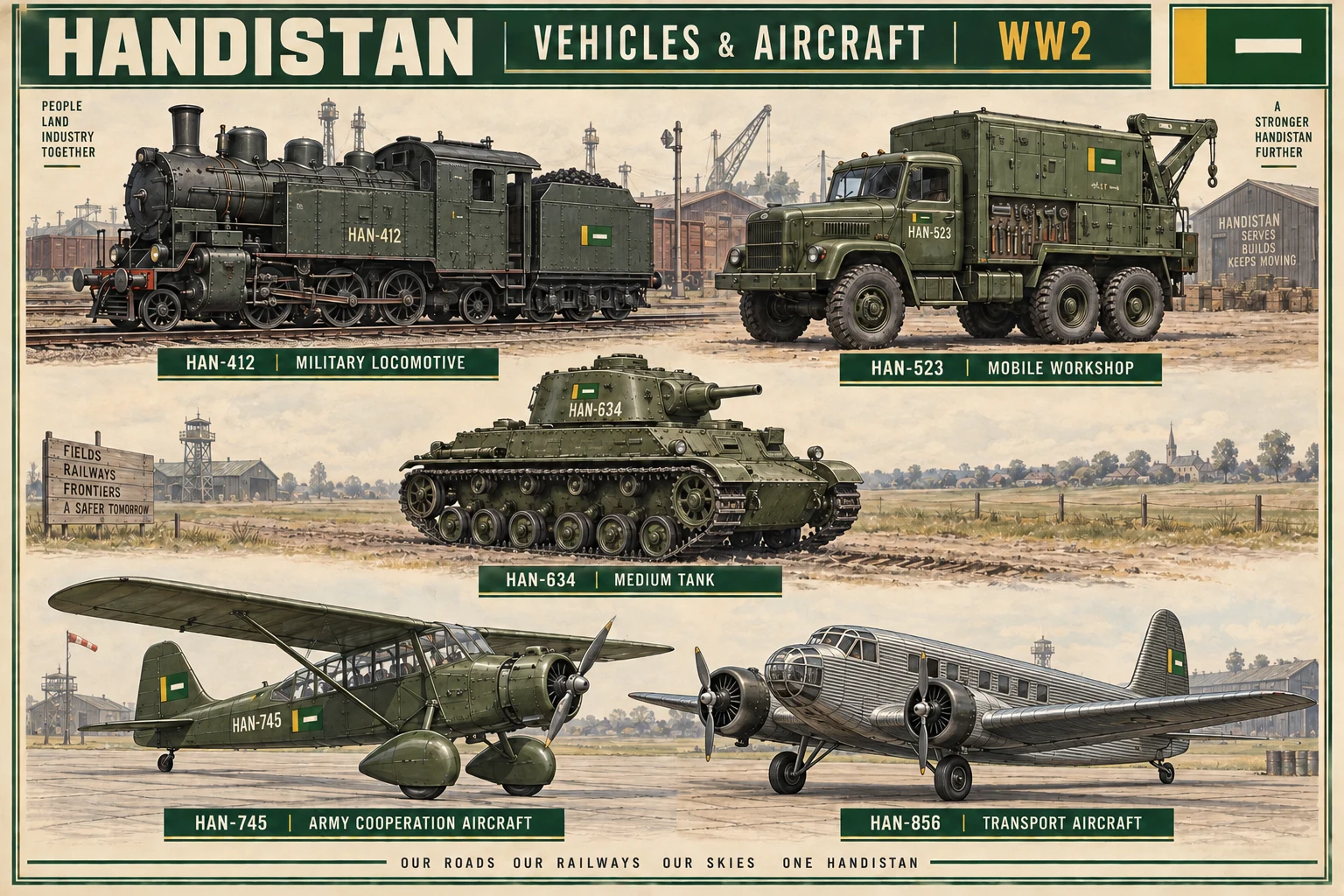
This corps was already resident in Gaften, with its own sea-fed equipment, maintenance, and stores. Supplies had come through consenting Ruuyaq and Azmar reception facilities under bounded military agreements, then moved onward through Axis-controlled approaches to existing fighting lodgments. There was no land bridge from Hukular to Handistan and no automatic access through neutral territory. Raden Thesk coordinated the overseas commitment, while Soren Kast's headquarters supplied the wider framework. Serk remained the local field commander. His vehicles and crews belonged to this expeditionary support system, rather than to a supposedly identical formation arriving from a different continental theater at the moment it was needed.
The fire plan reserved ammunition for successive objectives and for counterattacks after the first breach. Crews sheltered those reserves instead of placing every load beside the guns engaged in the opening task. Carrying parties needed routes from the road to forward collection points that infantry could protect after each gain. Serk established stop lines for assault troops and engineers, giving observers time to identify positions still firing before the next lift. The approach road also carried wounded movement and returning damaged equipment. Crowding it with every available ammunition vehicle would risk interrupting the entire operation at the point where a new fire cycle was most needed.
Handistani defenders withdrew between field walls as the fire shifted, then renewed fire from reserve positions. Their arrangement made each apparent clearance provisional. Qel's partner-front role helped keep the local fight connected to the wider Allied effort without replacing the Handistani troops holding the ground. Those troops conserved positions that could support a counterattack and abandoned ones whose cover had been stripped away. This adaptation aimed to pull the attackers into exposed plots after the first lift, separating infantry from the weapons upon which it depended. The defense remained active between bombardments, rather than waiting passively for a predetermined sequence of shells to overcome it.
Serk's infantry followed short fire lifts and stopped to consolidate the assigned ground. Observers then corrected the next task against the surviving defense instead of allowing the original timetable to determine which position must have fallen. That caution slowed the advance and placed a heavy burden on men carrying ammunition through recently contested fields. It also denied the defenders the long unsupported interval they sought. Engineers worked only where the infantry had secured their access, opening movement between the new holdings without drawing traffic through a position still under flanking fire. Each consolidation gave the next attack a usable base rather than a fragile line of men farther from the road.
Counterattacks reached parts of the growing foothold after fire lifts, testing whether the captured plots could hold when the supporting weapons shifted. Serk committed reserved ammunition to those efforts while keeping enough for the next necessary objective. Handistani troops continued to contest field walls, but their successive positions no longer supported one another across an uninterrupted defensive arrangement. Hukular's consolidated infantry separated the surviving groups and forced each to fight with less help from its neighbors. This was the decisive tactical change: the belt lost its coordinated fire plan before every position beyond it had been captured, making a local gain sustainable without requiring immediate conquest of all surrounding ground.
The last planned extension demanded another complete cycle of observation, fire, movement, and carrying. Transport could not support that cycle reliably after the existing expenditure and repair burden. Serk shortened the final objective, keeping troops within the belt already taken instead of sending them beyond dependable support. Ammunition crews needed relief, guns needed servicing, and replacement barrels formed part of the maintenance demand. Ships and receiving facilities could replenish the corps only through the sea-fed schedule Thesk coordinated; they could not answer a local shortage as if distant depots were beside the field walls. Preserving the gain required accepting that the same supply system set a limit upon further advance.
Residents experienced the road's new military priority through interrupted food and medical movement. Cultivated plots and walls had been part of working livelihoods before they became stages in a fire plan. Some families could no longer reach stores or neighboring households along familiar passages, while remaining defenses made alternatives dangerous. Local clerks kept duplicate allocation records to preserve claims on property and supplies whose use the occupation now restricted. Those records could support later restitution, but did not restore immediate control over a field or a cart. The army's stronger position above the road increased its security while reducing residents' freedom to use the same landscape for ordinary survival.
By August 22, the defended belt had fallen and Hukular held a strong position above its approach road. The victory followed repeated identification of surviving defenses, consolidation between fire lifts, and reserved ammunition that kept counterattacks from restoring a continuous line. Serk's decision to stop preserved the belt when transport could not sustain another full cycle. Handistani positions remained beyond the final line, and the wider agricultural region was not brought under comprehensive control. Perat was a limited gain by a resident sea-supplied expeditionary corps, with bounded partner reception and a local commander whose useful judgment included recognizing where the supply-supported attack had to end.
Forces & losses
No verified engagement-level strength figures have been authored for this record.
No verified engagement-level casualty figures have been authored for this record.
Voices from the campaign
At Perat Upper Fields, the fire plan stopped where the supply plan stopped. Keeping the belt was worth more than losing it in a final unsupported advance.Hadin Serk · Authored fictional archival excerpt
Participants and command
Hukular, Handistan, Ruuyaq Axis partners
Soren Kast, Hadin Serk, Raden Thesk, Hamir Qel