The operation
A concealed cross-gallery kept Handistani ammunition moving beneath the rock at Meren Dry Galleries. The visible road could be blocked while infantry on the heights still received loads from another agricultural district. Lieutenant General Hadin Serk's June 16–24, 1226, attack had to meet that defense as a connected arrangement. Capturing the road without the flank and exit would leave his next convoy exposed to the same troops whose continued endurance the hidden gallery supported.
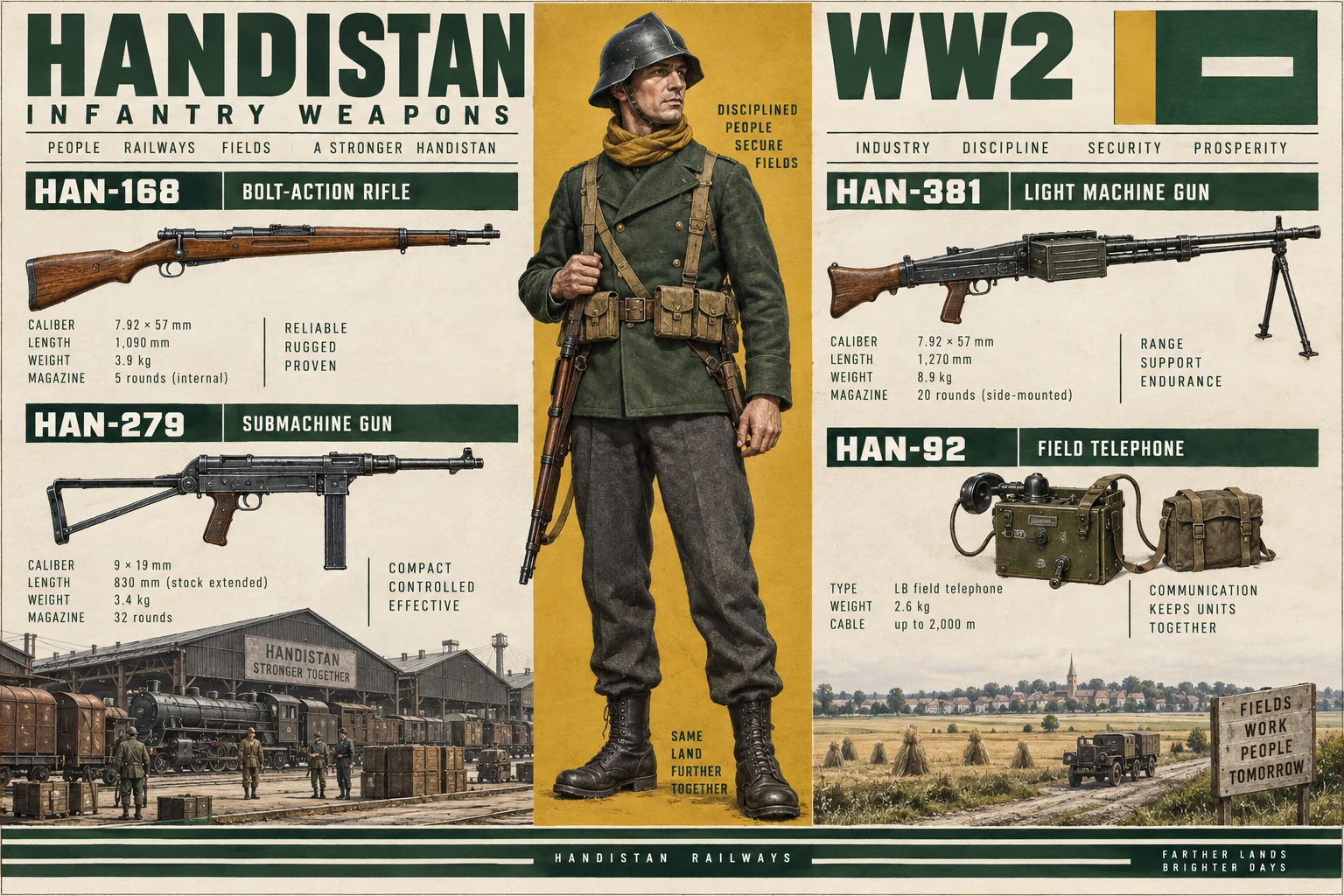
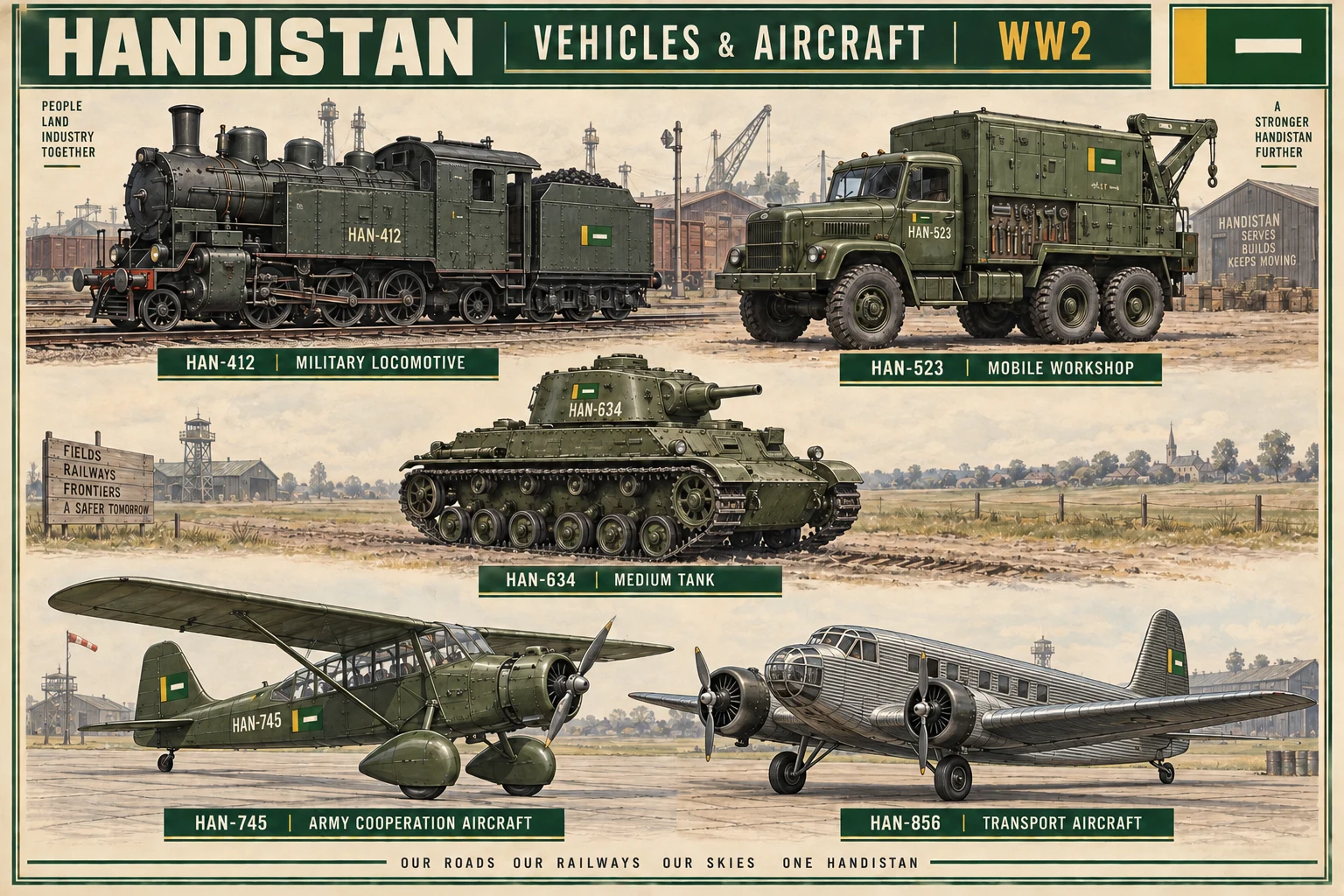
Serk led the resident Hukular 1st Gaften Expeditionary Corps. General Soren Kast's national authority and General Raden Thesk's overseas coordination supported the operation without supplying a second version of the corps from another theater. Major General Hamir Qel's Allied local liaison helped the Handistani partner response. The expedition's vehicles, workshops and stores remained within its actual sea-fed regional system, reaching agreed Ruuyaq and Azmar reception before movement into existing Axis-controlled approaches and lodgments.
There was no direct Ruuyaq–Handistan border to replace that system with a convenient land column from Volara. Defined regional access and contested onward movement remained necessary. Neutral Amarin did not become a route simply because the pass was difficult. Serk's local concentration had to work with arrivals and repairs actually available in Gaften. A successful climb could not erase a delayed sea load behind the force, and Thesk could coordinate requirements without personally leading every distant assault.
Pack paths and the heavy road received separate assessments. Light troops could move onto a flank before guns and loaded vehicles could reach the bend below it. Their ammunition need meant they could not remain effective indefinitely as an independent upper party. The plan reserved support for holding a gain and established collection behind a sheltered approach. Adding another infantry detachment to the climb would increase the need for carrying, water and treatment as well as pressure on the defender.
Handistani troops protected the cross-gallery and moved ammunition through it while the lower route remained contested. The arrangement let them shift effort between road and heights. Serk's engineers cleared the main approach under cover while light infantry worked up the flank paths toward the exit. If those movements remained separate, defenders could meet one and then reinforce against the other. Their eventual connection at the pass exit denied that alternation and made the hidden distribution less able to preserve the valley position.
Hukular seized the gallery junction and outer road. The defending positions no longer operated through the same protected connection, and their remaining forces had to reorganize under more difficult supply conditions. Serk retained a viable sea-fed chain behind his gain. He could therefore use it for sustained pressure rather than occupy the exit briefly with parties already consuming the last of what they carried. The victory divided the local defense while allowing the expedition to keep its own supporting arrangement connected.
The gradient imposed limits afterward. Dismantled weapons and animals took time to move, and loaded vehicles needed regulated intervals with a dependable return journey. More artillery could reduce what else was brought forward in the same period. Serk's staff had to choose the next useful concentration rather than attempt to satisfy every demand through the narrow road at once. Capturing the flanks improved safety for that movement; it did not enlarge the physical route merely because the army now commanded it.
An invented fictional illustration gives Serk the words: “Hold the meeting point until the slowest useful load has joined the men who won it.” This is authored language, not an extracted order. It concerns the task after infantry success. The source offers no exact local casualty figure, and none is fabricated here. Injured men, exhausted carriers and servicing requirements reduced what the corps could immediately provide for another climb even while the new junction made a larger future effort more practical.
Civilian workers knew hazards and had preserved parts of the service through the defense's withdrawal. Some knowledge helped move tools or injured people away. Such assistance did not give the occupying force general permission to take household transport or commandeer all local work. Requisition parties directed the installation toward military needs and restricted ordinary access. Residents retained accounts of what had been moved or removed, preserving a basis for later restoration distinct from Hukular's assessment of the junction's usefulness.
The defenders' alternate routes and agricultural supplies did not vanish with the gallery loss. They now had to be combined differently, at greater carrying cost before the same troops could be supported. Qel's partner liaison concerned that local response rather than a promise to restore the original route immediately. Serk's guards likewise remained necessary at the junction while his engineers maintained it. Both commands' next choices were shaped by the narrower relationship between what their formations needed and what could be carried safely to them.
At Meren, the hidden cross-gallery had prolonged the defense until the attack joined the road and flank at its exit. Its fall made the surviving positions separate commitments instead of one sustained valley arrangement. The first heavier stores reaching Serk's troops measured the new possibility. Their passage remained slow, regulated and dependent on the expedition's sea-fed support, a useful operational gain kept real through continued labor rather than an assumed unlimited road beyond the captured rock.
Forces & losses
No verified engagement-level strength figures have been authored for this record.
No verified engagement-level casualty figures have been authored for this record.
Voices from the campaign
The authored in-universe quotations are identified within the narrative above.
Participants and command
Hukular, Handistan, Ruuyaq Axis partners
Soren Kast, Hadin Serk, Raden Thesk, Hamir Qel