Kelonese Empire
Kelonese Empire is a nation of Grand Isles. Its eventual alignment in the Second World War was axis.
Wartime government
Kaisora was the wartime capital. Emperor Kaien III, reigning 1204–1235; Grand Minister Renso Arai heads the civilian wartime council. Admiral Taren Seko retains his established naval role.
Government in 1580
The government in 1580 was a constitutional imperial monarchy.
Territory and monarchy. The Kelonese Empire is a constitutional imperial monarchy in the Grand Isles, with Emperor Kaivaro VI as the roster's current head of state. The term "Empire" reflects a historic naval crown and a union of island territories, not a standing power to annex other states at will. Its Charter of the Isles binds the Emperor, Cabinet, Imperial Assembly, admirals, and island administrations. The Charter was strengthened after military catastrophes and explicitly denies the Navy power to initiate an undeclared war.
Dynastic succession and the imperial office. Succession follows the eldest eligible child of the reigning dynasty. A twelve-member Imperial Succession Chamber composed equally of dynasts, judicial officers, and elected island delegates verifies the register and declares a Regent for minority or incapacity. The Emperor accredits ambassadors, promulgates legislation, appoints the Prime Minister chosen by the Assembly, and is ceremonial First Admiral. The Emperor may send a bill back once with a written explanation but cannot command a fleet sortie. Orders for the armed forces need a Prime Minister's and Defense Minister's countersignatures, with emergency exceptions restricted to immediate protection of the Emperor's person and palace grounds.
Cabinet and parliamentary responsibility. The 220-seat Commons of the Isles elects a Prime Minister by majority after each four-year general election. A 48-seat Council of Harbors contains six elected representatives from each of eight imperial administrative island divisions, serving six-year staggered terms. The Commons controls confidence and finance. The Harbors Council must consent to customs schedules, inter-island shipping law, and major naval port leases; on ordinary bills it has a suspensive sixty-day veto. A Prime Minister losing a constructive no-confidence ballot is replaced by the Commons' named candidate. The Emperor commissions the winner without personal selection.
Election law and island parity. Commons districts are apportioned by population after each census, but every administrative division receives at least three seats. Isolated islands use guarded absentee and shipboard voting with chain-of-custody logs; an election can be challenged in the Admiralty Electoral Court when a vessel's ballot bag disappears. An independent Elections Maritime Office publishes turnout and shipping deadlines in each inhabited archipelago. Parties may contest the Emperor's policies, but a candidate cannot buy charter rights from a naval base or permit armed crews to patrol a polling place. The system balances densely populated main-island districts with a Harbor Council that gives smaller islands a voice on the sea lanes keeping them alive.
Imperial divisions, municipalities, and indigenous rights. Each of eight island divisions elects a local assembly and chooses a Commissioner who coordinates health, school transport, coastal warning, and fisheries. The national Cabinet appoints a Port Warden to enforce customs and international shipping law; the Warden cannot veto a local fishing ordinance without a statutory reason. Municipalities elect councils and harbor boards. Indigenous Grand Isles communities hold recognized communal shoreline and cultural-site claims under the Charter. Any compulsory acquisition for a naval installation requires compensation, public purpose, and judicial review; an old imperial title alone is insufficient to erase a village's claim.
Courts and admiralty jurisdiction. The Charter Court has nine justices appointed from a legal commission slate with two-thirds confirmation in the Harbors Council, each for one fifteen-year term. Ordinary courts hear crime, land, family, and commercial disputes. Admiralty Courts decide salvage, collisions, maritime insurance, vessel registration, and unlawful sea seizure. Naval officers are tried in military courts for service offenses but ordinary criminal courts have jurisdiction over crimes against civilians. The Crown Advocate is independent in prosecution decisions and must publish an annual account of maritime interdictions, anonymizing only genuinely sensitive operational details.
Law, taxes, and maritime commerce. A bill passes the Commons, passes or clears the Council's permitted delay, receives countersignature by the Prime Minister, and is promulgated by the Emperor. The Commons alone originates spending. National revenues come from income and consumption tax, port dues, fishery licenses, and limited maritime customs; local divisions retain approved land and harbor fees. The Accounts Inspectorate audits shipbuilding and relief contracts. An appropriation for a naval ship names its program and ceiling; the Navy cannot divert a civilian hurricane fund into weapons without a fresh legislative vote. If a budget stalls, ports, clinics, and rescue services continue at the previous rate for ninety days.
Rights and the colonial record. The Charter protects speech, worship, due process, political parties, movement among islands, and equality before ordinary courts. Minority languages may be used in division administrative proceedings. The state maintains a National Memory Commission with subpoena power over historic deportation and forced-labor archives; its findings do not themselves convict living individuals. A private person cannot be detained as a presumed foreign agent merely for origin in Garabech or any other former colonial community. The old crown's colonial structures are part of institutional history, and the present constitutional order formally bars a return to forced labor.
Navy, war power, and civilian command. The Prime Minister directs policy through Defense; a Naval Chief commands fleets subject to the Joint Staff. A fleet commander can defend ships immediately but must report a serious engagement to the civilian government. The Cabinet can authorize a defensive deployment for thirty days; offensive war, blockade of another state's ports, or deployment beyond ninety days requires Commons approval and Harbors Council concurrence. Intelligence activities against domestic opposition require court warrants. The Navy's legal duty is to report losses and readiness honestly; secret plans cannot hide a decision to start a war from the authorized Cabinet committee.
Disasters, removal, and fault lines. A cyclone declaration lasts twenty days without parliamentary approval and permits temporary evacuation and vessel requisition with compensation. Courts remain open by mobile sitting if a courthouse is destroyed. Impeachment of a minister begins in the Commons and is tried in the Charter Court; the Emperor can be declared incapable by five Succession Chamber members and a seven-judge Charter Court decision, activating the Regent rather than abolishing the Crown. The state must continuously manage a strong naval tradition against the Charter's insistence that civilian institutions choose wars. Its dispersed islands can lose communications rapidly, making the legal line between defensive local initiative and unauthorized escalation particularly important.
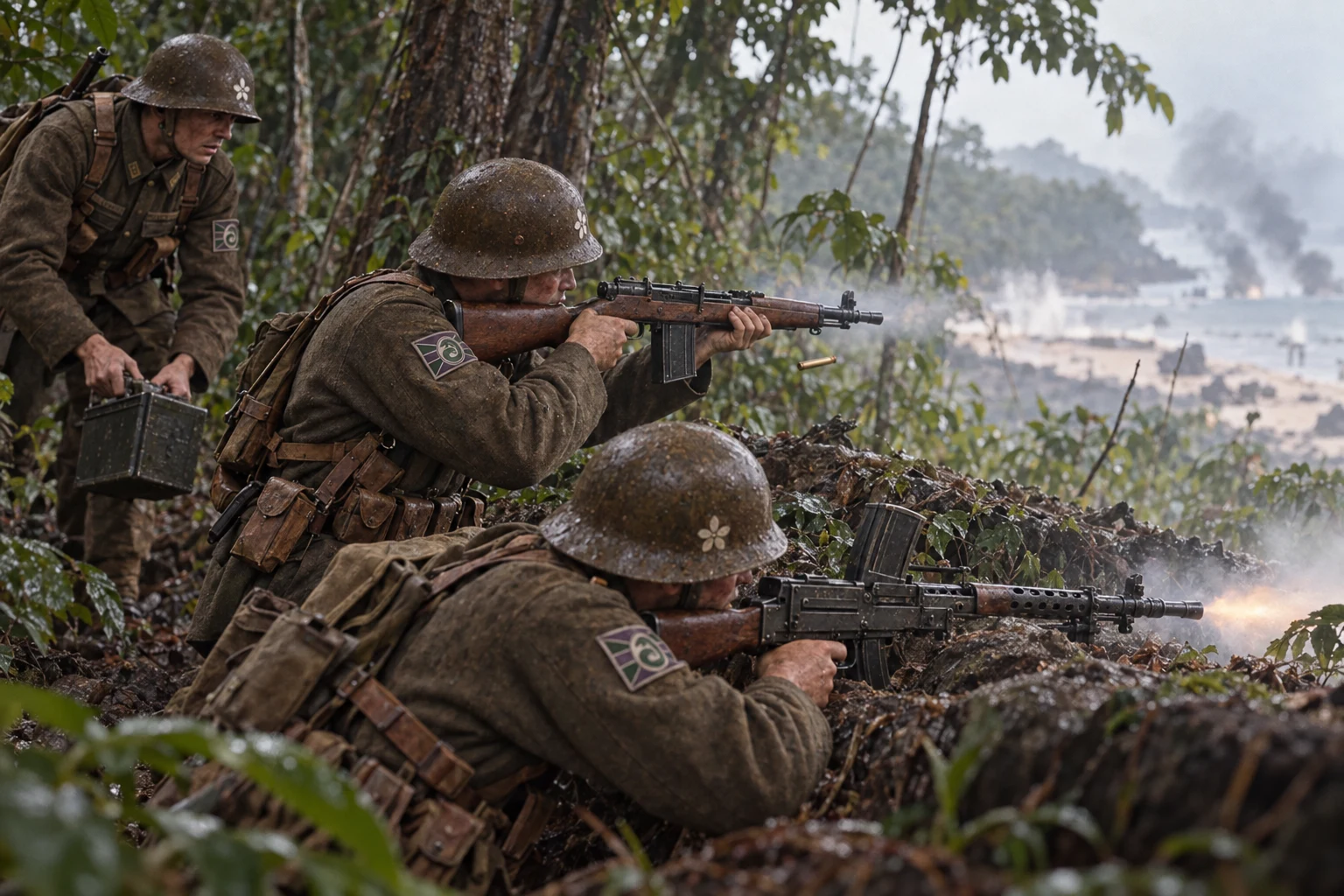
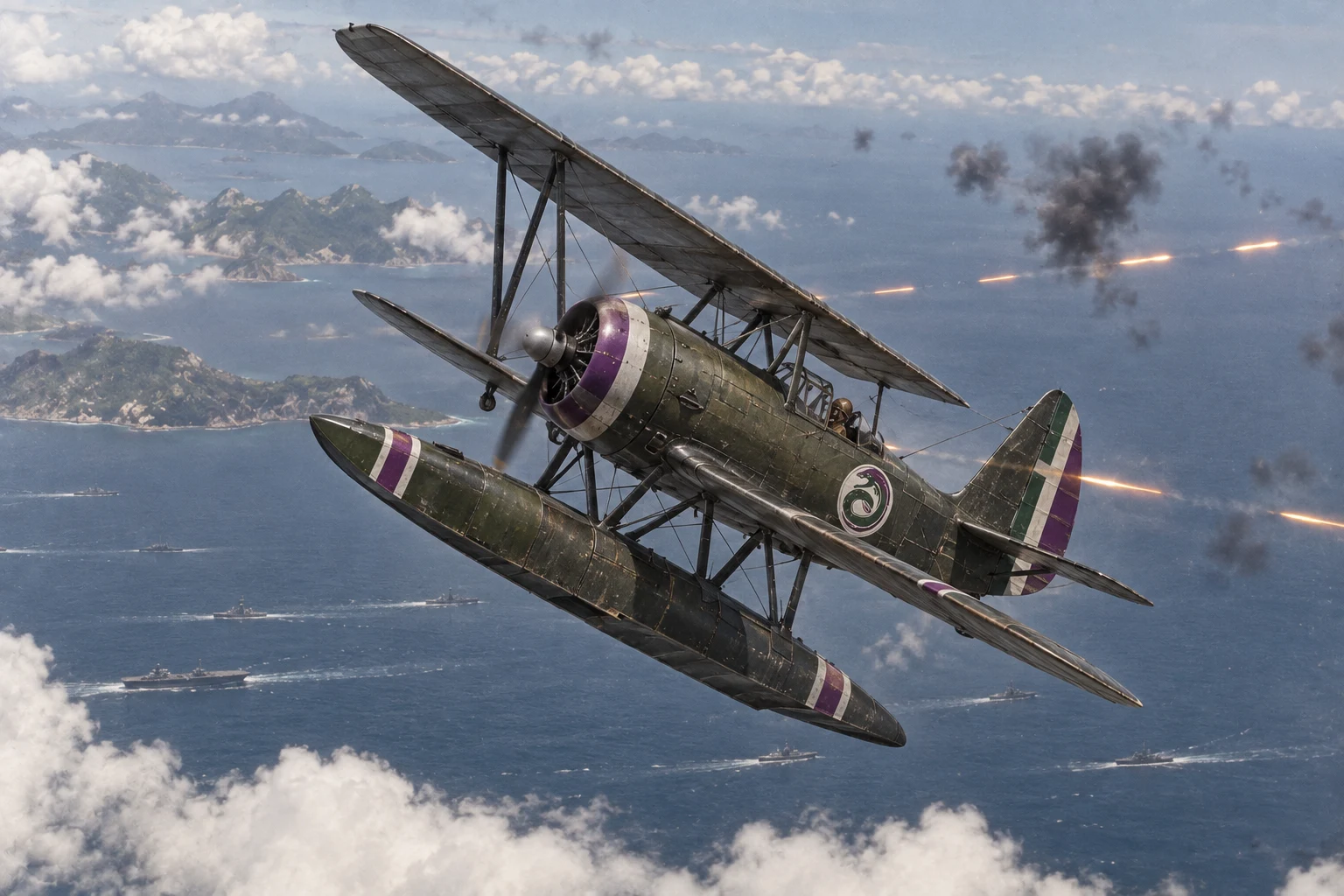
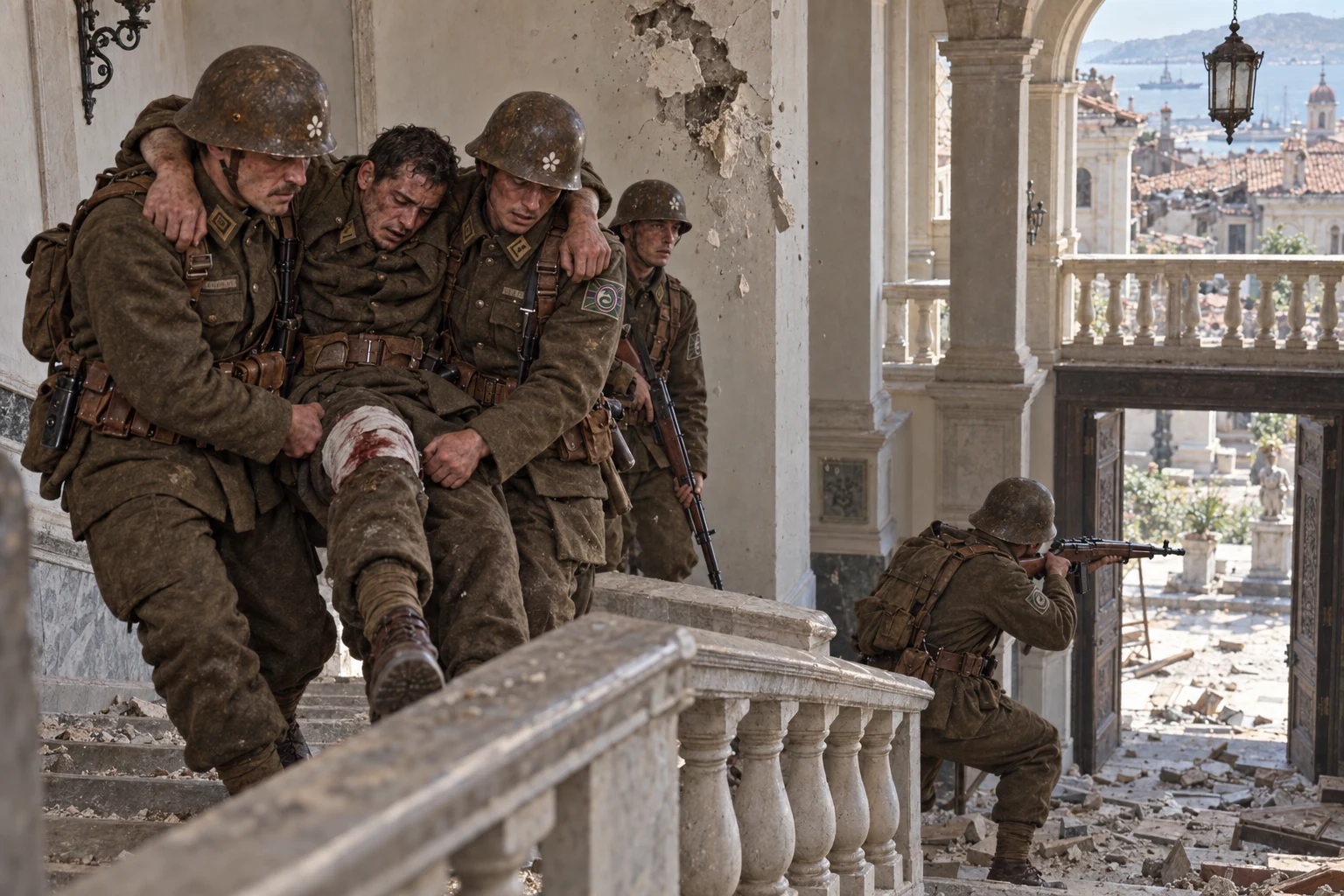
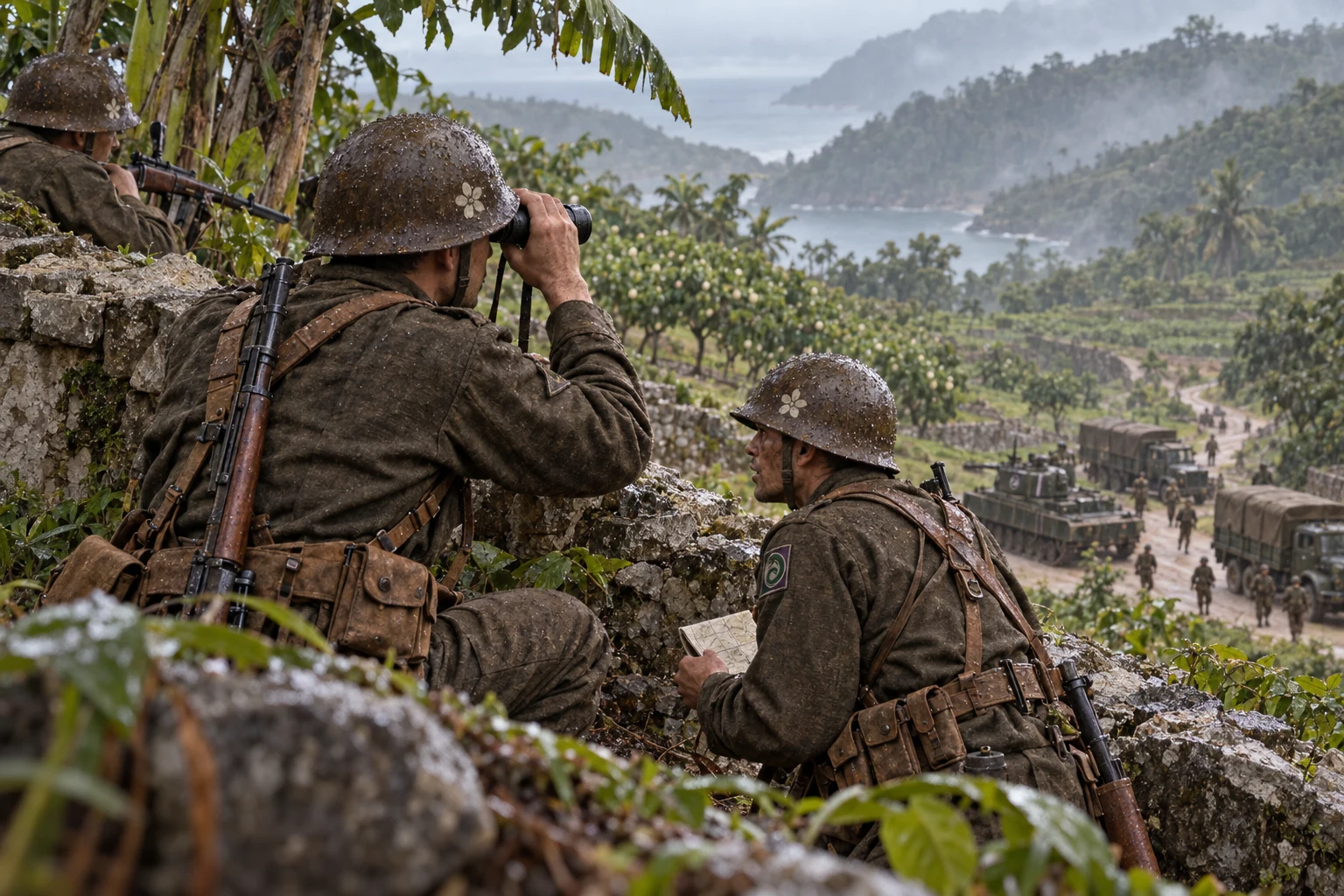
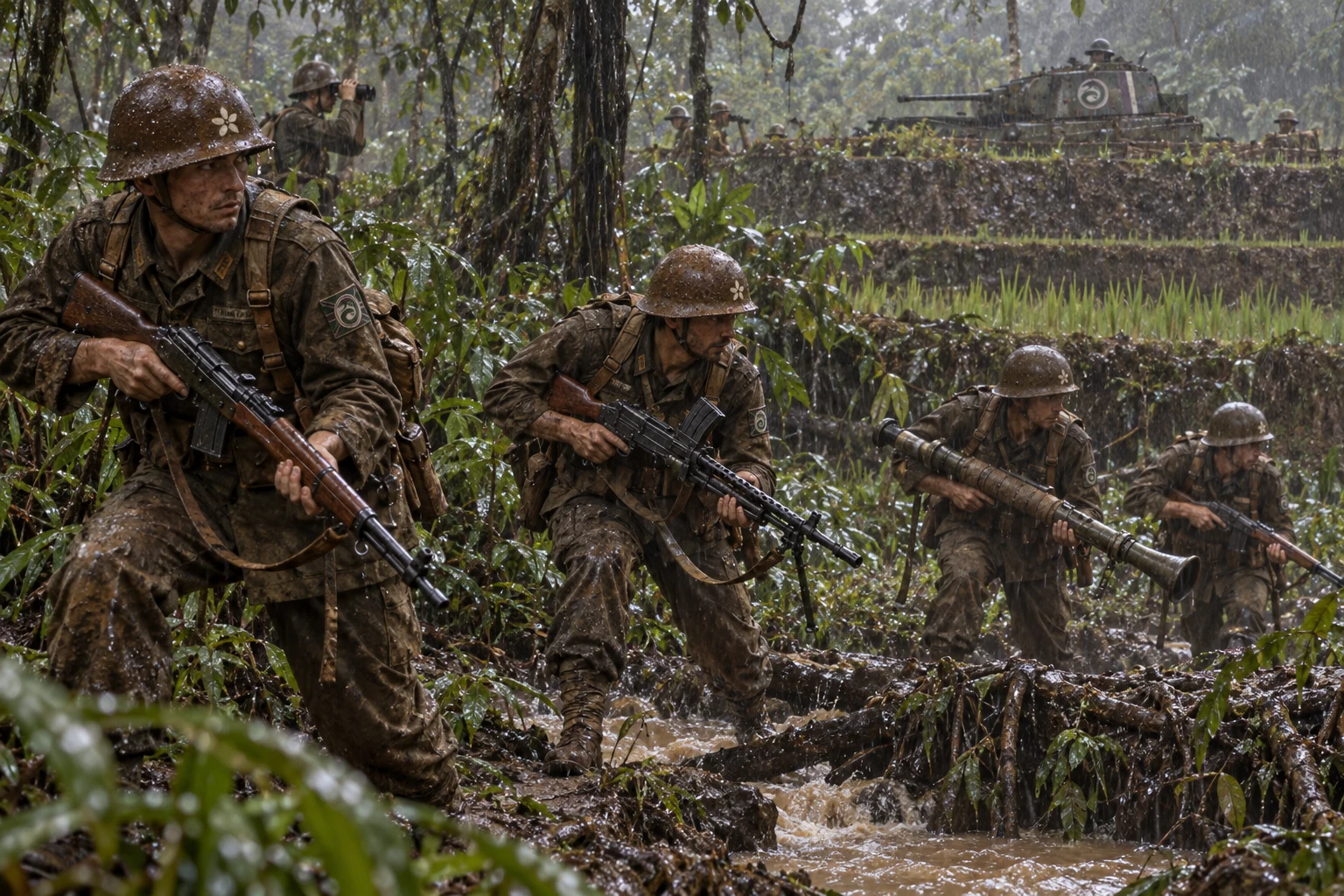
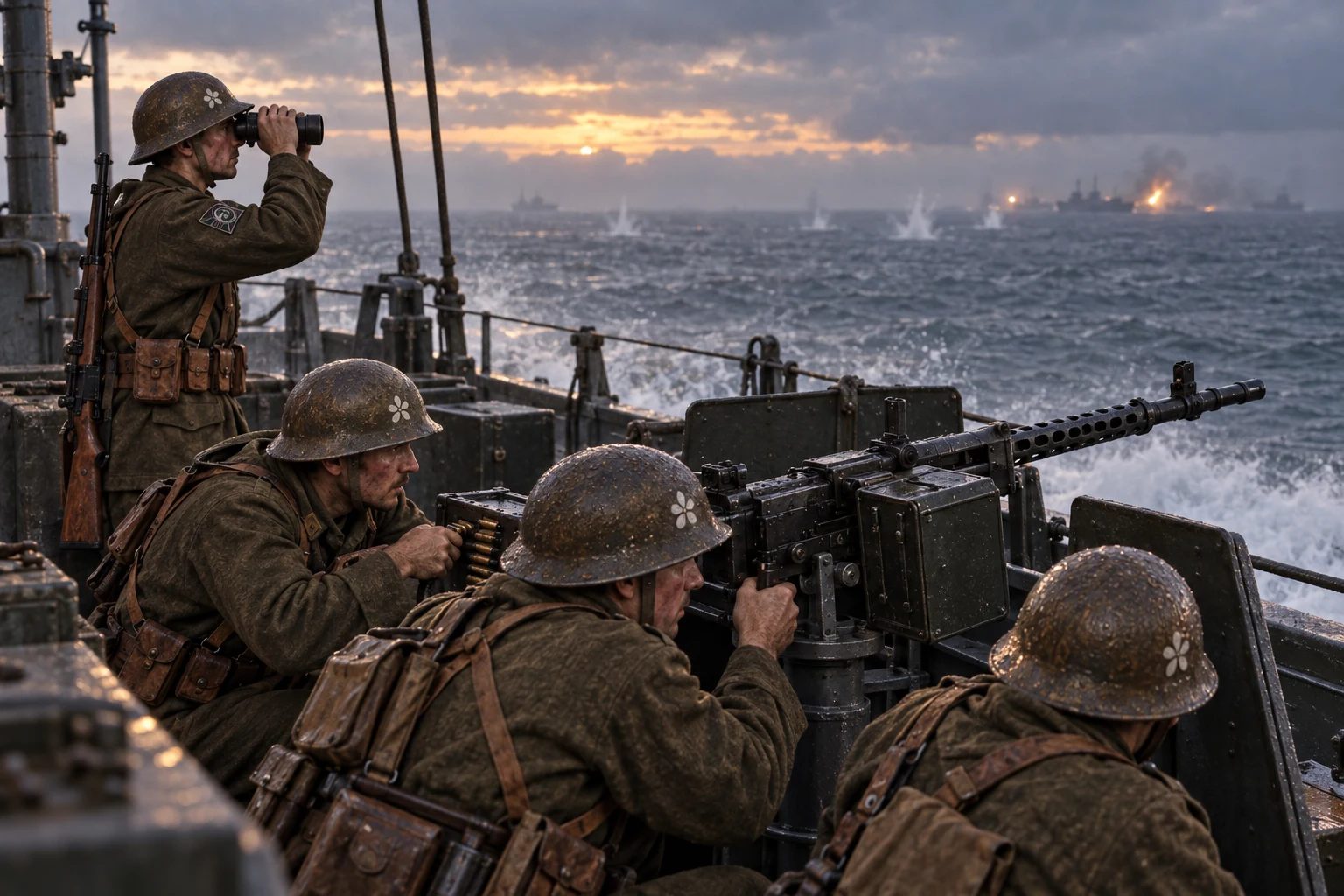
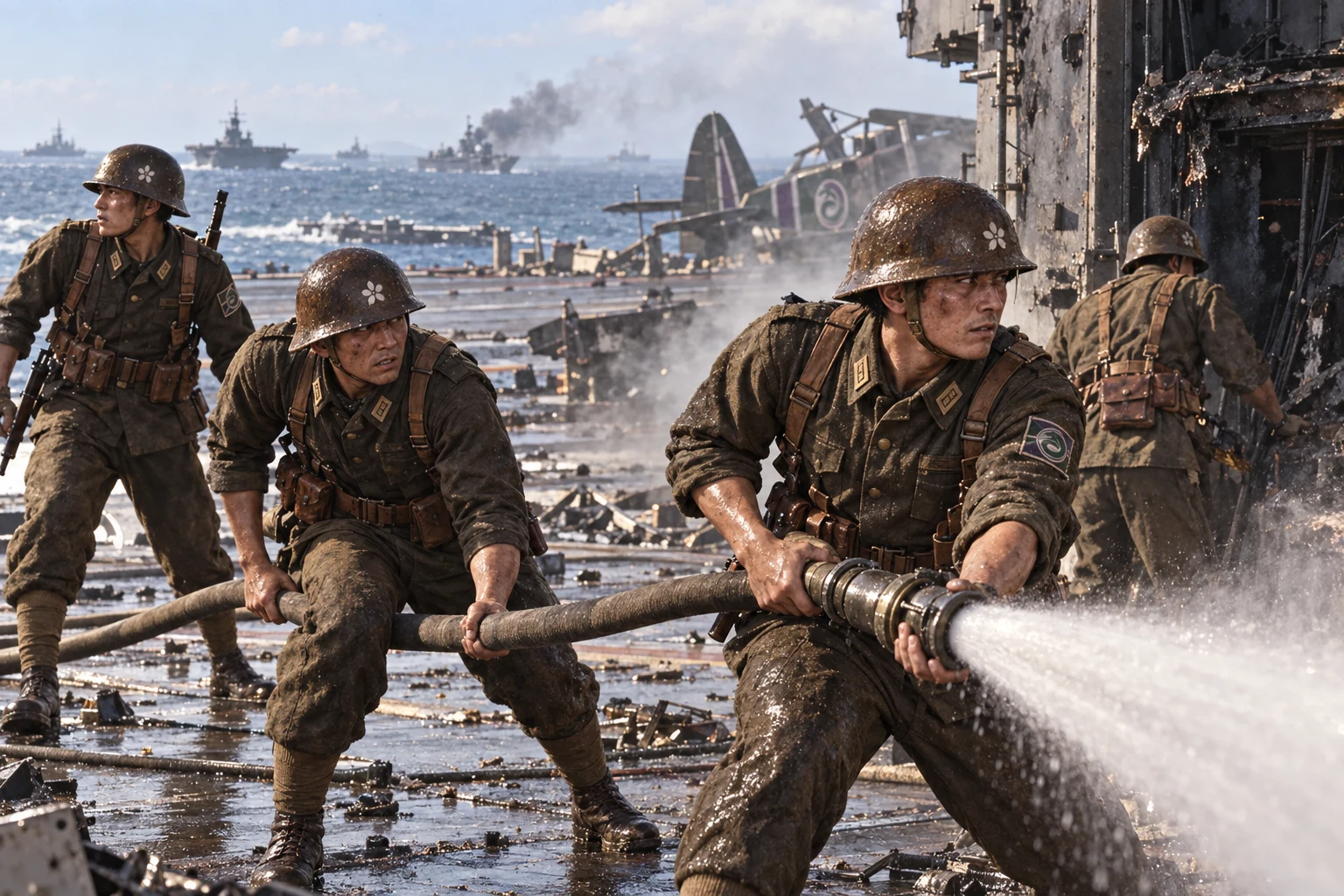
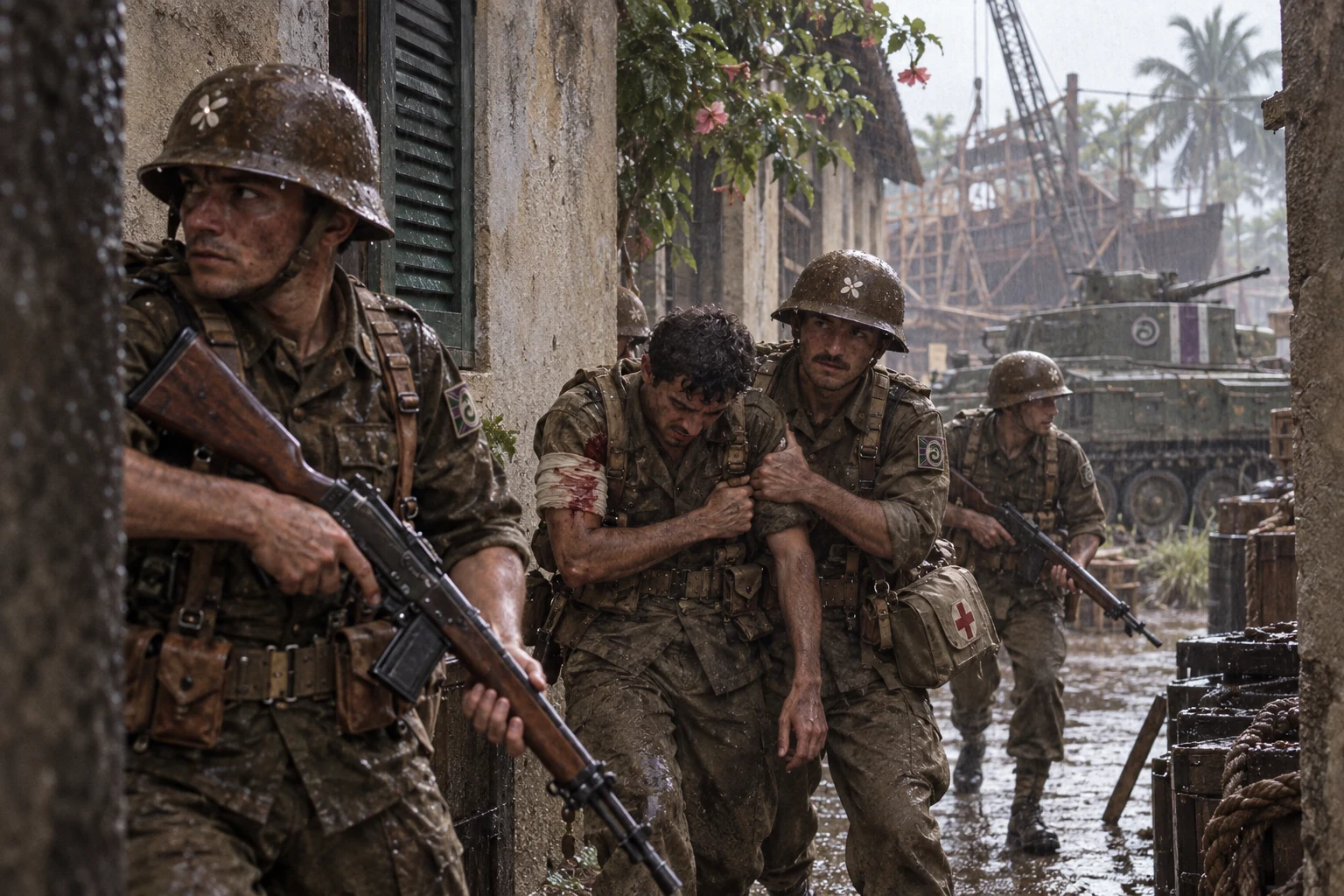
Original illustrations for this source record
Original archive artwork and captions are preserved. Dates, labels and claims printed within inherited images belong to the previous edition; the revised text governs the current history.