February 18: a genuine rupture and an unfulfilled promise
Marshal Ilyan Rauk opened his northern offensive on February 18, 1215, intending to convert accumulated Hukular gains into a decisive result against the Allied system protecting Havera's approaches. The first rupture was genuine. Hukular fire disrupted communications and damaged exposed works; some Allied positions sheltered troops effectively while others suffered serious losses before the attacking infantry arrived. The source therefore gives no warrant for an account in which the offensive failed because its opening success was imaginary. Its problem was the relationship between a breach and what had to follow. Rauk needed reserves to cross opened ground quickly enough to prevent the defenders reconstructing a connected defense.
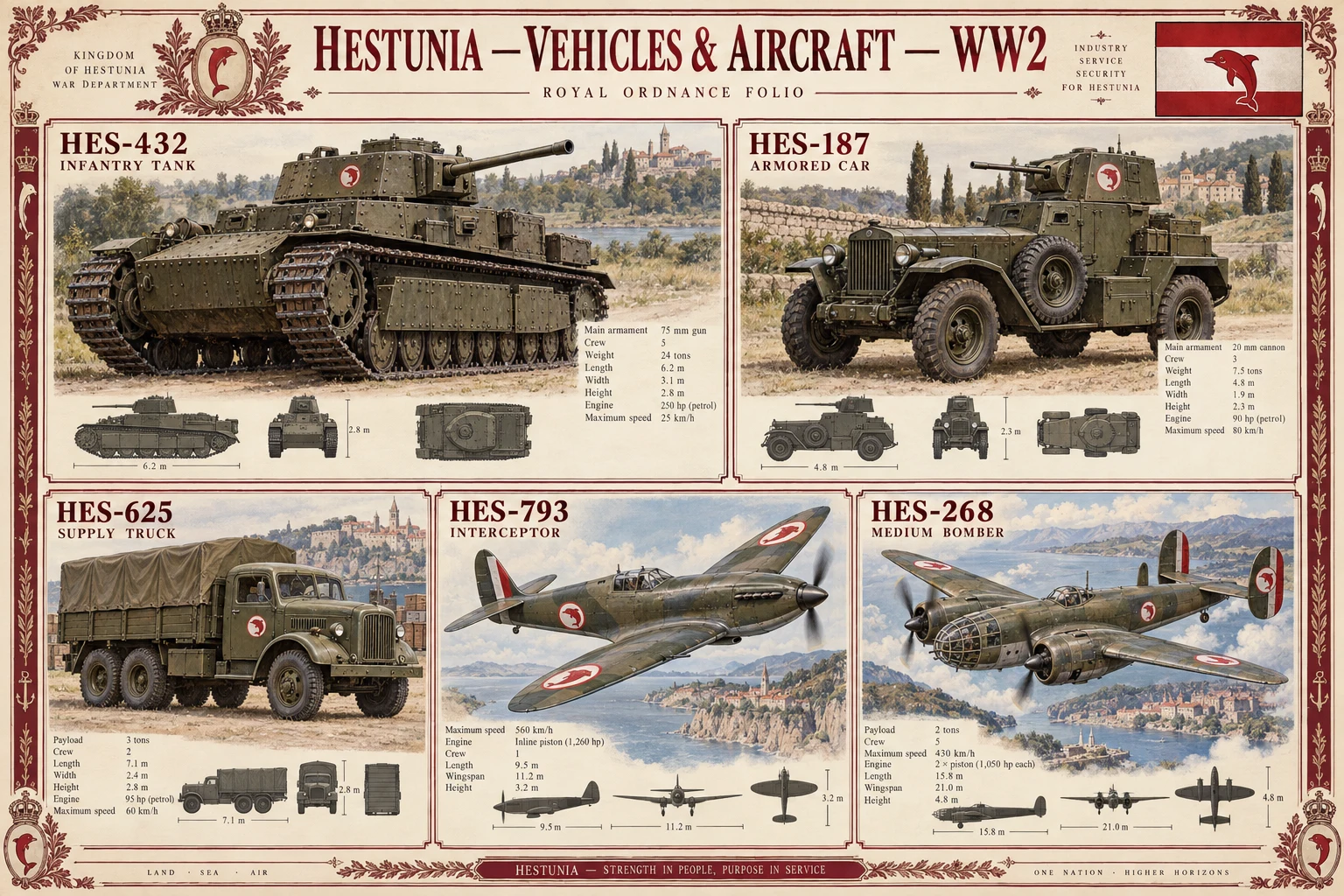
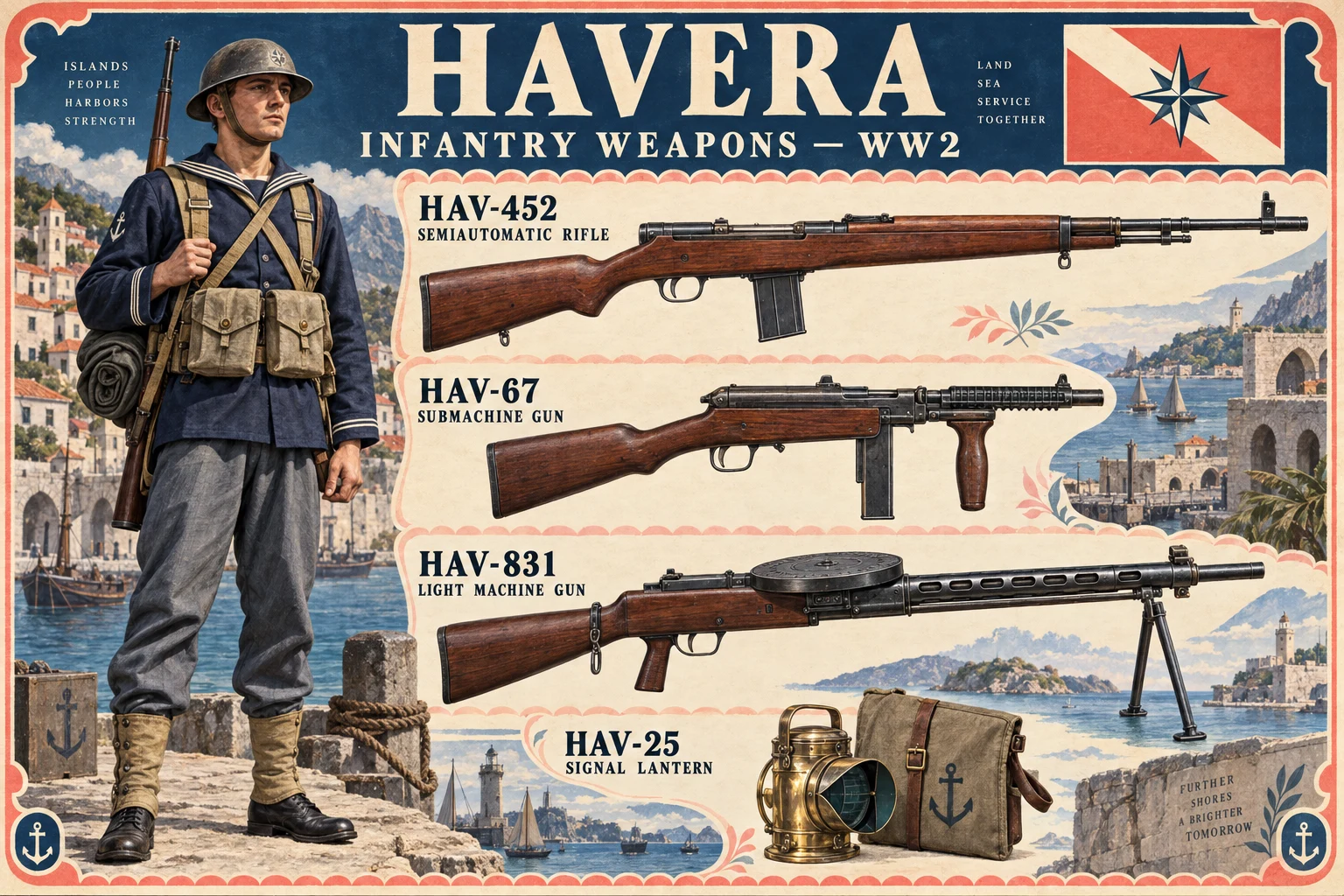
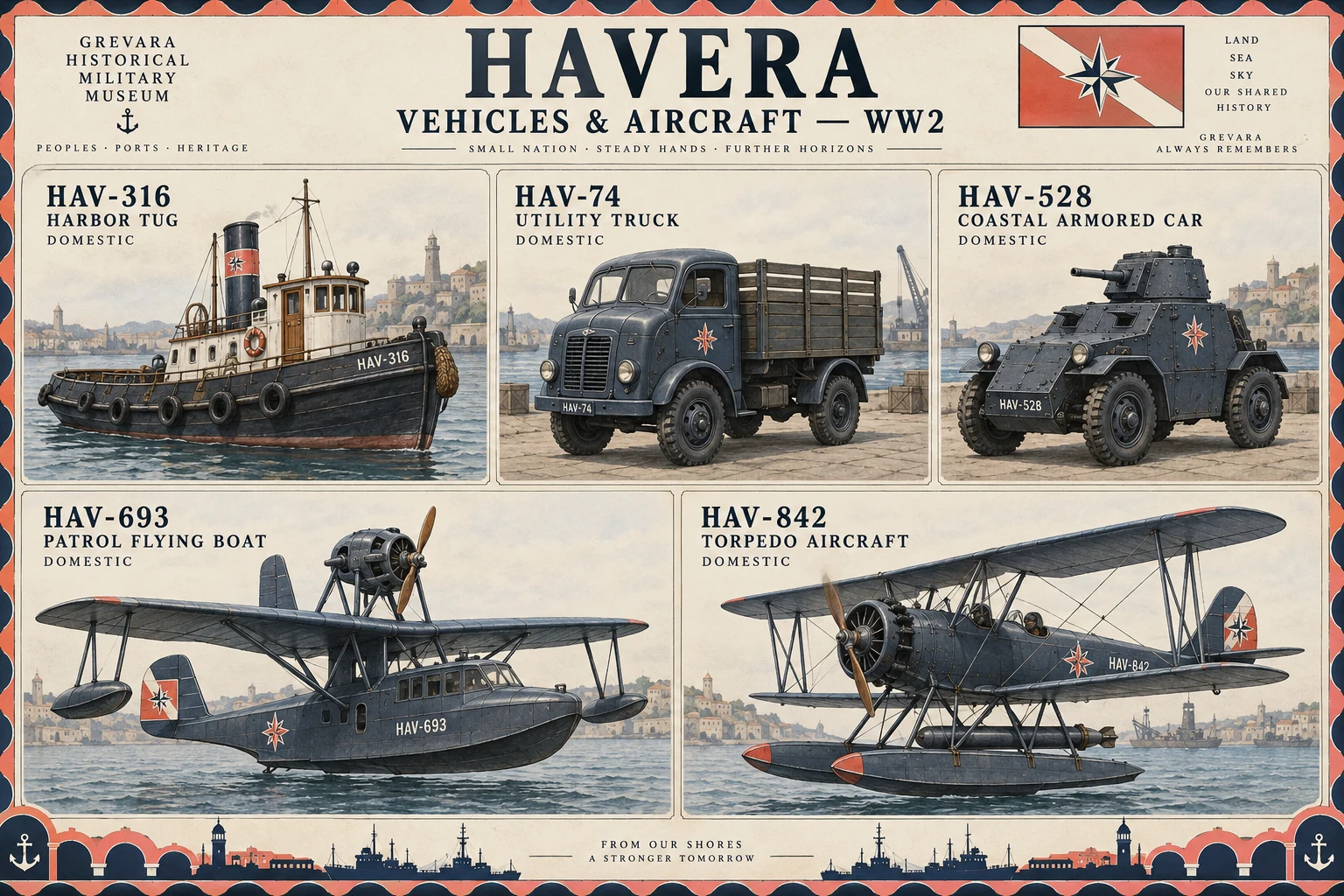
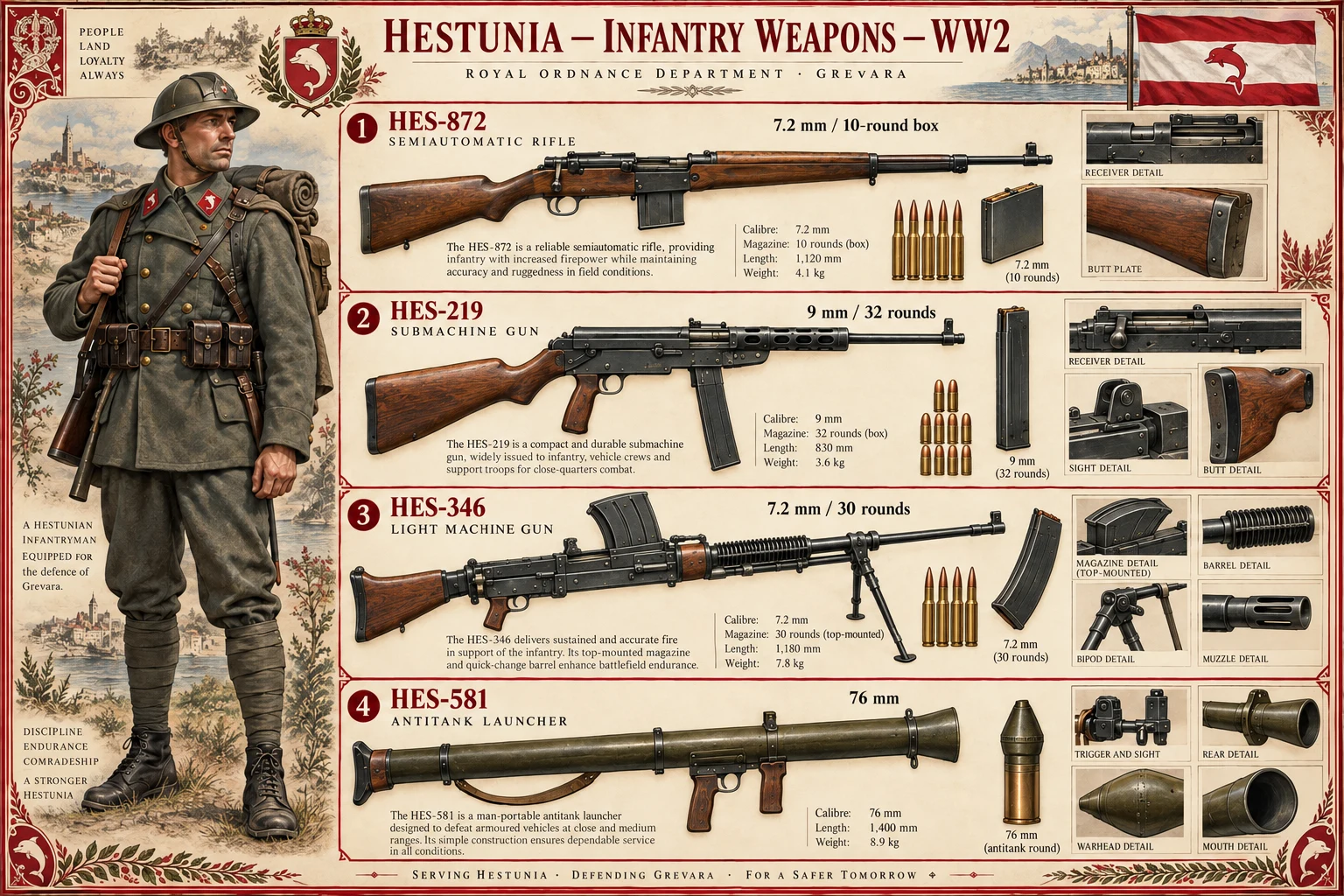
Havera's General Elsen Rove commanded a mixed grouping in the Keral approach sector, supported by Pavren and Hestunian commitments in the wider front. The source does not provide a complete order of battle or identify a numbered army for every supporting formation. Their coalition roles should remain at the stated level. Rove expected a serious assault but underestimated how quickly forward positions would become hard to hold. Allied warnings did not reveal every threatened district, and reinforcement meant reducing support elsewhere or committing troops whose rest had already been delayed. The defenders were making constrained choices before the offensive disrupted the means by which those choices could be executed.
Rauk's expectation of decision shaped how local gains were interpreted. A successful advance seemed evidence that the broader design was working, although the new ground had not yet become a usable route for concentrated exploitation. The political scale of the offensive increased the cost of admitting that distinction. Yet it is essential to understanding Hukular's operational competence: an army could break prepared positions and retain the initiative while failing to produce the larger collapse its command had promised. The essay follows that gap through transport, reserve use and the reconstruction of Allied coordination. It does not replace it with invented force totals, casualty ratios or a single decisive mistake absent from the source.
The geography is an approach system on the northern Volaran front, not an assault that immediately captured Havera's whole national territory. Keral's sector and the viaduct district are retained narrative locations within that front, without additional coordinates or boundaries supplied here. Protecting an approach meant preserving movement, reserve destinations and continuity behind damaged positions. Rove could lose particular ground and still retain that system; Rauk could gain ground without destroying it. These contrasting possibilities explain the battle's eventual result more precisely than treating every movement of the line as an equal measure of strategic success. They also leave visible the civilian districts damaged during an Allied survival sometimes summarized too comfortably as holding.
February 18–March 7: congestion after success
Rove withdrew from several forward positions toward a more compact arrangement. Retreating soldiers supplied contradictory impressions of Hukular strength because they had experienced different parts of the assault. One battalion faced the main pressure; a neighboring unit withdrew on orders after relatively little fighting. Headquarters compared their accounts with the actual condition of arriving formations instead of averaging them into a reassuring estimate. That practice recognized the limits of eyewitness experience without dismissing it. Reports were evidence of particular encounters, not automatically a reliable picture of the entire front. The defensive contraction bought an opportunity to assemble that picture while exposing more ground to the invader.
Hukular exploitation formations encountered artillery, wounded men, prisoners and supply columns already occupying the ground opened by the first attacks. Each movement had its own military urgency. Officers claimed priority under higher orders, but several commands' simultaneous priorities could not widen a route. The resulting bottlenecks delayed the concentration Rauk needed. Congestion did not halt the advance outright, making it easy to underestimate its consequence in reports centered on progress. Time was the missing element: a reserve arriving later could still strengthen a subsequent attack while losing the chance to strike a defense before it had reorganized. Movement capacity, rather than mere possession of fresh soldiers, determined how much of the opening rupture could be exploited.
The viaduct district at Keral protected movement behind the defense. Its stone structure had been damaged and no longer possessed the uncomplicated transport usefulness shown on older plans. Rove nevertheless committed a reserve because the surrounding ground allowed retreating formations to reorganize before moving onward. A building or bridge could retain significance through an adjacent function even after its original use had deteriorated. This episode differs from defending a ruin solely for its name. The source identifies what Rove wished to preserve: the possibility of another orderly movement. Losing that possibility would have made the next contraction harder, regardless of whether ordinary traffic could cross the damaged structure.
The battle thus created contrasting demands on reserves. Rauk needed troops to convert a breach into rapid forward decision; Rove used scarce troops to maintain the conditions for controlled retreat and renewed defense. These were active choices on both sides, rather than an aggressor plan encountering passive endurance. Their effects were also cumulative. Every delay gave the defenders more opportunity to assemble a shorter line, while every defending loss made the next line more difficult to sustain. The original does not identify the precise moment when the balance became irreversible. It describes a sequence in which effective Hukular attacks increasingly encountered an opponent whose organization was improving despite exhaustion and lost ground.
March 8–24: the reserve is spent before exploitation
By March 8, fighting had narrowed into concentrated struggles along the approaches. Allied formations had retreated, recovered some coordination and become less dispersed than at the opening. Artillery and infantry support grew more consistent as the front shortened and damaged communications were replaced. These improvements did not erase fatigue or make every position sound. They altered the context in which Hukular attacked: tired troops could now receive support more reliably, and local losses were less likely to dissolve the entire defensive system. The causal importance of the shorter front lay in the concentration of available means, rather than in a claim that withdrawal had somehow restored everything the defenders had lost.
A roadside hospital complex illustrates how quickly a place's function could change. Patients had been evacuated before the main fighting, but medical markings remained on damaged walls while troops occupied adjoining structures. The buildings offered shelter and retained misleading associations of safety. Allied officers ordered the changed circumstances reported through their own commands; the information spread slowly. This passage is a consequence of damaged communication and altered use, not evidence for an additional atrocity allegation invented here. It preserves the care needed when describing medical sites: the original establishes evacuation, occupation of adjoining structures and reporting delay, while leaving many legal and tactical details unspecified.
Rauk demanded continued pressure. Subordinates reported that fresh troops could renew attacks, while the services moving and supplying them warned that capacity was diminishing. The crucial development was the consumption of the reserve intended for exploitation in the work of obtaining another local gain. Each attack could remain coherent when considered alone: it addressed a position blocking progress and could promise a further improvement. Together the attacks used the means required to make success decisive. A reserve was therefore more than a personnel total. Its strategic function depended on being available at the right moment with routes and support sufficient to move beyond the immediate fight.
This distinction explains why merely naming the next attack purposeful does not establish that the offensive remained capable of reaching its original objective. Command had to consider the cumulative relation between expenditure and opportunity. The source records competing assessments within Hukular's own apparatus, demonstrating that limitations were visible to parts of the army rather than discovered only after the operation ended. It does not provide transcripts, exact reserve allocations or a complete sequence of staff decisions. This synthesis consequently describes the operational contradiction those assessments reveal without supplying an invented confrontation between Rauk and an unnamed quartermaster. There was evidence of diminishing capacity; continued local attacks did not remove that capacity problem.
Arlo's map: displaying the age of knowledge
Captain Venn Arlo, responsible for incoming reports at Rove's headquarters, questioned the apparent precision of a map covered in colored pins. A formation's last confirmed position could remain marked for hours after communication failed. The symbol then represented something headquarters had known rather than something it still knew. Arlo introduced an annotation recording the age of reports. This exposed uncertainty alongside possession and made the map look less reassuring. Its value was precisely that discomfort: Rove could distinguish positions needing verification from positions needing immediate reinforcement. The change did not increase the number of available troops, but could improve the situations to which those troops were assigned.
On March 16, an acknowledgment arrived for an order issued before the reporting battalion withdrew. Without its timestamp, it could have appeared current. Arlo compared it with a later medical evacuation report showing wounded men arriving from another direction. Rove postponed the planned reserve movement, confirmed the changed situation and redirected the reserve toward the position the retreating troops would actually need. The revised destination helped steady the viaduct district that evening. The chronology is necessary to the causal claim. Arlo did not predict a withdrawal from nothing; he compared two pieces of differently dated information and prevented an older document from overriding a newer indication of movement.
The original carefully limits his achievement. Several decisions and infantry resistance contributed to the result; the annotation did not win the entire battle. It prevented scarce soldiers being committed to an obsolete situation. That finding is enough to make the episode important without magnifying it into a universal solution. Even a map displaying age still depended on reports reaching headquarters, correct comparisons and an officer able to revise movement in time. The practice survived into Rove's later campaigns because it made a report's temporal limits part of its meaning. The source supplies continuity of the method, not a list of later victories attributable to Arlo.
Medical movement provided evidence that a purely positional account had missed. Wounded arriving from an unexpected direction revealed a change in the battalion's circumstances, connecting support activity to command knowledge. That connection should not turn patients into mere intelligence markers: their journey arose from injury and the urgent need for treatment. It does show why a functioning military picture required information beyond combat-unit acknowledgments. Rove's staff had to understand how the fighting affected evacuation and routes as well as who claimed to hold a particular place. Arlo's comparison therefore illustrates a broader administrative competence grounded in the recorded incident, while its exact contribution remains narrower than the battle's final result.
March 25–April 19: culmination and its command aftermath
The final phase brought narrower Hukular attacks and increasingly limited results. Allied units still lost ground, but retained the system protecting Havera from immediate defeat. Rove rotated exhausted companies when possible and accepted that some damaged forward positions did not justify another counterattack. The approach was uneven: other commanders continued trying to recover ground whose usefulness had largely disappeared. That unevenness keeps the defense from becoming an idealized example of flexibility. Rove's supported choices mattered within an organization still capable of waste and misjudgment. Survival emerged from repeated losses and recoveries, not from every local decision aligning neatly with a single enlightened plan.
Hukular soldiers experienced the offensive's changing character through longer waits, mixed batches of replacements and orders referring to advances no longer visible from their positions. Hospitals remained occupied by casualties from earlier phases. Repair establishments worked on equipment repeatedly described as temporarily unavailable, until its return became an assumption rather than a dependable schedule. The source records strain on the attacking army's capacity while leaving individual later service histories unspecified. These effects help explain culmination without suggesting that Hukular had lost its ability to fight. A force could continue conducting dangerous attacks after its means of securing the promised decisive result had diminished.
The offensive ended on April 19. Hukular had gained territory and inflicted substantial losses, but failed to break the Havera approaches. Rauk remained in office for months afterward: his removal and Soren Kast's succession occurred on October 1, 1215, rather than immediately at the battle's end. The commander registry identifies Rauk's later role as adviser, not continuing field commander. Kast inherited an army still capable of advancing and pursued a slower strategy demanding less from one offensive and more from opposing states' endurance. The relationship between this battle and that change is interpretive continuity; it should not collapse the intervening months or transfer Kast's command to the February opening.
For Havera's defenders, survival was a major result purchased with damaged districts, exhausted formations and painful retreat. The essay's emphasis on command information does not erase that cost. Its strongest causal conclusion joins several supported elements: the opening breach was real, Hukular concentration slowed, Allied coordination improved on a shorter front, and the attackers spent exploitation capacity on repeated local gains. The result exposed a limit in Rauk's attempt to force a quick northern conclusion. Reading the battle alongside the campaign synthesis and the 1215 annual allows the reader to separate battlefield culmination, subsequent national command change and the longer war that neither side had resolved in April.
The offensive's aftermath should also be separated from the personal histories of its supporting officers. The original gives Elsen Rove and Venn Arlo roles in this battle and records the later use of the report-age practice. It does not list their complete careers or justify attaching them to every subsequent Havera action. Rauk and Kast possess separate registry records, but those national roles likewise require battle-specific dating. These distinctions make recurrence meaningful: a reader can trace a method, a commander or a strategic change where evidence provides a connection, while resisting the assumption that the same familiar names were present everywhere. The Havera approaches remained vulnerable to further war after April. Survival preserved future choices rather than certifying that any later attack would necessarily meet the same defensive arrangement.