Zaganar
Zaganar is a nation of Volara. Its eventual alignment in the Second World War was axis.
Government in 1580
The government in 1580 was a communist empire.
State and imperial office. Zaganar is a Volaran communist empire headed by Imperial Chairman Viktor Zaren. The title "Imperial" describes a centralized union of territories under one planned state; it does not entail a hereditary throne. The Charter of Collective Production gives legal supremacy to the Workers' Unity Party and elects its Chairman through the Party Congress for an eight-year term renewable once. The Chairman presides over the State Directorate, appoints security and planning chiefs with Party Presidium approval, and commands the armed forces. Formal removal requires two-thirds of the Congress and confirmation by the Presidium; in practice, control of appointments and security files makes a sitting Chairman hard to challenge.
Assembly and planning organs. A 360-member Imperial Workers' Assembly is elected every five years from approved workplace and locality slates. It passes plans, enacts codes, and may question ministers, but cannot legalize a competing national party. The Twenty-Year Development Commission establishes industrial priorities, and the Five-Year Plan Office converts them into factory, transport, housing, and agricultural targets. A draft plan moves from ministries to regional production boards, then to the Assembly and Chairman. The Chairman can return targets for revision but cannot secretly rewrite a published plan without a registered emergency order. A separate State Comptroller compares actual output against claimed totals.
Territorial management and courts. Twelve production regions have appointed First Coordinators and elected workplace committees whose recommendations influence local schedules. Municipal service bureaus operate heat, housing, clinics, and food distribution, while Party secretaries control career promotions. Ordinary civil courts hear injury, family, and contract claims; a High State Tribunal hears administrative appeals. Political-security cases go to a Special Order Court with restricted disclosure and renewable judges. The Charter promises work, housing, and education, yet does not protect organizing an opposition party. A worker can appeal a lost ration entitlement more readily than a political detention.
Finance and military power. State enterprise receipts, resource exports, and assigned regional quotas support the budget. Money appropriations are matched to physical allocations of fuel, labor, and rolling stock; a project funded on paper but without materials cannot proceed. The Army Directorate answers to the Chairman through a civilian Defense Commissar, while Party inspectors monitor officers. The Assembly formally approves a war proclamation, but the Presidium can authorize an immediate thirty-day defense operation. An economic emergency reallocates materials for sixty days, with renewal by the Party Presidium rather than a free election.
Failure case. If one factory falsifies steel output, downstream rail and vehicle plans inherit the error. The Comptroller may demand warehouse and transport records and report to the Assembly, but the Party secretary implicated in the false report may also control witness assignments. Zaganar's characteristic institutional struggle is not the absence of plans; it is whether independent measurement can survive the incentives created by the central plan and political hierarchy.
- GARAMOND — THE SINGLE-PARTY COMMUNIST REPUBLIC
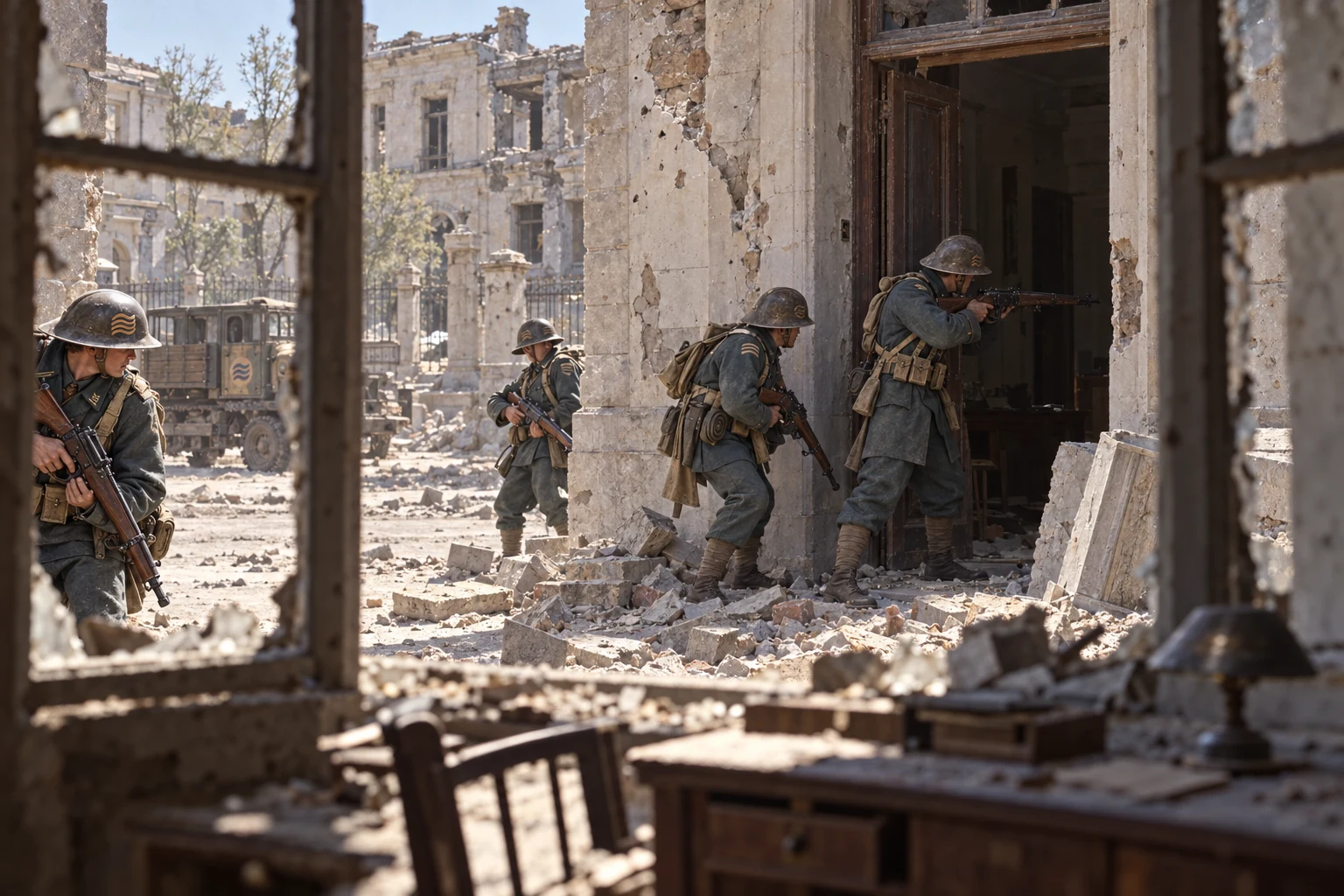
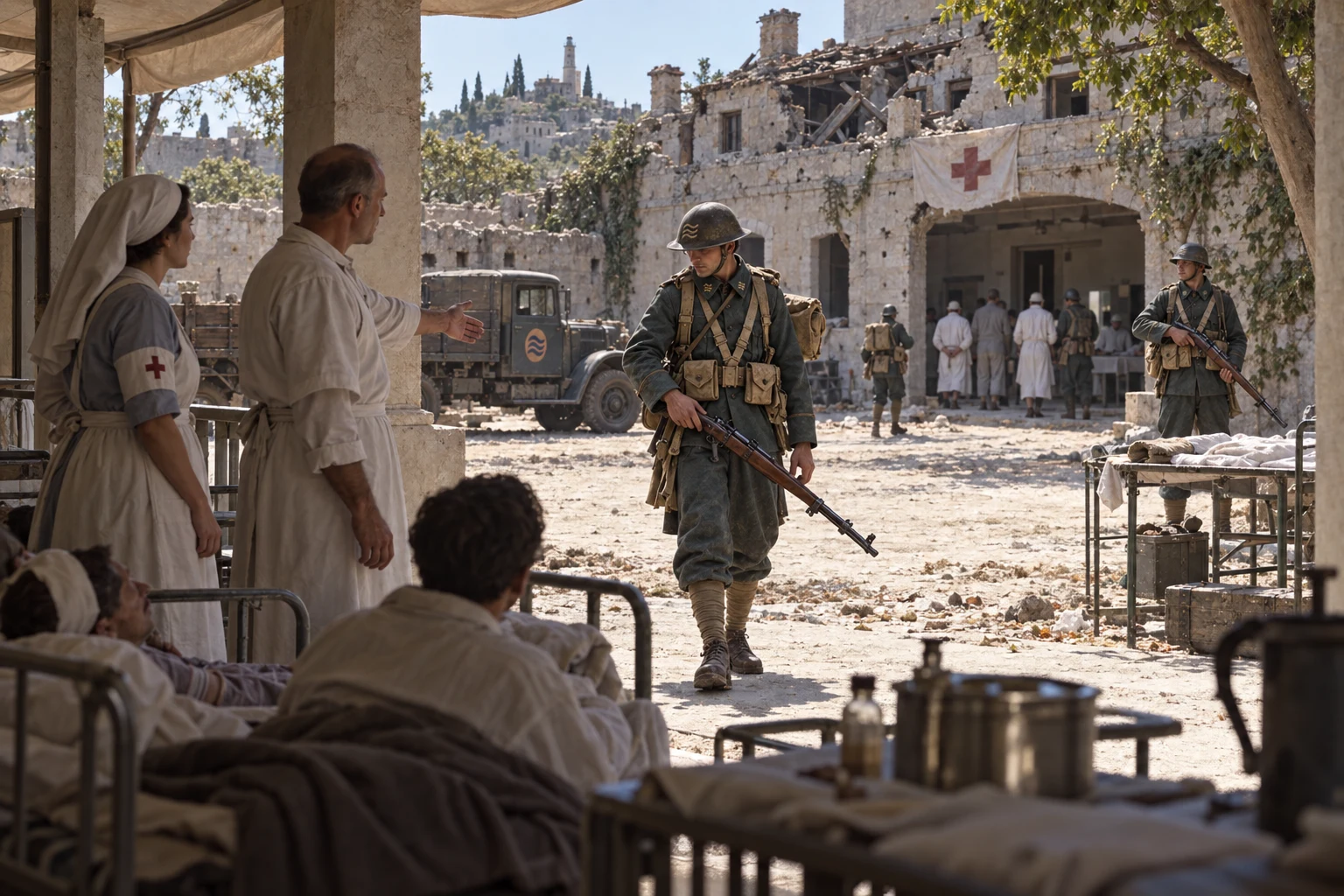
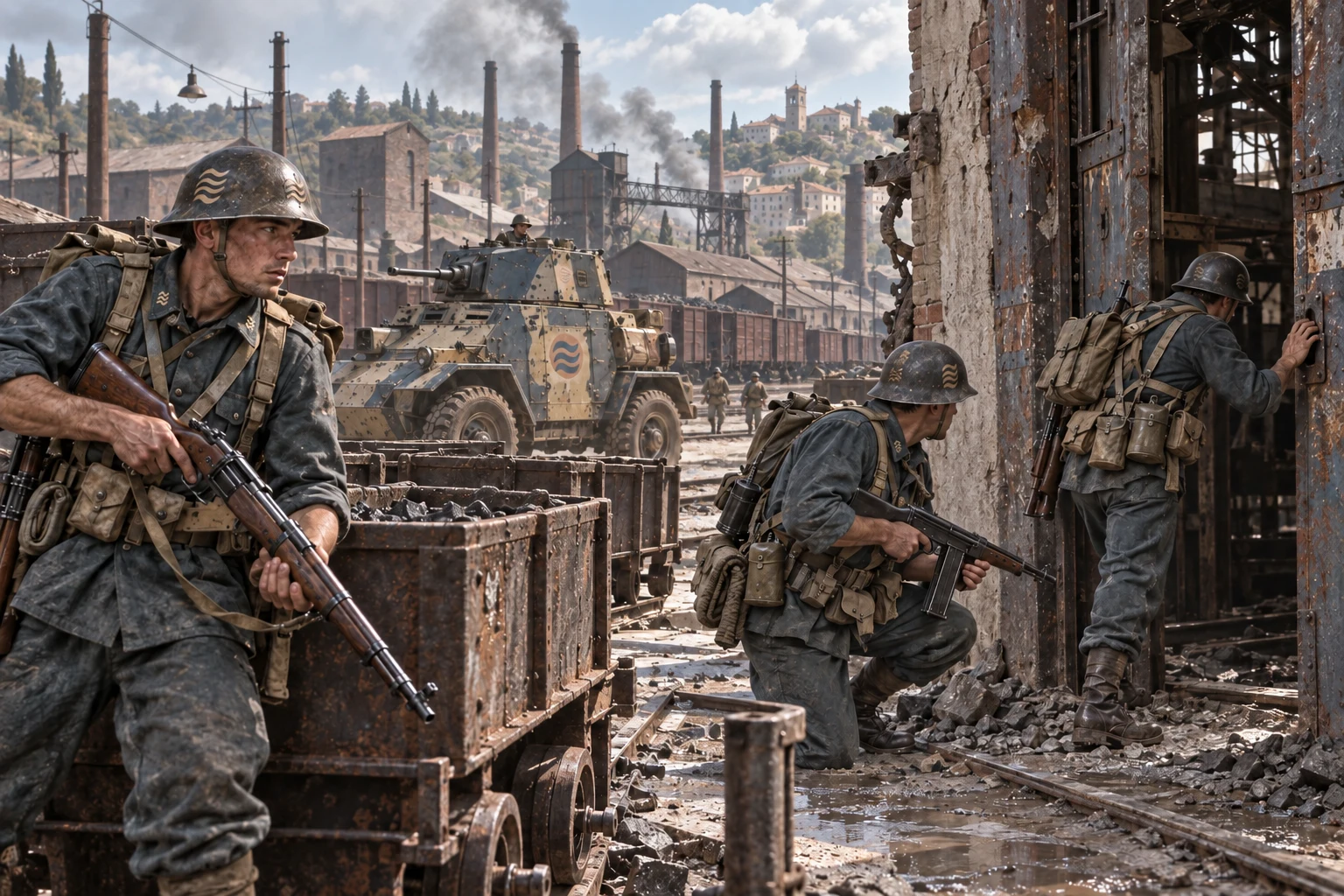
Original illustrations for this source record
Original archive artwork and captions are preserved. Dates, labels and claims printed within inherited images belong to the previous edition; the revised text governs the current history.