Ugoslia
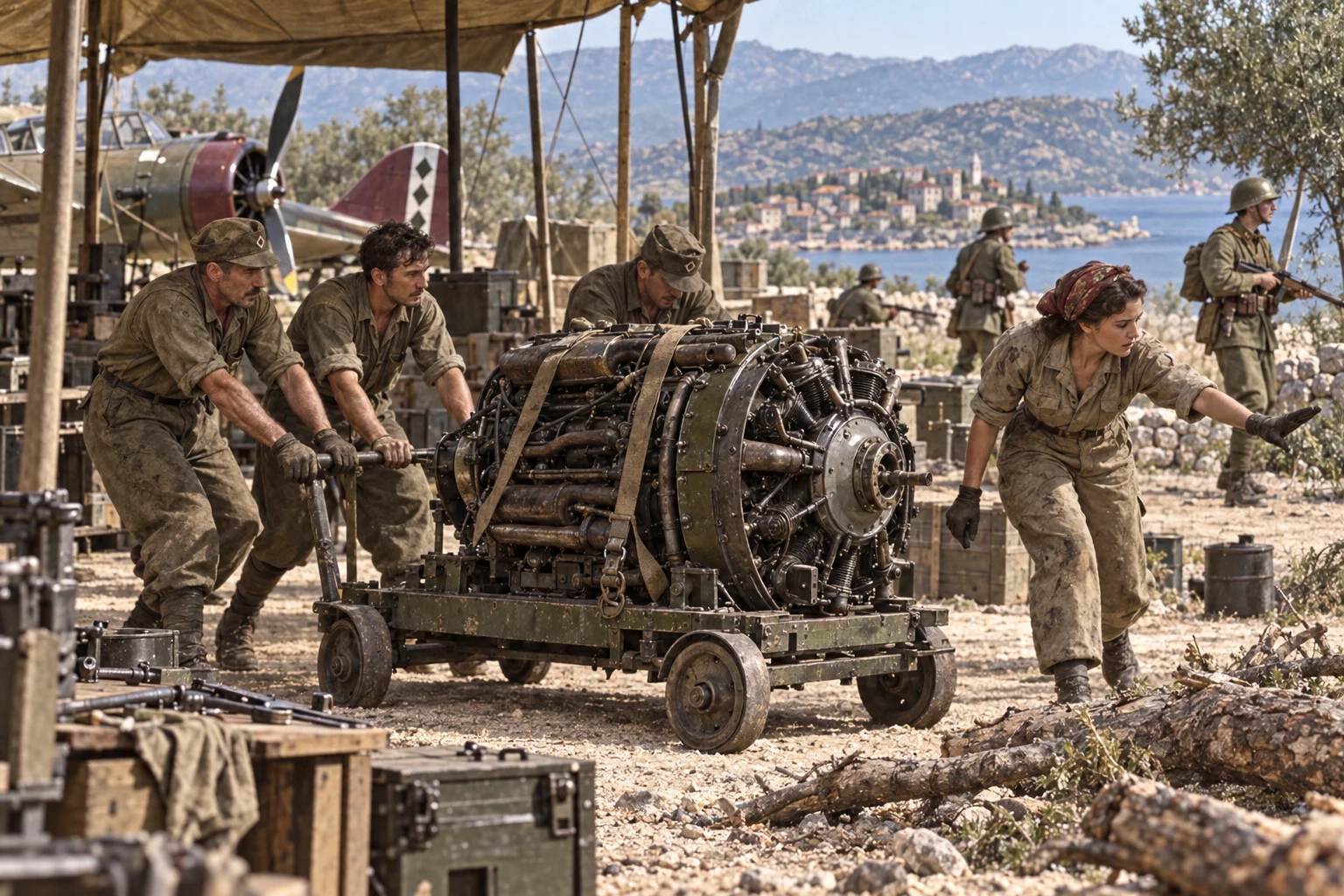
Ugoslia is a nation of Volara. Its eventual alignment in the Second World War was allied.
Government in 1580
The government in 1580 was a democratic republic.
National institutions. Ugoslia is a Volaran democratic republic headed by President Elena Varic. The Civic Constitution elects the President directly for four years, with no more than two consecutive terms. A Vice President runs on the same ticket and succeeds for the remainder if necessary. The President appoints a Cabinet, conducts diplomacy, and directs federal agencies, while an independently elected legislature writes laws and controls money. No cabinet appointment permits the President to bypass the legislature's public confirmation hearing for Defense, Justice, Treasury, or Election Administration.
Assembly and politics. The National Assembly has 192 seats, half from single-member districts with majority runoffs and half from proportional regional lists. Members serve four years. A 48-member Senate represents eight administrative regions equally and serves six-year staggered terms. Tax and spending bills originate in the Assembly; the Senate must consent to treaties and judicial appointments. Ordinary bills require both houses. The President's veto is overridden by three-fifths in each. The Independent Election Bureau has seven staggered commissioners chosen by judicial, legislative, and regional bodies; it publishes precinct tallies, campaign donations, recount rules, and certified results. Parties may form freely and a lawful opposition receives equal access to basic campaign venues.
Local rule and courts. Regional councils elect Chairs responsible for schools, clinics, and local infrastructure. Municipalities elect mayors and publish annual accounts. National fiscal transfers follow a population-and-need schedule, so a President cannot strip an opposition region of hospital funding by order. The Constitutional Court has nine judges confirmed by two-thirds of the Senate for one thirteen-year term; it hears rights, election, and institutional disputes. Ordinary courts supervise police warrants and criminal trials. The Constitution guarantees speech, worship, assembly, due process, equal suffrage, and a remedy for arbitrary detention. Prosecutors are led by a seven-year Public Prosecutor who may investigate a sitting minister with judicial authorization.
Budget, command, and continuity. Treasury publishes a proposed budget and debt statement six weeks before the fiscal year. If legislators do not pass it, only essential services continue for two months. The President commands through the civilian Defense Minister and professional Joint Staff; a declaration of war requires both houses. A defensive response lasts no more than thirty days without renewed legislative authority. An emergency order expires after fourteen days unless both houses extend it; elections continue unless a court identifies specific physically inaccessible polling places. The Vice President becomes acting President upon a certified incapacity ruling by five Constitutional Court judges and a two-thirds Senate vote.
Practical dispute. An Assembly committee finds that emergency purchases went to a presidential ally. It can subpoena the contract and recommend prosecution, while an auditor traces money and a court decides guilt. The President cannot classify the entire project to avoid an accounting, though genuine tactical details can be heard privately. Ugoslia's distinctive safeguard is mundane but consequential: separate election, audit, prosecutorial, and court bodies can examine the same act without taking direct orders from the office they examine.
Original illustrations for this source record
Original archive artwork and captions are preserved. Dates, labels and claims printed within inherited images belong to the previous edition; the revised text governs the current history.