Teran Empire
Teran Empire is a nation of Volara. Its eventual alignment in the Second World War was axis.
Wartime government
Theradon was the wartime capital. Emperor Valther IV, reigning 1201–1234. General Cevan Rusk remains a corps commander, never the national sovereign.
Government in 1580
The government in 1580 was a totalitarian imperial dictatorship.
Imperial identity. The Teran Empire is a totalitarian imperial dictatorship on Volara. Emperor Cassor IX is its current head of state according to the roster. The imperial system descends from Kaldori Mesgal's abolition of the earlier eighteen-city Teran Councilship during the Holy Wars. The event is central to its legal mythology: emergency unity became permanent sovereign authority. The Basic Imperial Ordinance is treated by imperial officials as the highest governing instrument, but an Emperor may revise it by proclaimed succession decree. It records structures and duties; it does not place the sovereign under an independent constitutional tribunal.
Emperor and succession. The Emperor combines supreme executive, legislative confirmation, military command, and final appointment authority. Succession normally passes to the eldest registered adult descendant whom the reigning Emperor designates as Crown Executor. The designation is published in sealed duplicate registers at the palace and Imperial Chancery. If no designation survives, the Imperial Council of Ministers and commanders chooses among bloodline claimants by two-thirds within thirty days; it may name a provisional Regent but not a commoner Emperor. The Capital Guard administers physical security during an interregnum; it has no lawful right to write a new succession rule. In practice, control of communications and army loyalty can decide a crisis before the registers are adjudicated.
Executive administration. The Grand Vizier of State chairs the civil ministries and converts imperial policy into decrees. Interior officials supervise population registers, provincial prefects, police, and information licenses; Treasury officials supervise customs and industrial quotas; the Imperial Foreign Chancery controls diplomacy; the Office of War Supply connects factories to the General Staff. Ministers serve at the Emperor's pleasure. Two signatures, from the responsible minister and the Grand Vizier, are normally required to issue a regulatory order, providing traceability rather than a substantive veto. The Emperor may bypass this process by personal rescript, which is numbered and archived even when initially secret.
Assembly and laws. The Imperial Chamber has 180 appointed seats: provincial administrations nominate ninety, registered guilds and approved professions sixty, and the Crown names thirty. It may question ministers, suggest tax rates, and prepare consolidated codes. It cannot dismiss the Emperor, refuse a mobilization order, or block a rescript. An ordinary statute originates in a ministry or the Chamber, passes a drafting board, and becomes law upon imperial seal. A rescript of equal force may replace it. Because the legislature's consent is not necessary, elections to local councils do not create national democratic sovereignty; those councils can petition and administer, but do not command the central state.
Provincial government and citizenship. The Empire is divided into twenty-two prefectures, each headed by a Prefect appointed by the Interior Minister and removable by the Emperor. Prefectural service districts handle roads, grain reserves, primary education, property records, and conscription lists. Appointed urban councils advise on sewerage, markets, and municipal labor. A prefect may set local implementation dates inside a national plan, but cannot refuse an imperial tax or military levy. Internal travel requires identification and registration of longer residence; subjects retain legal personal status but lack a constitutional power to choose national rulers or challenge the imperial form through an election.
Courts and security. District courts hear ordinary contracts, theft, injuries, and property cases under codified law. The High Imperial Tribunal reviews appeals and disputes between ministries; its presiding judges are named by the Emperor for renewable terms. Cases alleging political disloyalty, unauthorized associations, or sabotage may be transferred to State Security Chambers, whose closed evidentiary rules permit the police to withhold informants' identities. The Crown Procurator answers to the Justice Minister, who is answerable to the Emperor. This creates usable civil justice for ordinary transactions and a sharp loss of independence when the state itself becomes a party. Governors and police cannot formally impose a sentence without a court or security chamber, but secret detention before a hearing undermines that protection.
Revenue and economic power. The Treasury collects imperial customs, land assessments, enterprise levies, and strategic industry dividends. Annual allocations are set by a Five-Year Supply Directorate and revised each year by the Emperor. Provincial assessments are not negotiated with elected representatives. The Chamber may investigate waste but cannot cut the central security budget. Imperial debt is backed by national revenues; provincial officials are personally liable to the Court of Accounts for unexplained shortfalls. Industrial quotas and foreign-exchange permissions let the center reward reliable provinces and punish resistant ones without formally abolishing their courts.
Armed forces, wars, and intelligence. The Emperor is Supreme Commander; the Grand Marshal runs operations through theater commanders; the War Supply Office and naval ministry maintain separate procurement chains. The Capital Guard protects the palace and succession registers. The Imperial Intelligence Directorate reports simultaneously to the Emperor and Interior Ministry, creating overlapping surveillance and incentives for rival reports. A declaration of war is an imperial rescript; no parliamentary authorization is required. Field commanders may repel an attack under standing orders but cannot make peace. Disloyalty investigations inside the army are handled by a military prosecutor, with the Emperor able to order a special chamber. A disastrous campaign can thus create pressure for purges rather than candid strategic correction.
Rights, dissent, and censorship. Ordinary law recognizes inheritance, family status, registered worship, and commercial property, all subject to broad public-order restrictions. Publishing a policy criticism requires licensed channels, and organization across prefectures requires approval. The ban on sedition is defined around loyalty to the imperial order; it can capture peaceful opposition. A subject may petition the Palace Inspectorate about an abusive prefect and can sometimes obtain relief, but has no secure right to organize an opposition movement, replace the Emperor, or compel release of classified security files. The legal hierarchy makes the sovereign's decision the final answer in a politically sensitive case.
Emergency, incapacity, and systemic fault. The Emperor may declare a Protected Order Zone for sixty days, renew it by rescript, and place civil administration under a military commander. No independent body is needed to continue the zone. Incapacity requires certification by three senior physicians and a two-thirds vote of the Imperial Council, after which the registered Crown Executor acts as Regent; if the Council is divided, the Emperor's seal remains legally powerful even when his actual direction is doubtful. The regime's defining vulnerability is the proximity of law to personal authority: it can act quickly, but truthful advice, predictable succession, and correction of military failure depend on whether courtiers risk displeasing the throne.
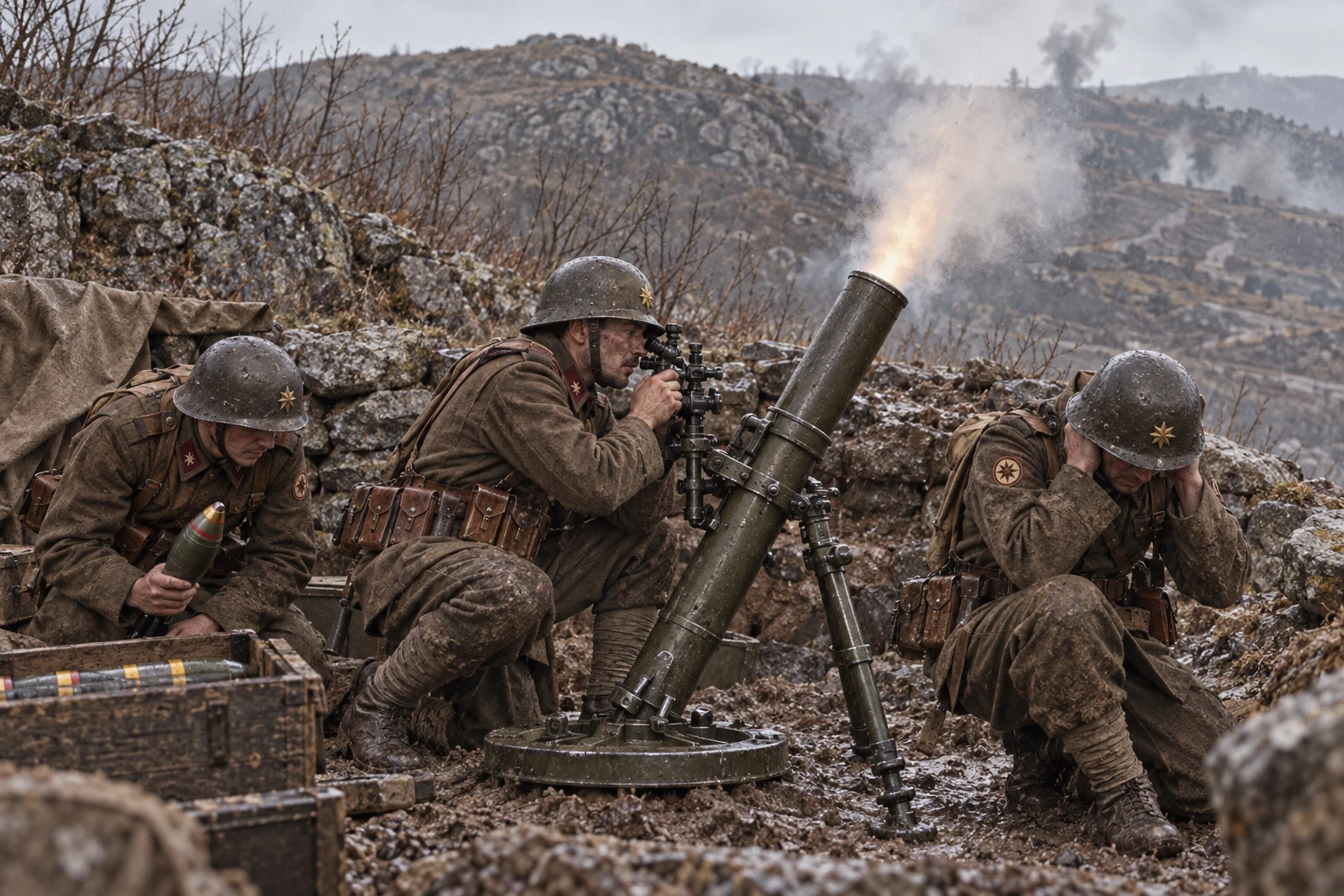
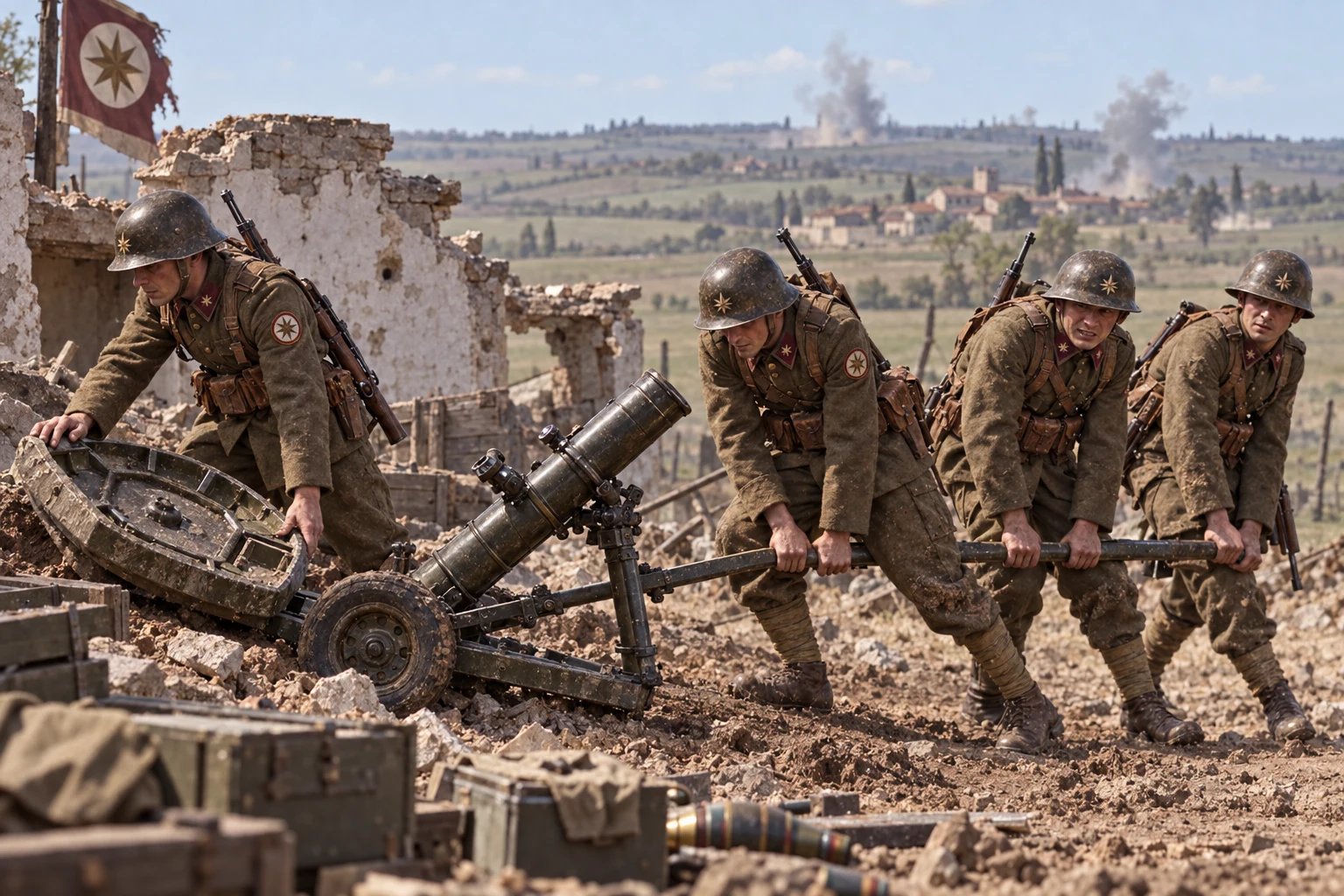
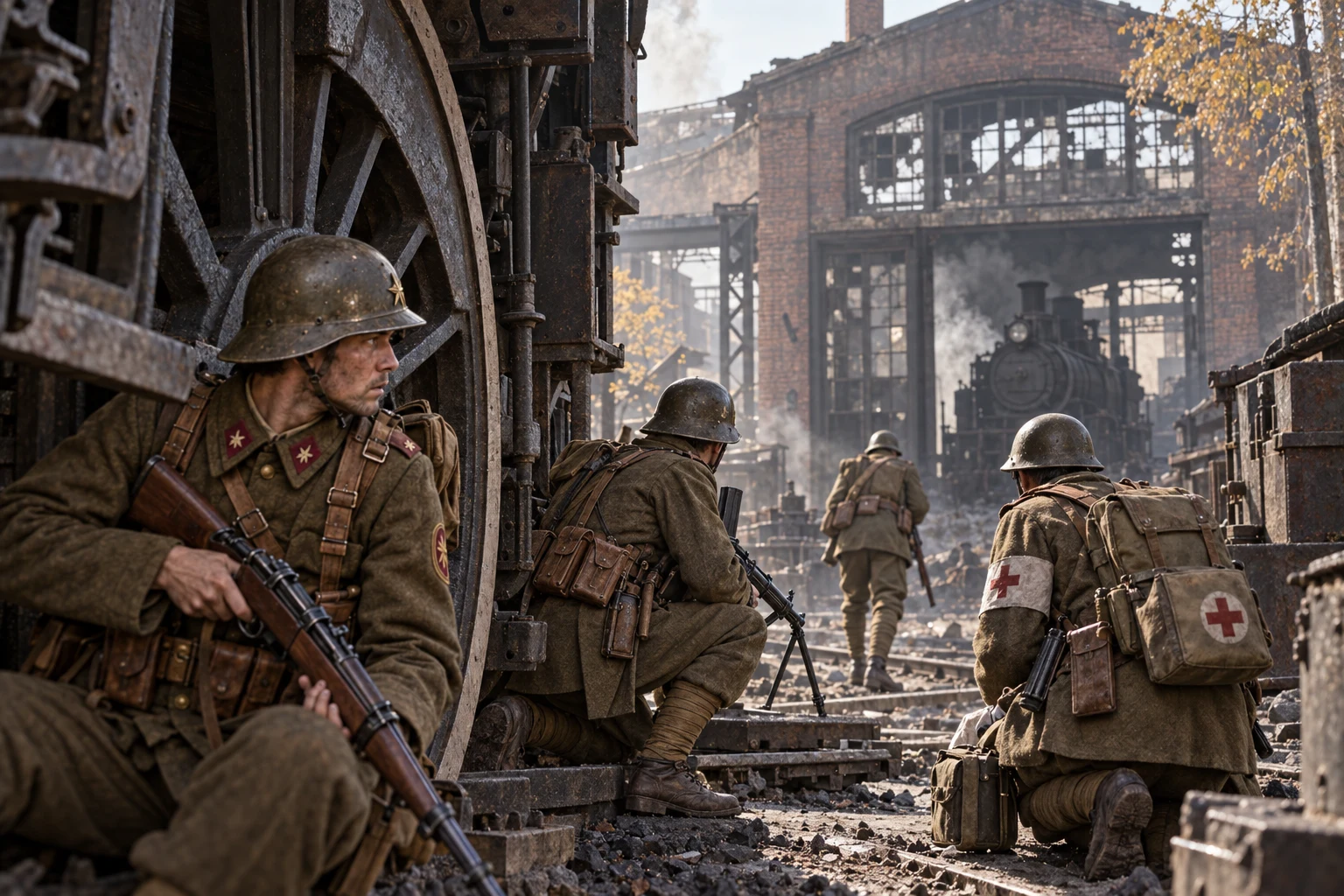
Original illustrations for this source record
Original archive artwork and captions are preserved. Dates, labels and claims printed within inherited images belong to the previous edition; the revised text governs the current history.