Pavren
Pavren is a nation of Volara. Its eventual alignment in the Second World War was allied.
Wartime government
Pavenor was the wartime capital. The wartime civil government maintains legal continuity after the capital falls; its head of government is First Minister Irena Valt.
Government in 1580
The government in 1580 was a parliamentary republic.
Leadership and succession. Pavren is a Volara parliamentary republic under President Tomas Edrin. Its Basic Law separates authenticated public acts from informal directions, and the school transport register is a statutory record open to the audit authority and affected residents. A law or decree takes effect only after entry in the public register; confidential operational details can be sealed by judicial order but the legal basis and spending authority remain identifiable. President Tomas Edrin is head of state, chosen by a joint parliamentary ballot for a five-year term with one reelection. The President commissions a Prime Minister elected by the Assembly and may refer a bill to the High Court once. A constructive confidence vote replaces the Prime Minister, while a vice president elected on the same parliamentary ballot completes any presidential vacancy. The Prime Minister directs Treasury, Education, Health, Works, Justice, and Defense; presidential ceremonial powers cannot independently create a ministry or spend public money.
Law and local power. The 96-seat Assembly is elected every four years by proportional vote; a 20-member Council of Localities, delegated by 5 elected local councils, reviews statutes for 30 days. Assembly three-fifths overcomes an ordinary delay, while taxes originate in the Assembly. Constitutional amendment needs two-thirds in both bodies and a referendum. Local councils govern schools, clinics, water, and transport within a transparent grant schedule. Members may question ministers and demand documents through a parliamentary inquiry; a minister cannot claim presidential protection from questioning.
Courts, rights, and oversight. The 7-member High Constitutional Court is nominated by a judicial service commission and confirmed by two-thirds of a parliamentary joint sitting for one 11-year term. It hears election challenges, detention, agency appeals, and appropriation disputes. Citizens have protected speech, worship, association, equal suffrage, counsel, and fair trial. An independent Auditor publishes the national accounts and procurement ledger. The Ombud may ask for urgent interim relief for a person losing an essential service.
Finance and continuity. The annual budget lists school transport separately so another ministry cannot disguise a transfer. The public finance committee and Accounts Office publish quarterly spending and the holders of large contracts. If no budget passes, established payroll and essential schools, health, water, and rescue may continue at prior rates for 30 days; new capital awards must await supply. The cabinet directs a professional defense staff through the civilian Defense Minister. War requires a vote of both chambers; immediate defense is reviewed in twenty-one days. An emergency order lasts fourteen days without legislative renewal and remains open to judicial challenge. The amendment procedure cannot be replaced by emergency regulation.
Institutional test. Suppose a district cancels a subsidized route without the required hearing. Under the Basic Law, the Schools Appeal Panel restores the route pending a funded service plan. The responsible agency must file the underlying order, actual cost, and any conflict of interest in the school transport register within 10 days. An affected person can seek interim protection before the final audit, and an official who destroys the record faces ordinary disciplinary and criminal proceedings. The remedy addresses this decision alone; a lasting change in policy still needs the government actor and legislative procedure described above.
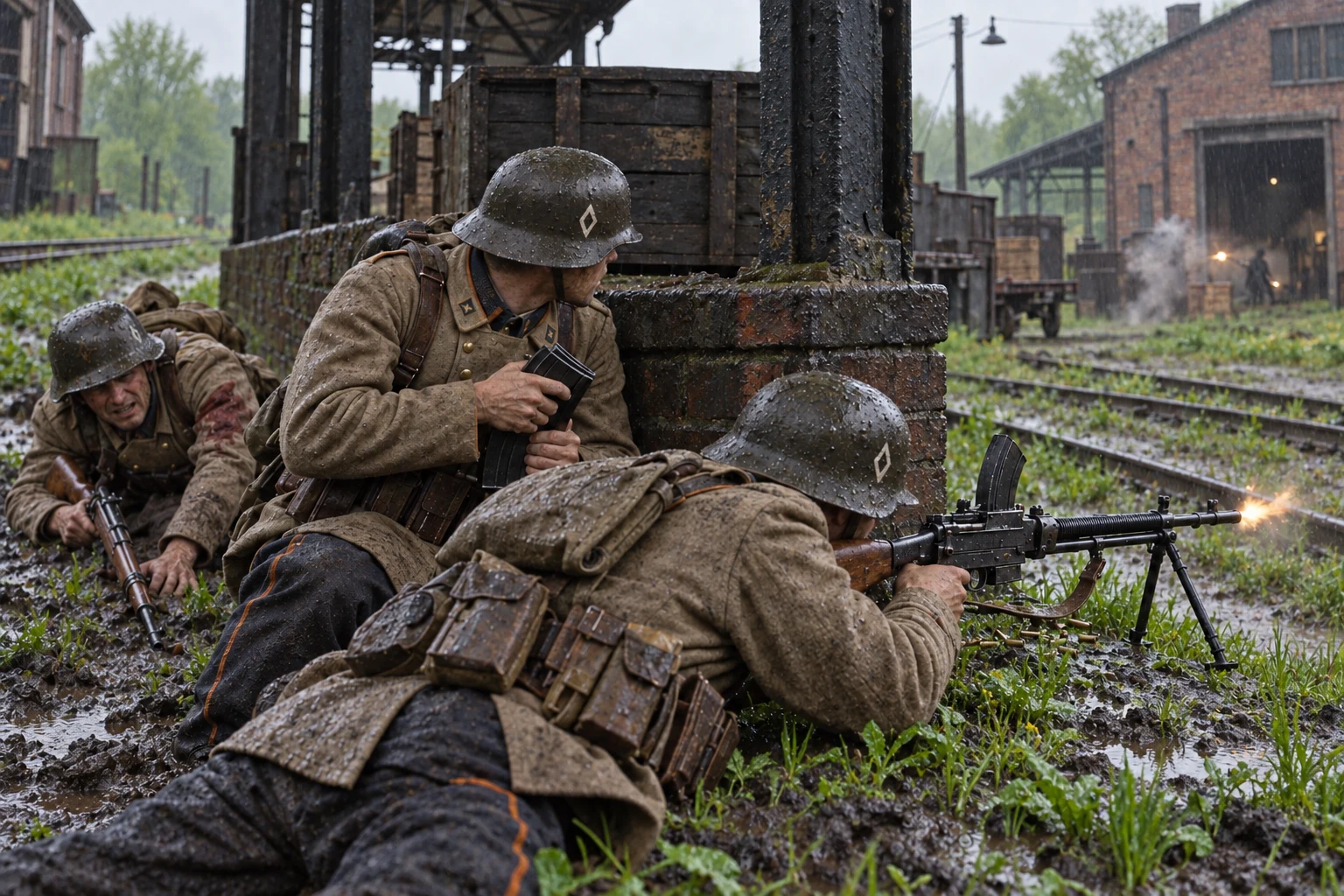
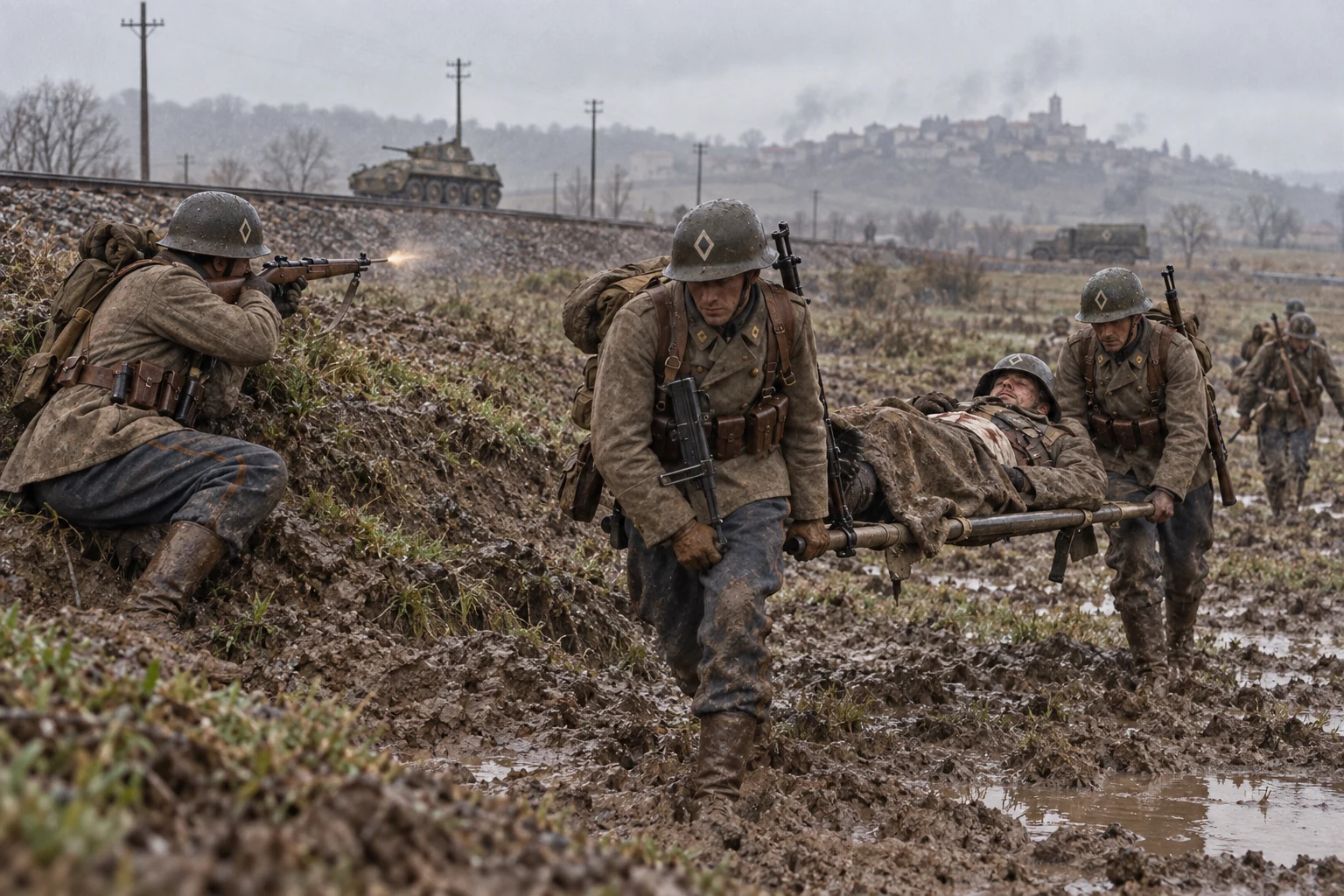
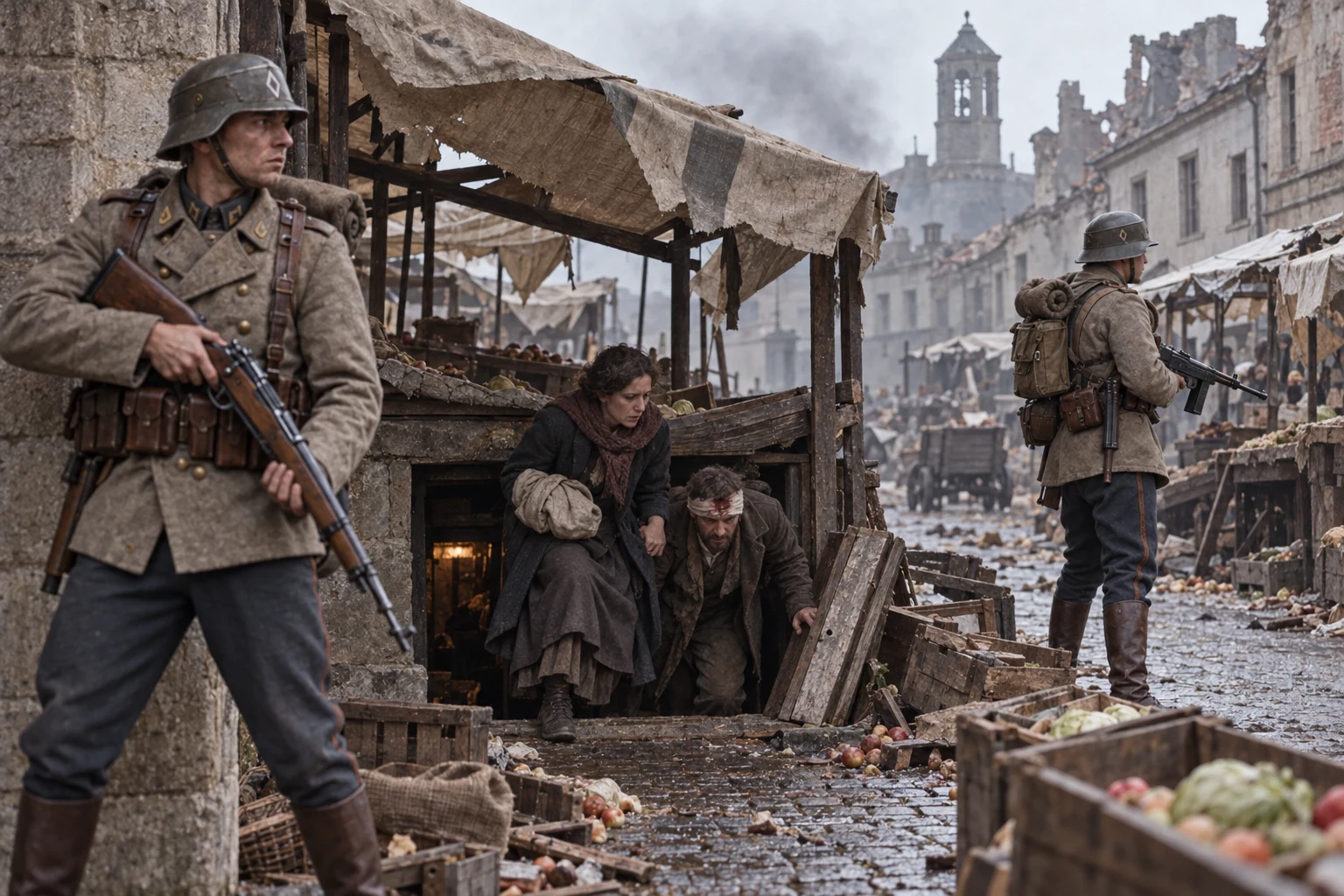
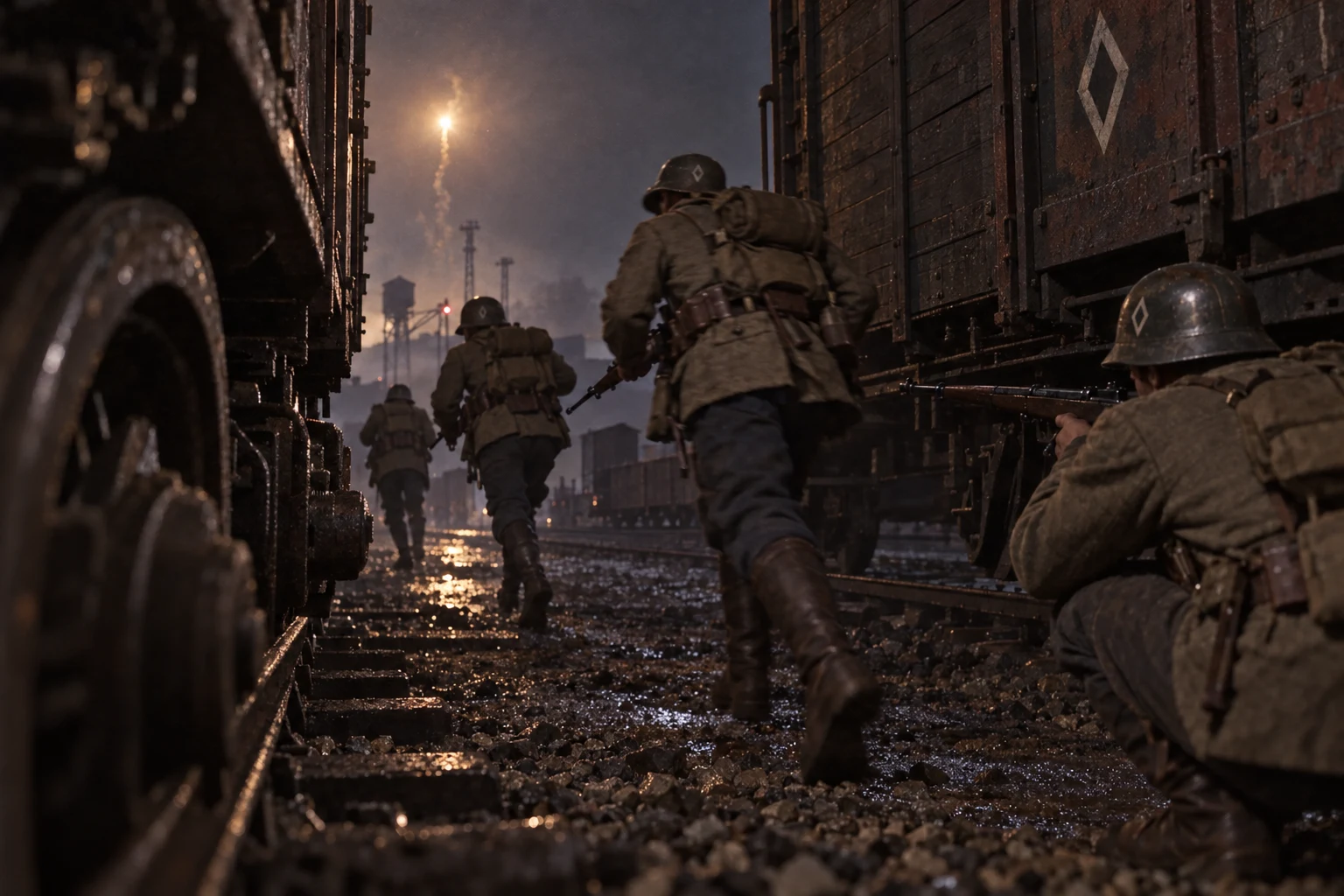
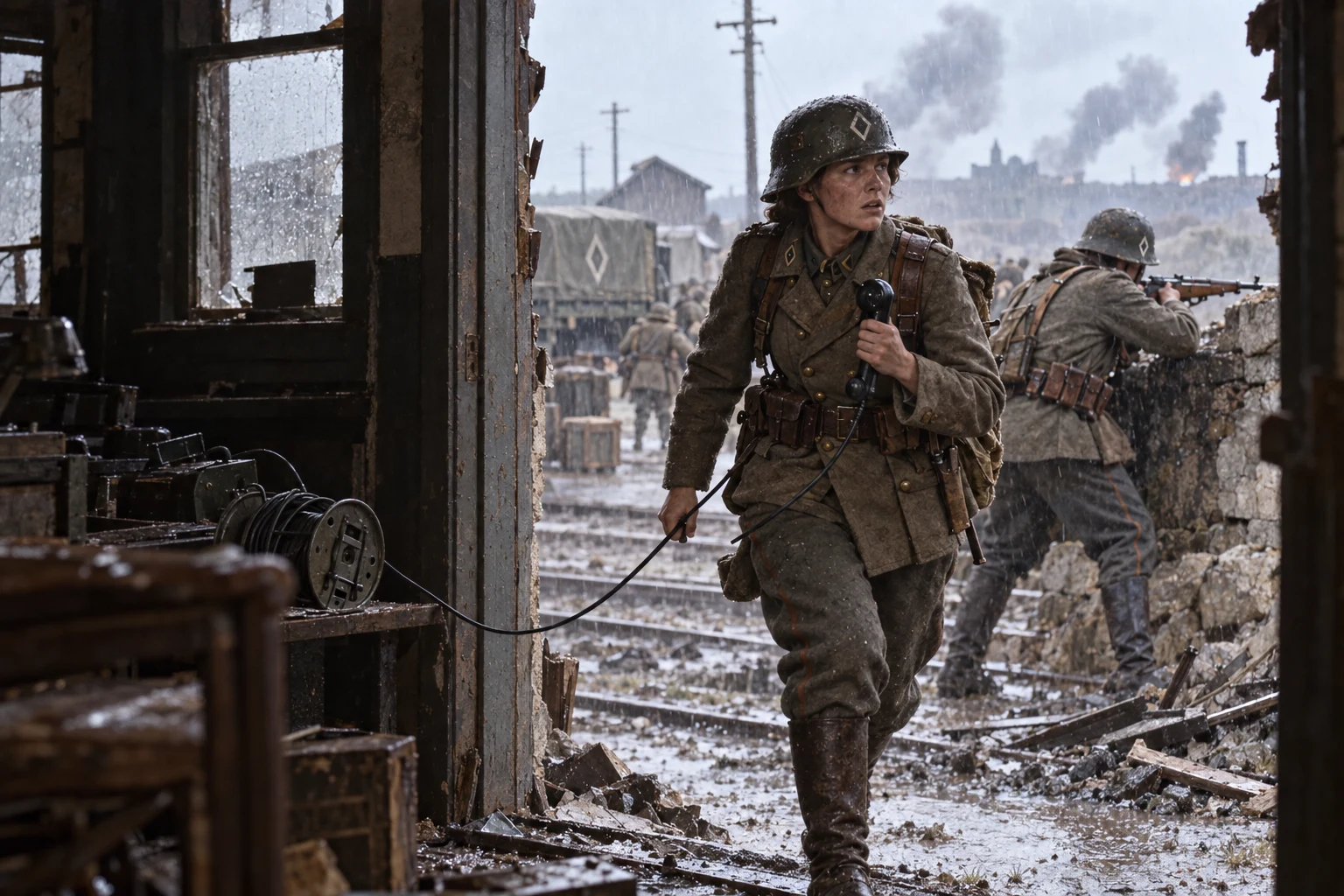
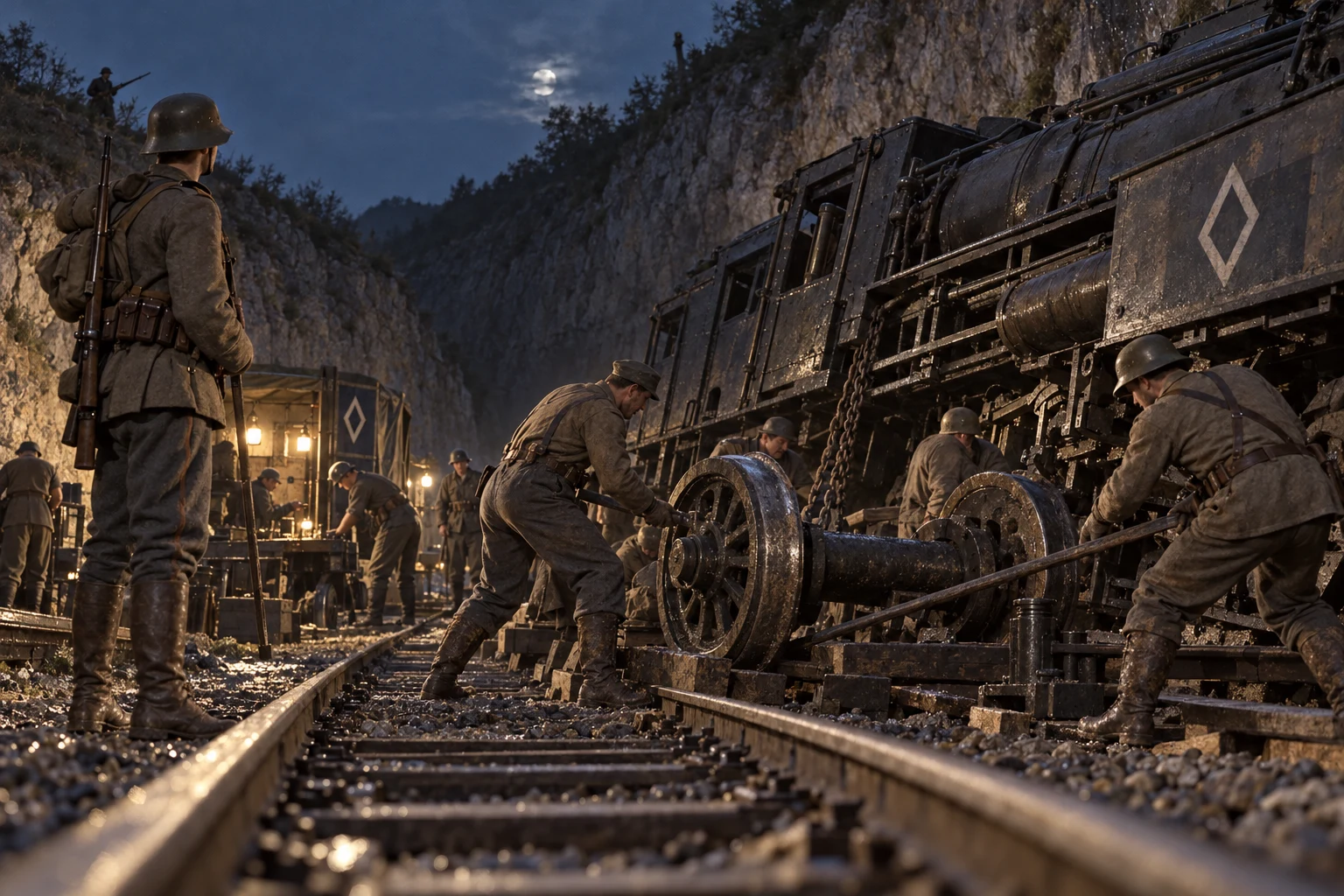
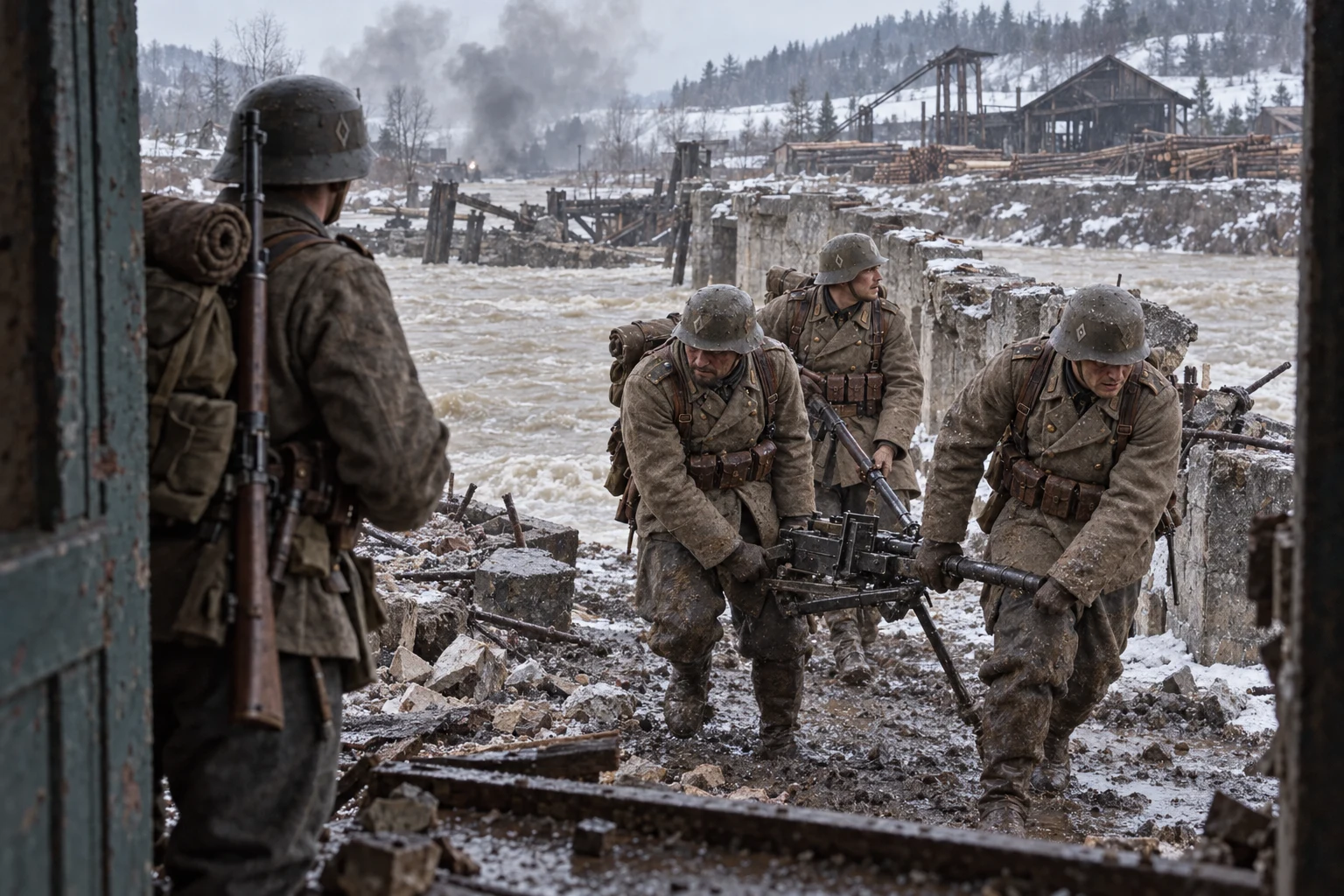
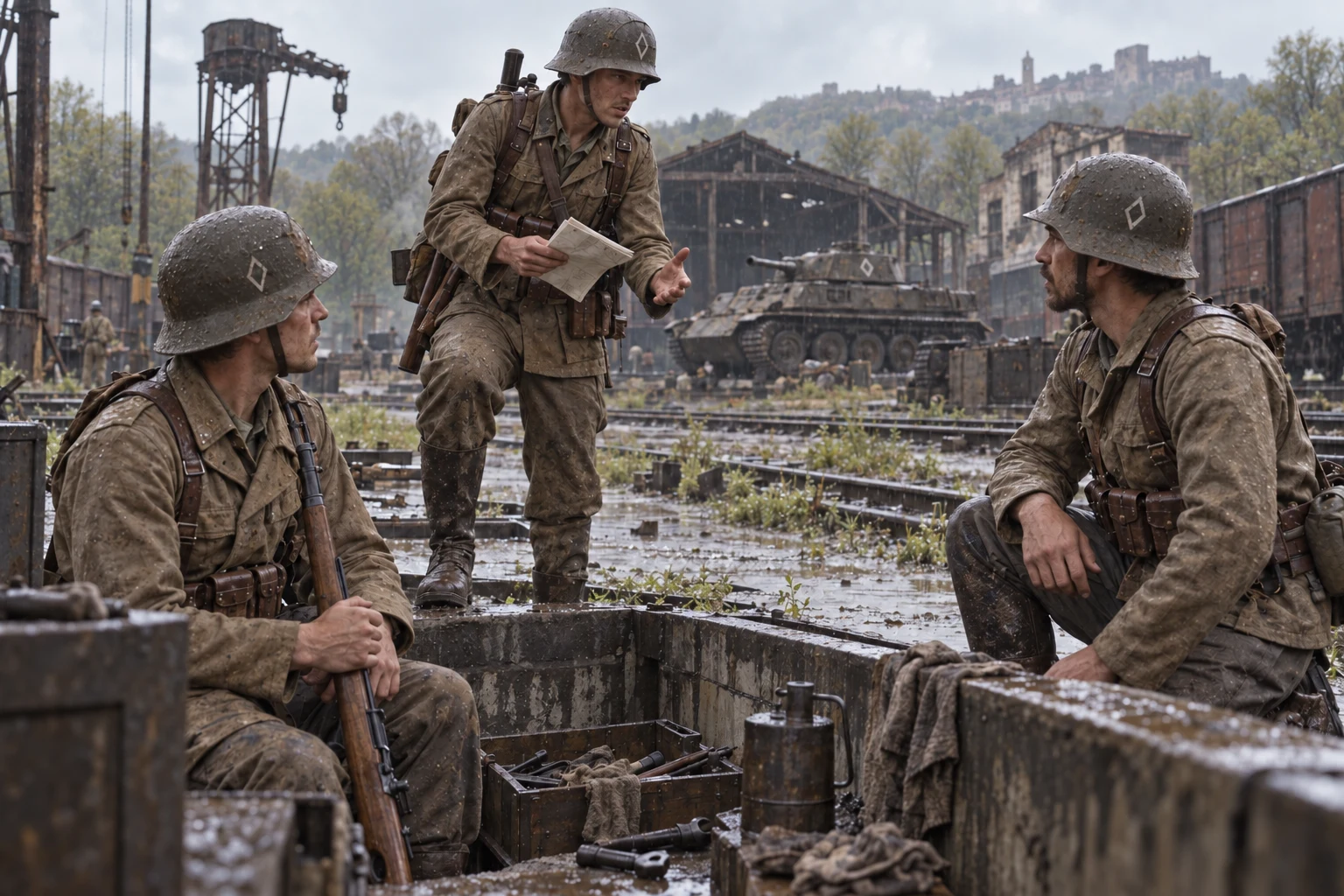
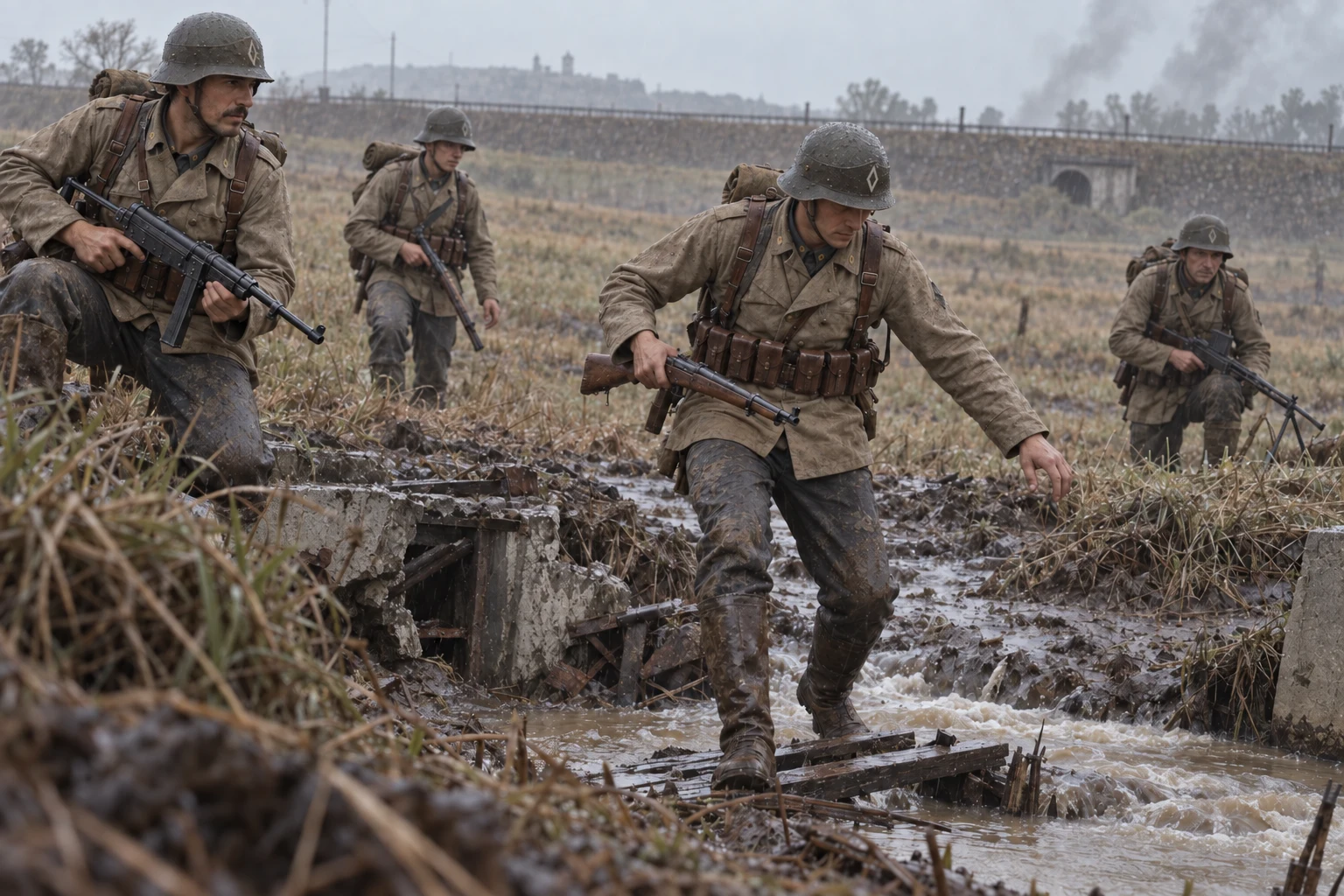
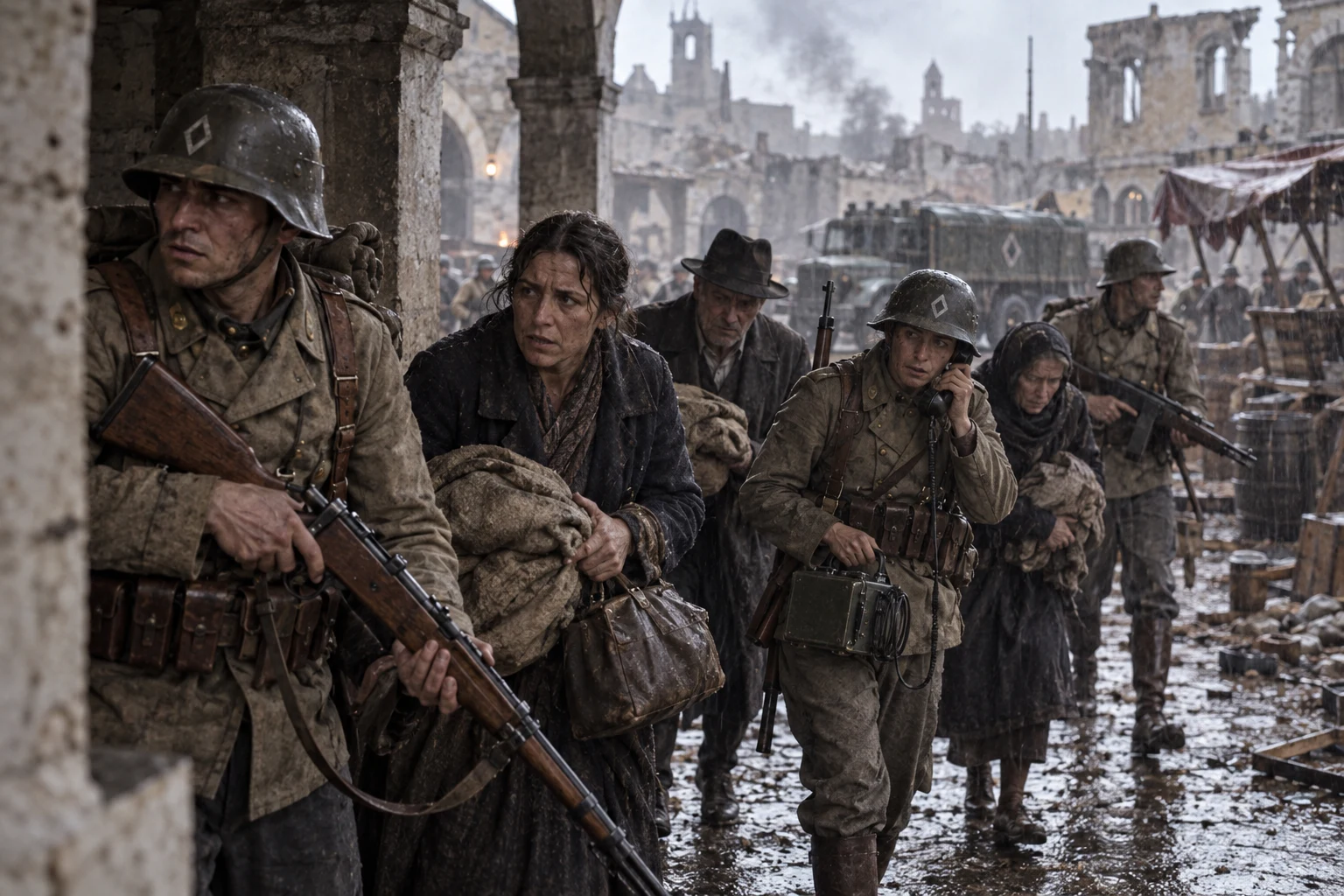
Original illustrations for this source record
Original archive artwork and captions are preserved. Dates, labels and claims printed within inherited images belong to the previous edition; the revised text governs the current history.