Navaroa
Navaroa is a nation of Nagasaki Ocean. Its eventual alignment in the Second World War was axis.
Government in 1580
The government in 1580 was a absolute monarchy.
Absolute sovereign. Navaroa is a Nagasaki Ocean absolute monarchy ruled by King Mahelo VII. The Royal Navigation Code organizes his government but does not establish a legislature that can overrule him. Equal primogeniture is the ordinary succession rule; the reigning King may disqualify an heir for a documented grave incapacity under a sealed order reviewed by a Royal House Council for authenticity. A Keeper of the Seal operates established payroll and rescue services during a disputed succession. The King appoints a First Minister, governors, judges, fleet officers, and commercial wardens, and may legislate by numbered, publicly registered edict.
Council and daily ministries. A 60-member Island Advisory Council contains delegates nominated from religious houses, commerce, fishing communities, and districts. It can question the First Minister, petition against an abusive governor, and review harbor charges, but cannot block an edict or remove the King. Ministries of Treasury, Trade, Fisheries, Works, Healing, Justice, Public Order, and War administer policy. Six appointed district governors control local budgets and town officials. Public town meetings offer recommendations on clinics and water, while the final allocation remains with the royal administration. Registration of edicts prevents forgery by palace agents without restricting a genuine royal decision.
Courts and public status. Ordinary magistrates hear trade, family, injury, and crime under published codes. The Royal Court hears appeals and complaints against governors, with judges appointed to renewable terms by the King. It may annul a subordinate official's rule conflicting with the Navigation Code but cannot strike down an authenticated later edict. Residents may own property, seek counsel in ordinary trials, and submit grievances. They have no guaranteed right to organize an opposition party or remove the sovereign by vote. A Royal Inspector of Stores reports theft to the First Minister and King, but has no independent prosecutor above them.
Money, navy, emergency. Customs, state shipping, fisheries dues, and land assessments fund the budget. The King approves annual spending after Advisory Council comment; the palace reserve is not fully public. He commands naval and land forces through the War Minister and professional officers. No representative war vote is required. A cyclone edict may requisition vessels and ration stores until the King revokes it. If a district governor hoards medicine, petitioners may secure immediate removal if the King acts, but courts cannot compel him to dismiss a protected favorite. Navaroa's absolutism permits rapid decisions and leaves the ultimate correction of royal misconduct inside the same household.
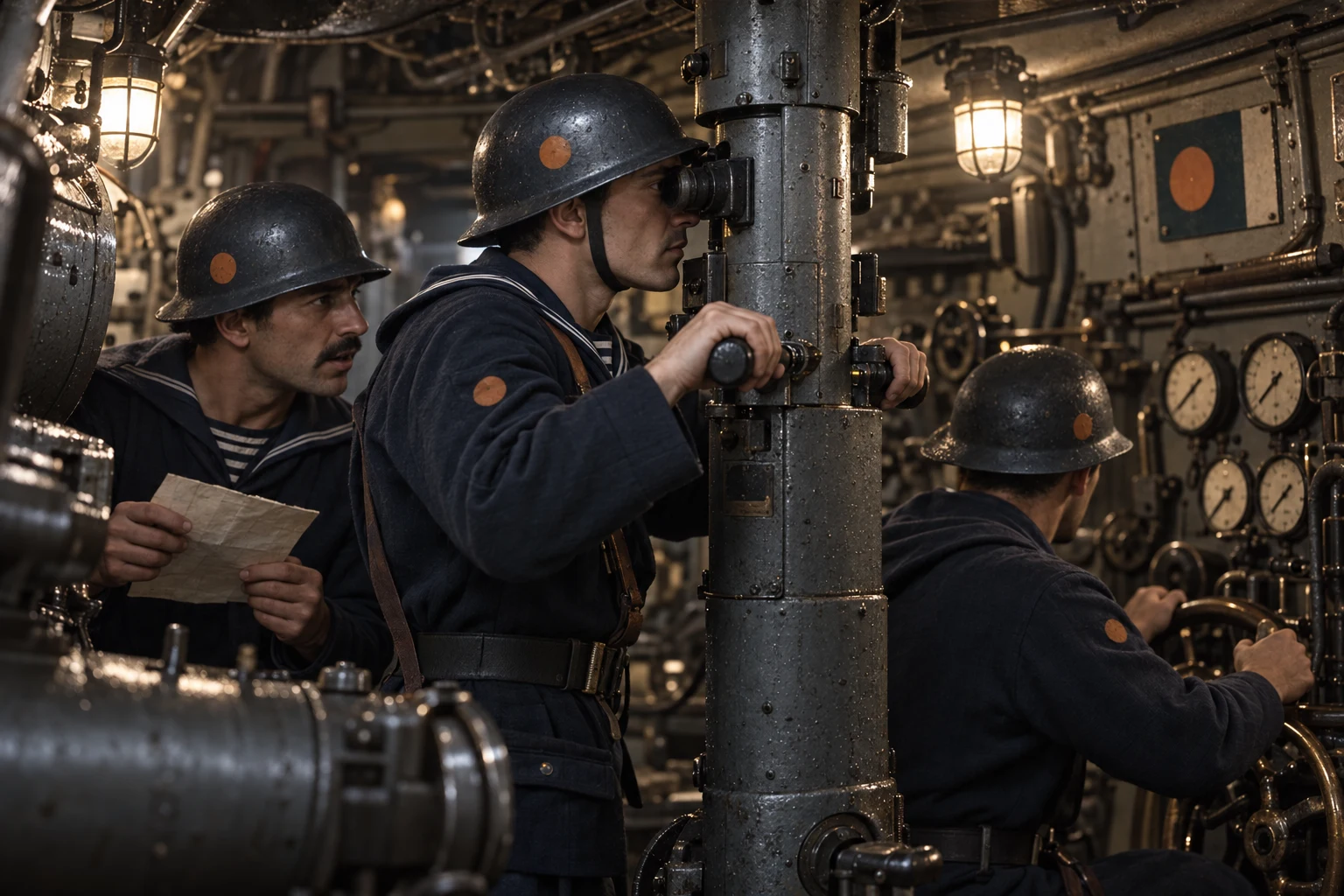
Original illustrations for this source record
Original archive artwork and captions are preserved. Dates, labels and claims printed within inherited images belong to the previous edition; the revised text governs the current history.