Hukular
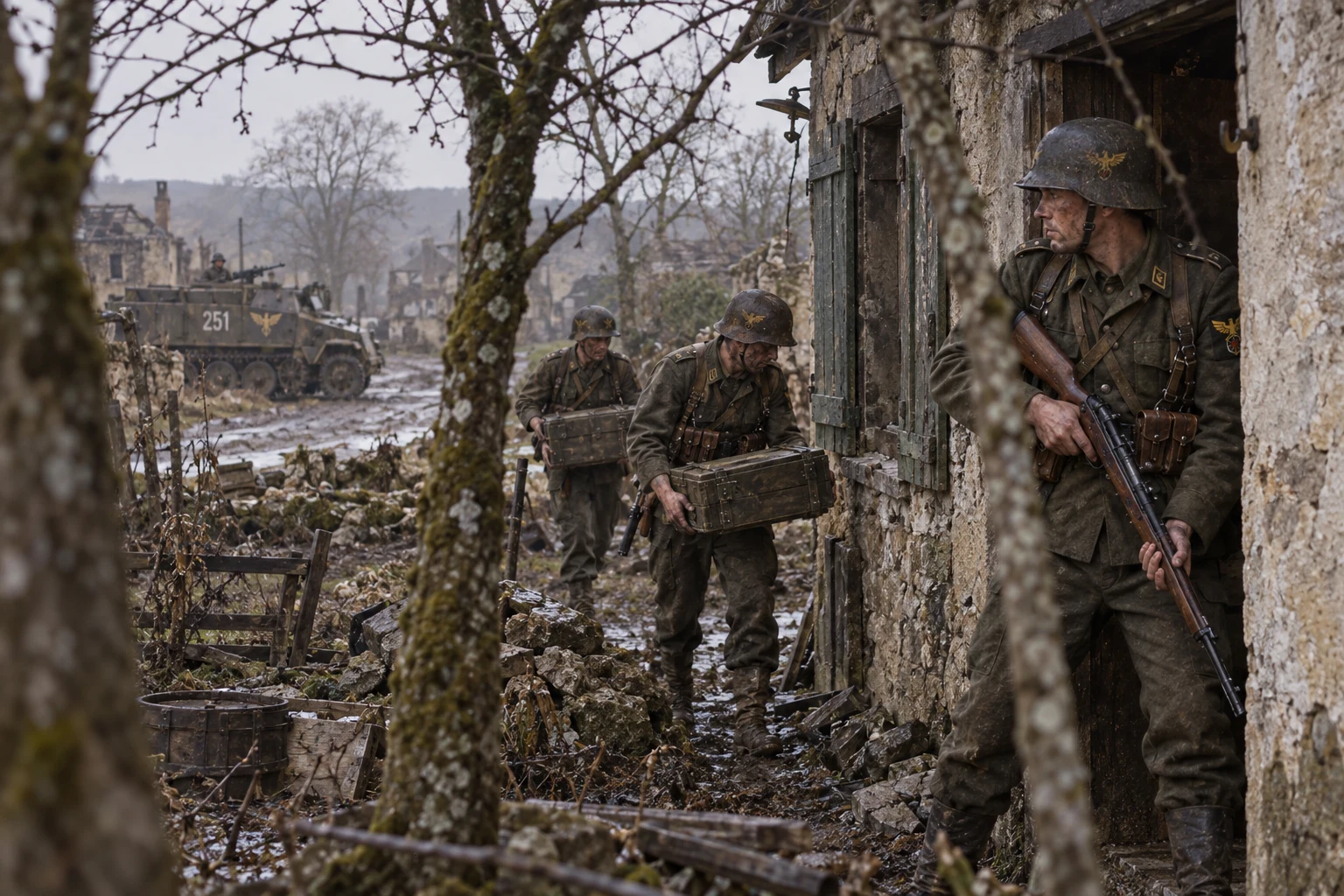
Hukular is a nation of Volara. Its eventual alignment in the Second World War was axis.
Wartime government
Varkhest was the wartime capital. Emperor Orvek II, reigning 1194–1234; Imperial Director Darek Voss directs the established coercive wartime apparatus.
Government in 1580
The government in 1580 was a totalitarian imperial dictatorship.
Identity and roster form. Hukular, also spelled Hukalar, is ruled by Emperor Vadrik I in 1580. It is a totalitarian imperial dictatorship in Volara's Crown Highlands and Kadorian theater. Its institutions are unlike Tera's hereditary-bureaucratic order: Hukular fuses an imperial court to a compulsory ideological party and a security apparatus that polices membership in the political community. The Imperial Unity Doctrine, including its supremacist exclusion of groups deemed unworthy, is state policy; this reference describes its machinery without validating its claims.
Sovereign and governing party. The Emperor appoints the Imperial Director, Army High Command, provincial commandants, chief prosecutor, and head of internal security. He may issue a Führungsbefehl, recorded in the Directive Registry as an Imperial Order, with immediate force across all ministries. The Unity Party is the only lawful national party. Its Central Directorate writes personnel lists, supervises propaganda, and reviews appointments above district level. A minister requires both imperial appointment and Party clearance. Formal hierarchy places the Emperor above the Party; practical administration depends on competing court, Party, army, and police networks obtaining his favor.
Succession and uncertainty. There is no automatic hereditary rule. The reigning Emperor may designate a Successor by authenticated directive; if he dies without one, the 21-member Directorate and seven senior army commanders meet in closed session. A three-quarters joint vote selects the new Emperor from approved senior leadership, and the Capital Security Division verifies the result. The membership of the deciding body can itself become disputed if rivals claim dismissals or newly sealed directives. A provisional Director may run domestic services for thirty days but cannot claim the throne without the joint vote. This arrangement rewards political survival and makes disputed records an obvious coup trigger.
Legislature and elections. The 400-seat National Forum is selected from a single Party list in provincial plebiscites every five years; citizens can accept or reject a slate but cannot nominate another governing party. The Forum receives production targets and can vote on nonbinding policy resolutions. An Economic Commission reviews allocation details, but its recommendations have force only when endorsed by the Imperial Director. Legislation is drafted by the relevant ministry, checked by Party jurists, and promulgated by imperial order. Provincial public meetings are sometimes held to collect complaints about food or infrastructure; such complaints do not translate into electoral control over the ruler.
Territory and parallel authority. The state consists of sixteen command provinces and the Capital District. A provincial civil governor administers schools, transport, rationing, and municipal accounts. Beside the governor stands a Party Commandant who controls political appointments and a Security Commissioner with arrest and intelligence powers. Each sends reports independently to the center. Municipal councils are staffed from approved membership lists and may decide minor maintenance priorities within a fixed quota. The architecture deliberately prevents provincial autonomy, while its overlapping chains can generate orders that contradict one another and leave responsibility unclear.
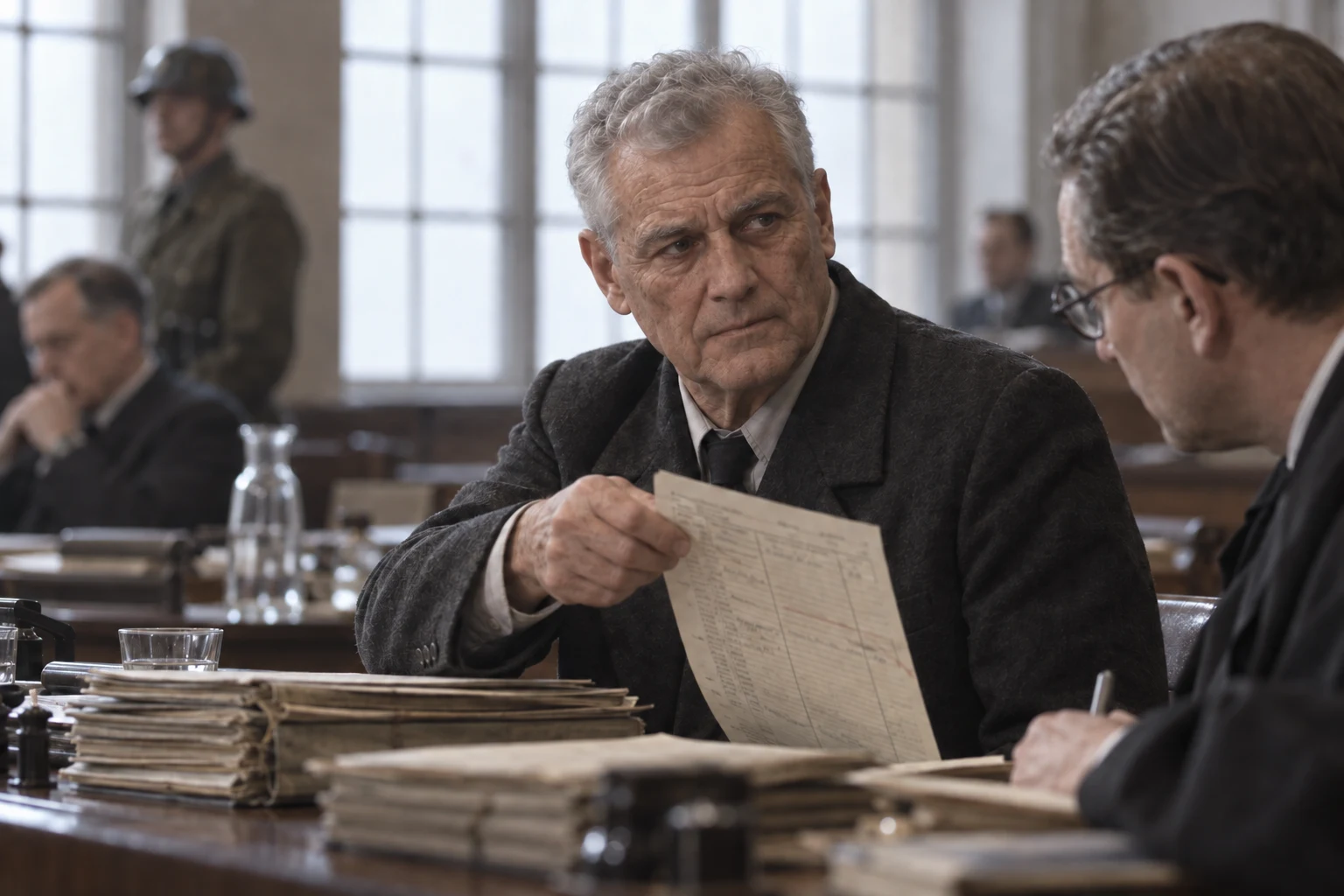
Security and judicial process. Ordinary tribunals hear property, workplace, and routine criminal disputes. The State Protection Court handles alleged disloyalty, prohibited identity status, unauthorized publication, and sabotage; its judges serve renewable imperial terms. An accused person can be denied public proceedings, and some detention powers operate through administrative security orders rather than criminal convictions. A petition to the Palace Review Desk may lead to intervention when a local official has defrauded the state, but it does not establish independent constitutional review. Police, Party security, and military intelligence keep separate files, and their rivalry is sometimes the only practical check on a false report.
Finance and labor. The Imperial Production Board sets multi-year industrial and agricultural targets; the Treasury allocates currency, rail capacity, imports, and military materials accordingly. Compulsory national service and directed labor mobilization are available by decree. State corporations receive priority contracts; private firms can operate if they comply with political screening and production orders. A Supreme Audit Inspector can expose diversion of materiel, but the Inspector answers directly to the Emperor and may suppress an adverse report. Wartime shortages amplify patronage because Party status affects access to transport, raw materials, and housing.
Military and wartime command. The Emperor is Supreme Commander. The War Directorate plans campaigns, service chiefs control their branches, and the Political Command Office certifies officer loyalty. The army may bypass a provincial governor for operational orders, while security units can veto a civilian evacuation on ideological grounds. Naval, air, and ground commands submit competing proposals to the imperial staff; none may declare war independently. A declaration follows an Imperial Order read to the National Forum. Officers are legally obliged to carry out authenticated orders and face grave penalties for dissent, making reality-based bad-news reporting especially dangerous. The fortified Kadorian mainland is administered through this civil-military overlap.
Rights and classification of persons. Freedom of party competition, independent press, and equal civic status are absent. The state divides residents into ranked categories, ties employment and residence permissions to those classifications, and criminalizes opposition to the doctrine. Security decrees permit surveillance and seizure without meaningful independent judicial consent. Some ordinary commercial and family cases receive predictable decisions, but those routines cannot protect a person targeted by the ideological state. Local officials exploit vague loyalty standards for personal disputes, which makes the regime cruel and administratively unreliable at the same time.
Emergency and downfall mechanisms. A National Danger Order can transfer transport, communications, and food to War Directorate control until revoked; no independent expiry applies. The Emperor can replace military or provincial commands without legislative consent. If the Emperor becomes incapacitated, the named Director runs the state for thirty days while succession rules operate, although contending commands may not obey. The system can muster enormous force and coordinated propaganda, yet it cannot safely admit defeat: units may report imaginary strength, ministers may hide shortages, and a general who recommends retreat can be accused of betrayal. Its formal chain of command is clear on paper and highly unstable when imperial expectations and battlefield reality diverge.
Patriot Day, 1234: The Last Briefing
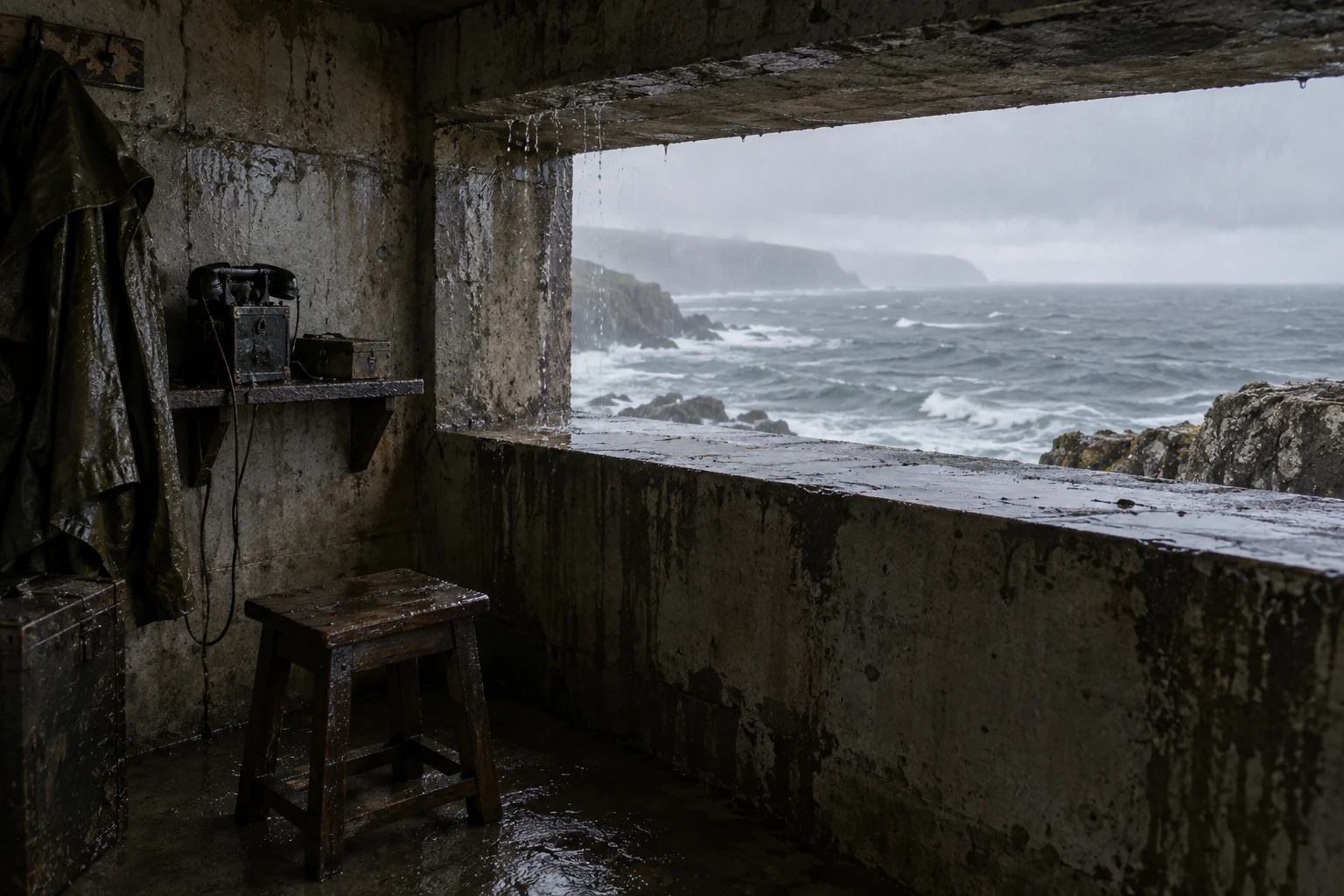
The authoritative transcript “The Last Briefing” places a collapsing Hukular command conference in the Imperial Command Bunker on Patriot Day, 1234, two years after Operation SharkStrike. The month and day are unspecified. The Talzar, also called the Imperial Director, is not personally named in this account. Twelve executions for truthful reports have driven fourteen days of fictitious strength returns. General Arven Volzharik reveals that Third Assault Corps retains only a headquarters, and General Aleks Vornetz defends the soldiers who have been ordered to hold impossible fronts. General Zorven Kriezhardt subsequently identifies the capital's bombardment as Silvian S-52 155-millimeter howitzer fire. Its approximately fifteen-mile effective range exposes the obsolete report placing the Silvians eighty miles away. The Silvian First Infantry and Ninth Mechanized Divisions are advancing through the final defensive belts.
The full user-supplied transcript is preserved separately. It is the sole canonical account of this briefing. The scene supplies no replacement date for the capital's fall or Hukular's capitulation.
Original illustrations for this source record
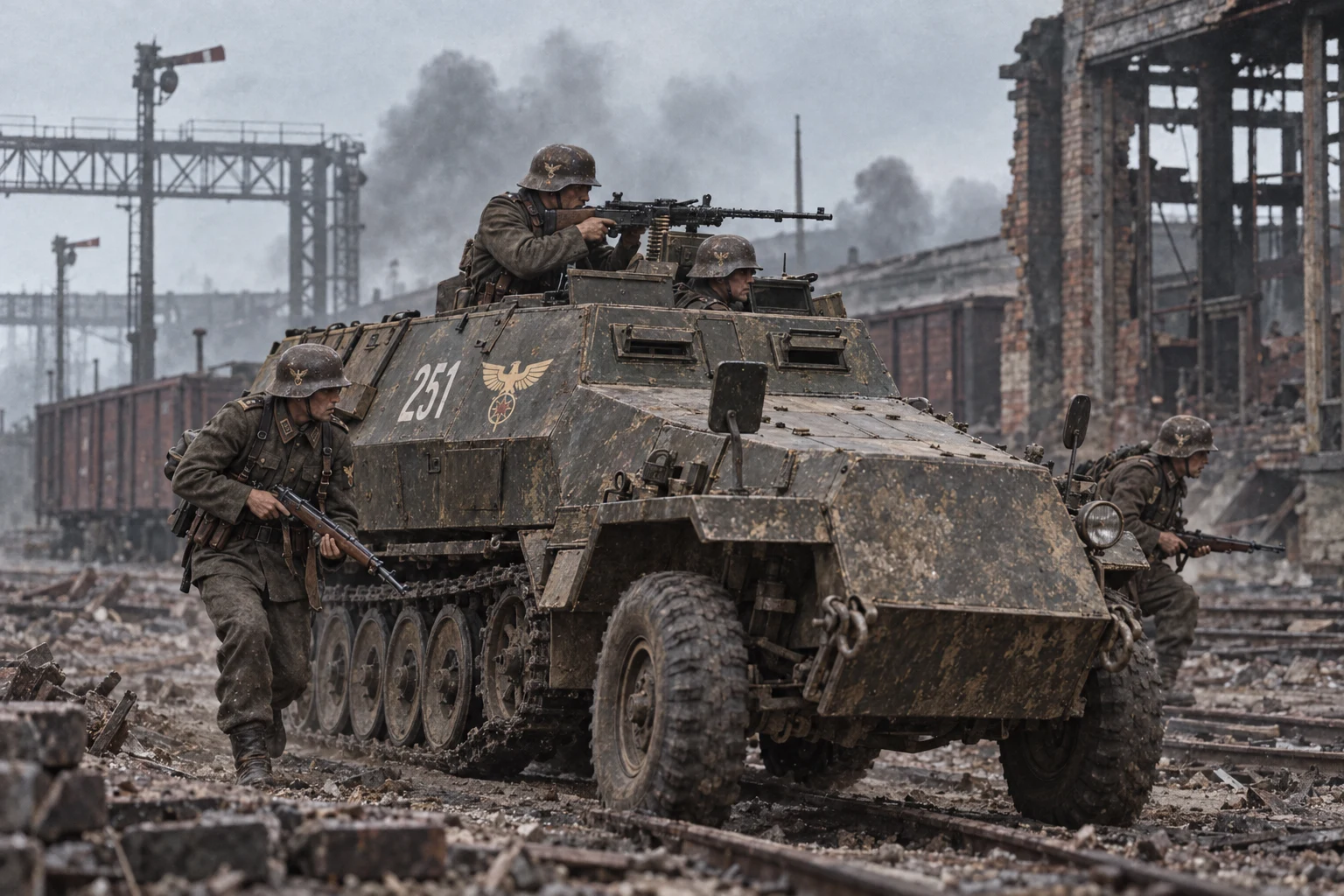
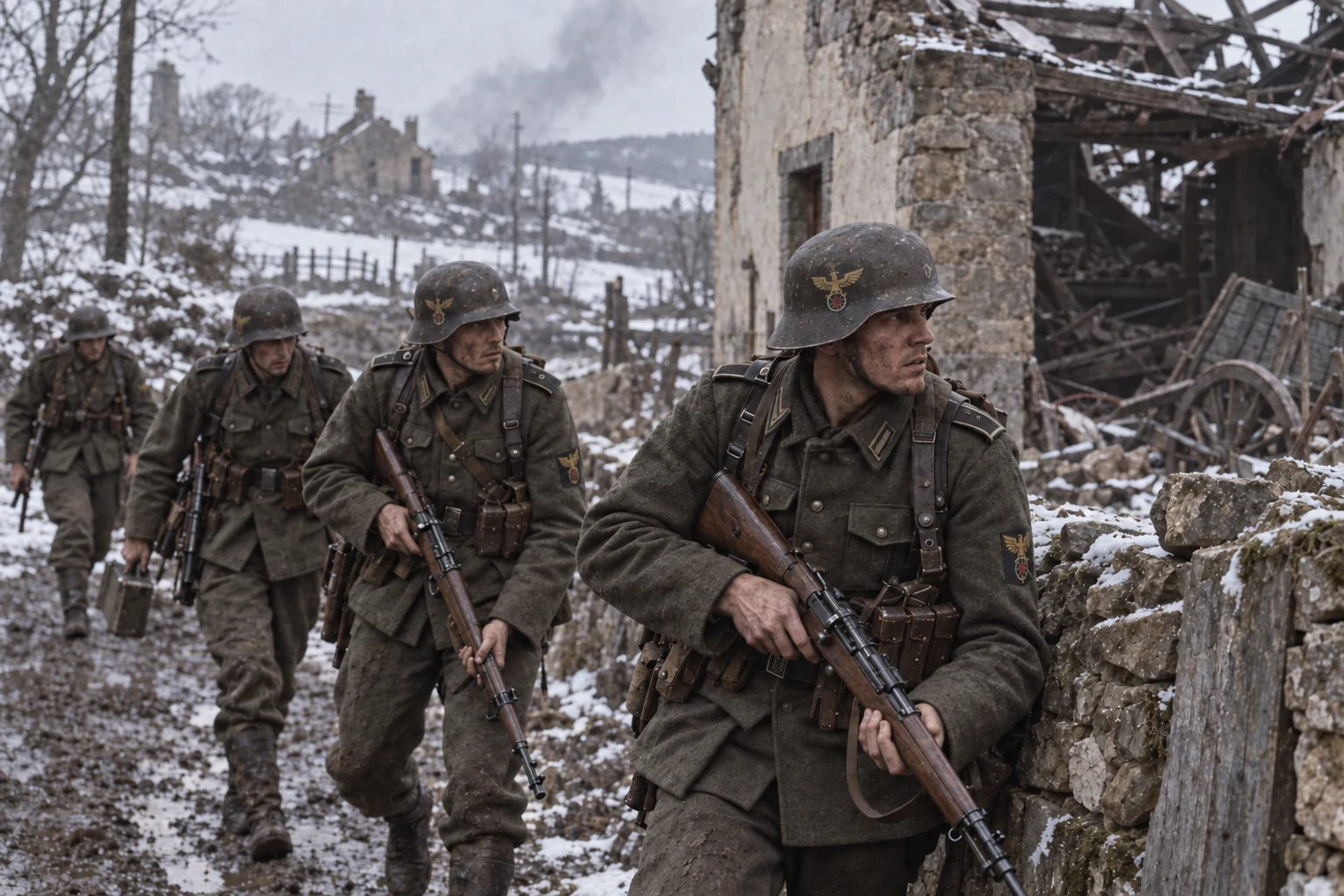
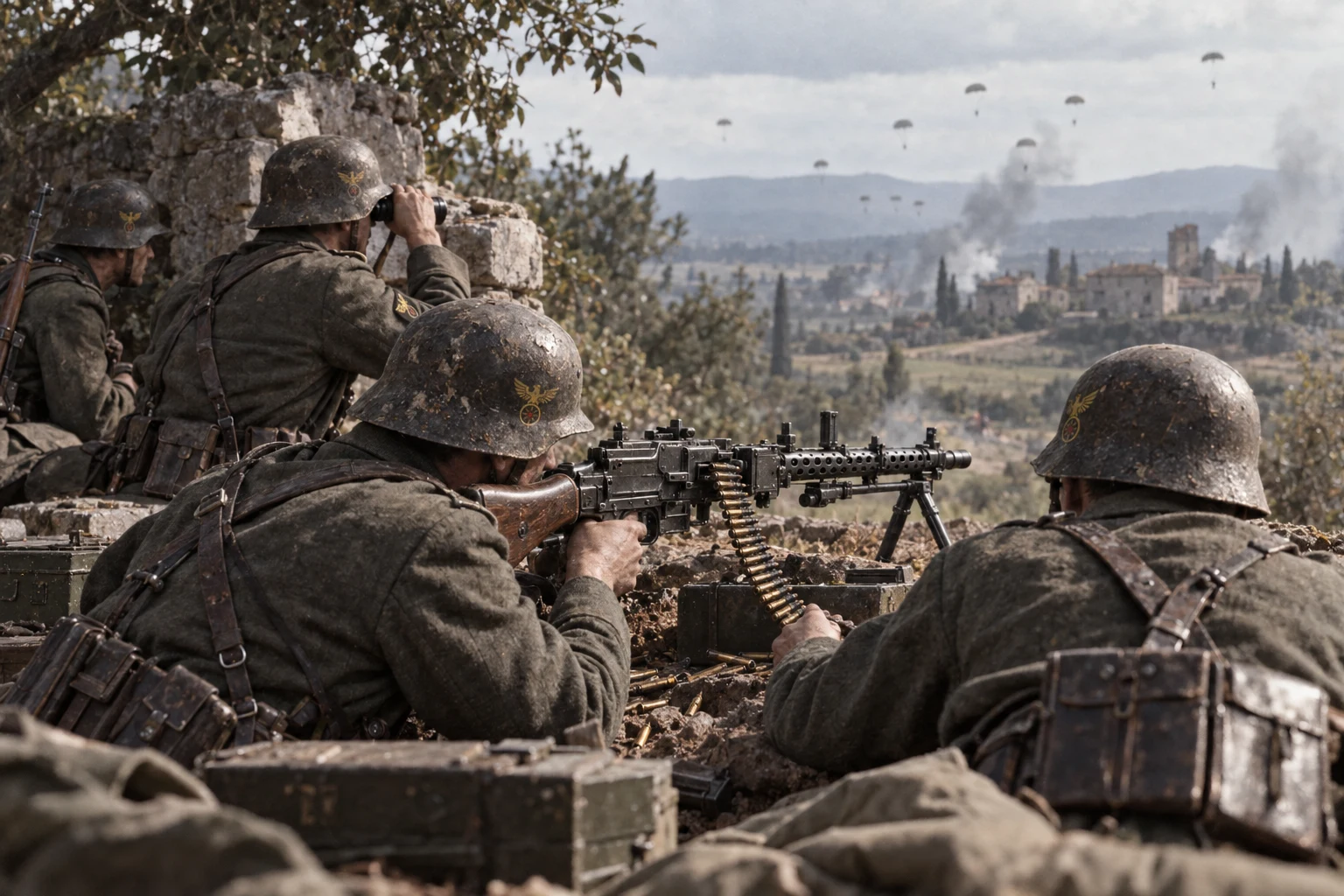
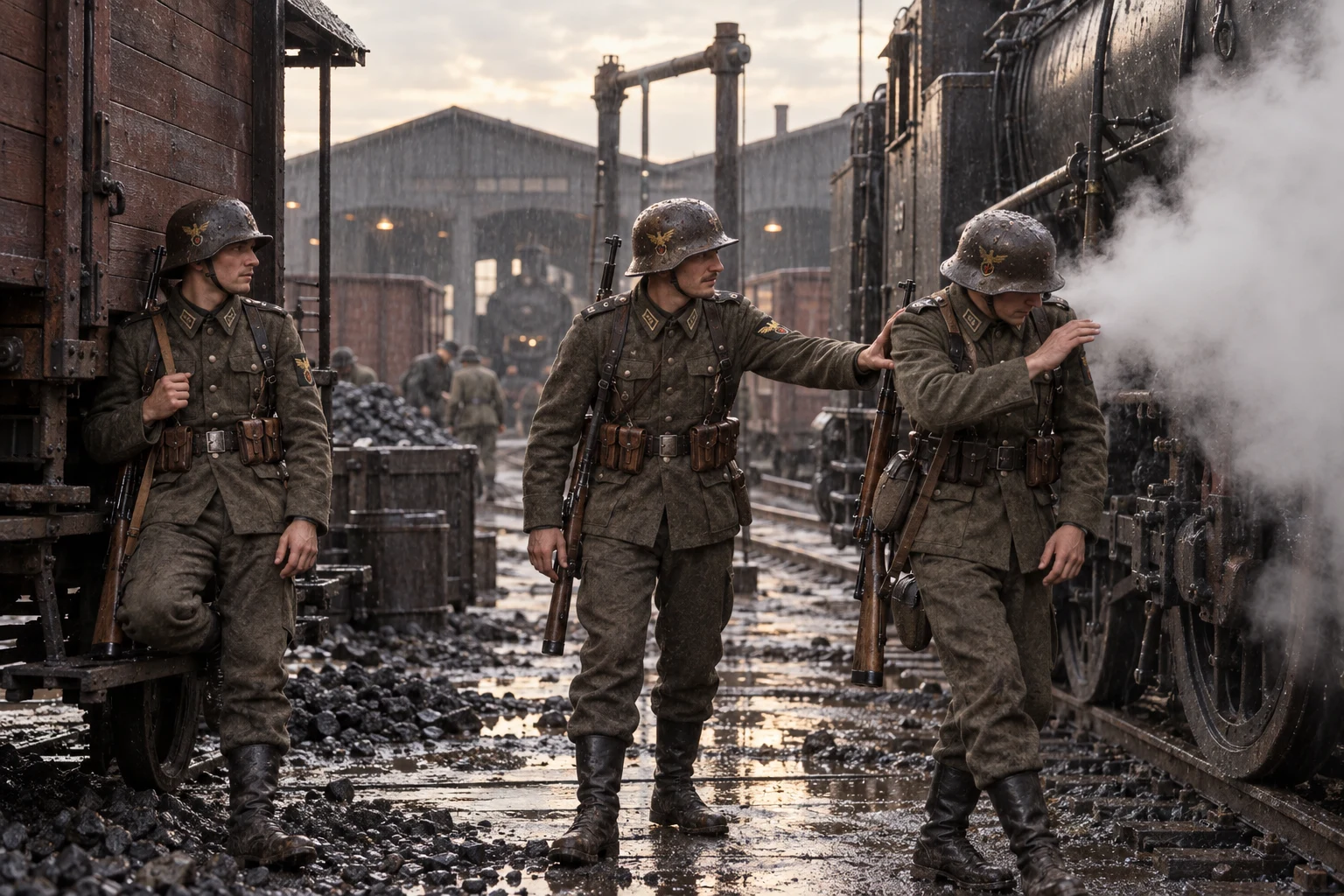
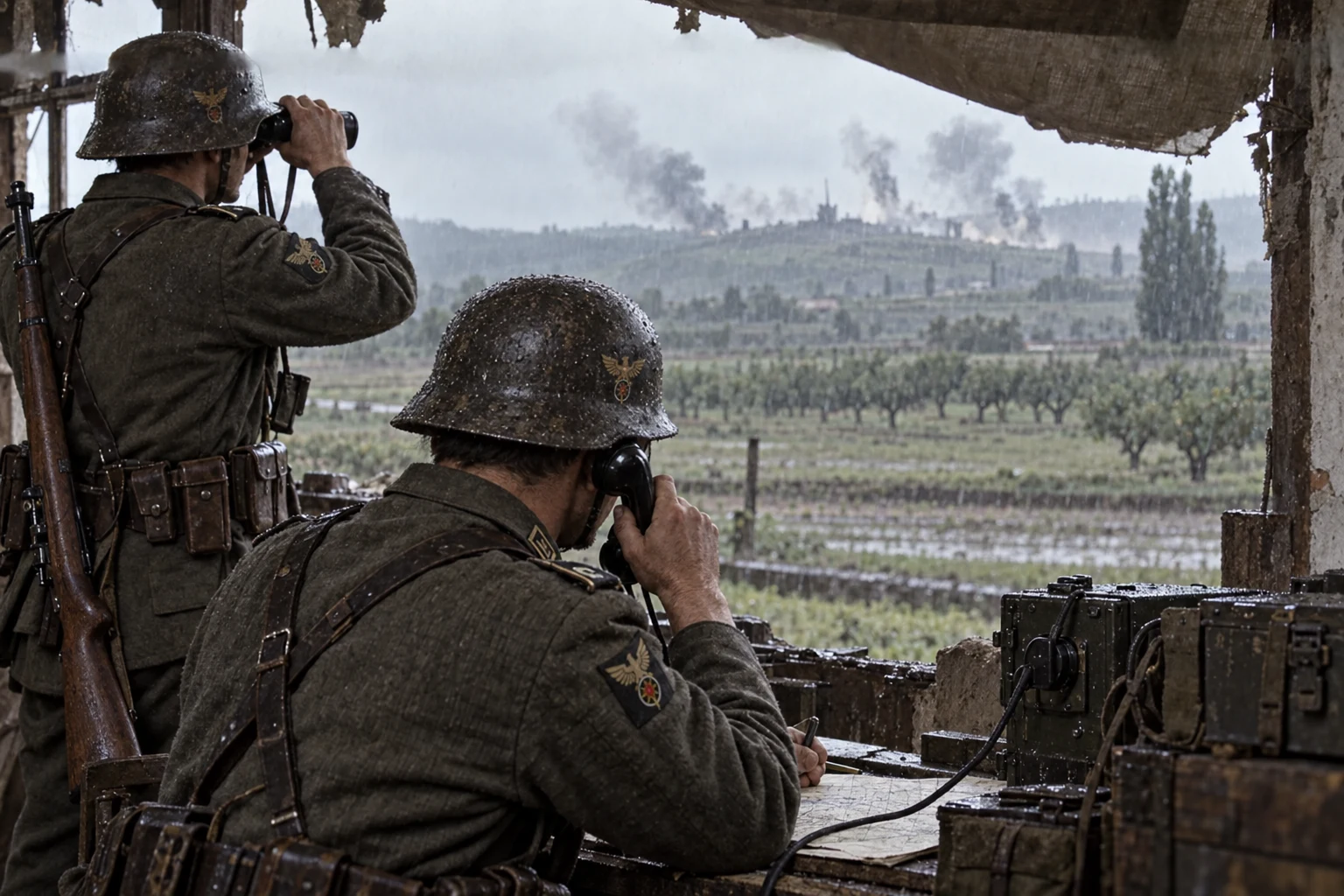
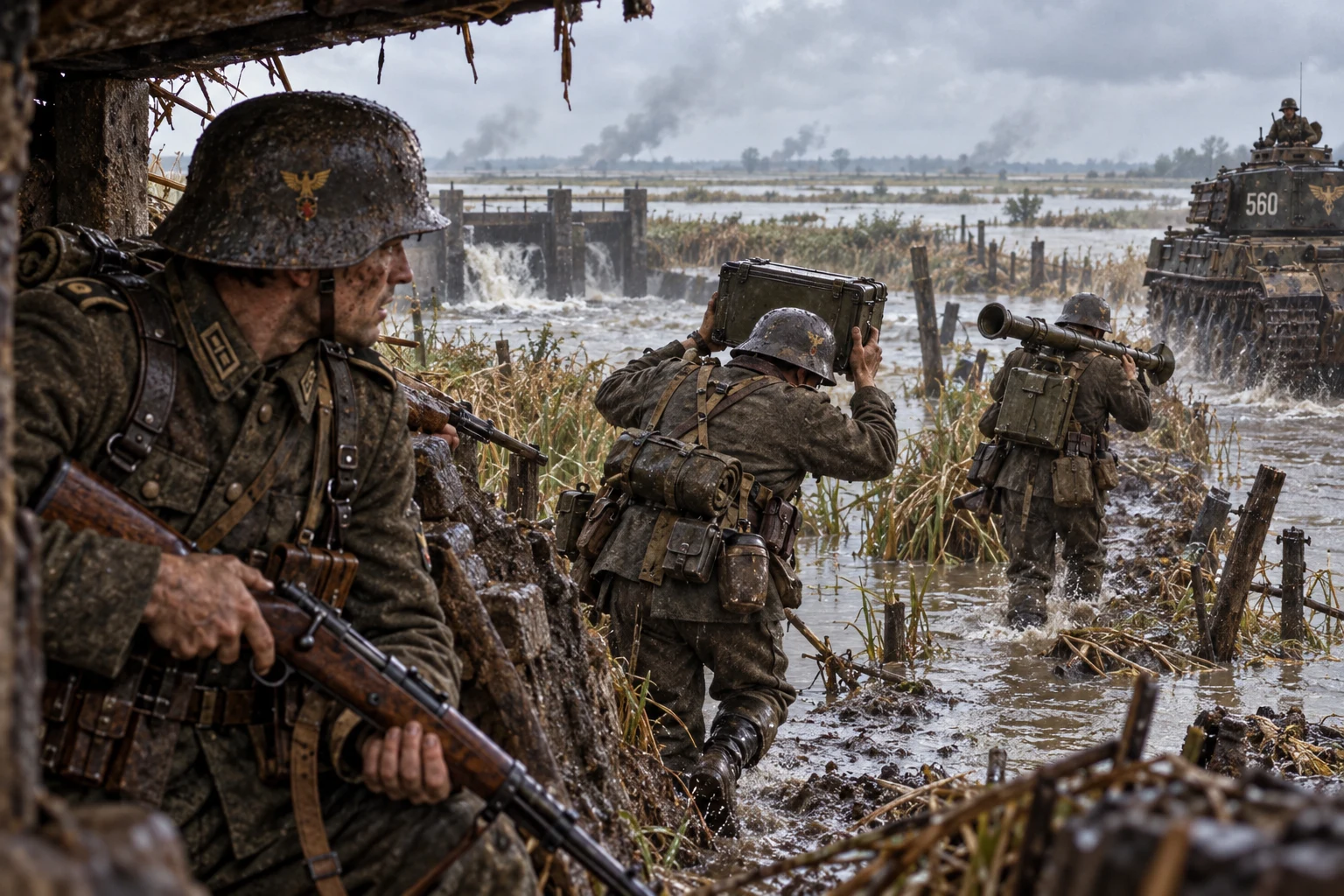
Original archive artwork and captions are preserved. Dates, labels and claims printed within inherited images belong to the previous edition; the revised text governs the current history.