Athenor
Athenor is a nation of Volara. Its eventual alignment in the Second World War was allied.
Government in 1580
The government in 1580 was a pure direct democracy.
Constitutional premise. Athenor is a Volaran pure direct democracy whose roster head of state is First Speaker Calen Oris. Its Civic Compact makes the registered electorate the final legislature. The First Speaker is a presiding officer elected for two years by a national preferential ballot, not a president empowered to write laws. The Speaker represents the state in formal ceremonies and convenes the National Civic Assembly, but executive orders require statutory authority and cannot displace an electorate vote. Eligibility for the speakership requires citizenship, five years of public residence, and no current paid government contract.
Citizen legislation and votes. Any 2,000 citizens may place a proposal on the public drafting docket. After a ninety-day comment period and a neutral fiscal analysis, signatures from two percent of registered voters put an ordinary measure on the next quarterly ballot. An amendment needs five percent and a two-thirds national vote. Each ballot presents one clear legal text and a separate fiscal estimate; competing measures affecting the same statute are ranked by votes only if a preannounced consistency rule resolves conflicts. A secret-ballot system uses public paper audit samples. There is no permanent national lawmaking parliament. A 72-person Deliberation Council chosen by civic lottery reviews proposals, hears experts, and publishes plain-language summaries, but cannot veto the final vote.
Executive administration and localities. Seven elected Administrators of Finance, Health, Education, Works, Justice, External Affairs, and Defense carry out enacted measures for four-year terms; the First Speaker coordinates meetings but cannot fire an Administrator for a policy disagreement. Municipal assemblies decide local rules and elect service boards. National and municipal measures cannot contradict the Compact's rights guarantees. A Civil Service Office hires career staff through examinations, insulated from quarterly ballot campaigns. A publicly funded Ballot Service translates measures into accessible formats and must print arguments submitted by qualifying supporters and opponents in equal space.
Courts, rights, and money. The nine-judge Compact Court, selected jointly by legal professional panels and a vote of citizens for single twelve-year terms, can set aside a measure that violates protected speech, equal citizenship, fair trial, or the unchangeable ban on forced service. It cannot invalidate a measure merely because judges dislike its fiscal impact. A budget proposal is prepared by the elected Finance Administrator and approved annually by voters; rejection continues basic services at old levels for ninety days while a revised proposal is submitted. Borrowing above a published ceiling requires a dedicated vote showing expected repayment. Individual petitions for unlawful official conduct begin in ordinary courts.
Force and emergency. The Defense Administrator sets policy under voter-approved statute, and a professional commander leads operations. Immediate defense is allowed for fourteen days; continuing war requires a national vote, except when voting is physically impossible, in which case the Compact Court may grant one short extension. A disaster order lasts seven days without a public vote. The system's tradeoff is visible in a fast-moving crisis: no leader can claim unlimited public consent from one election, yet the public must receive accurate options rapidly enough to govern well.
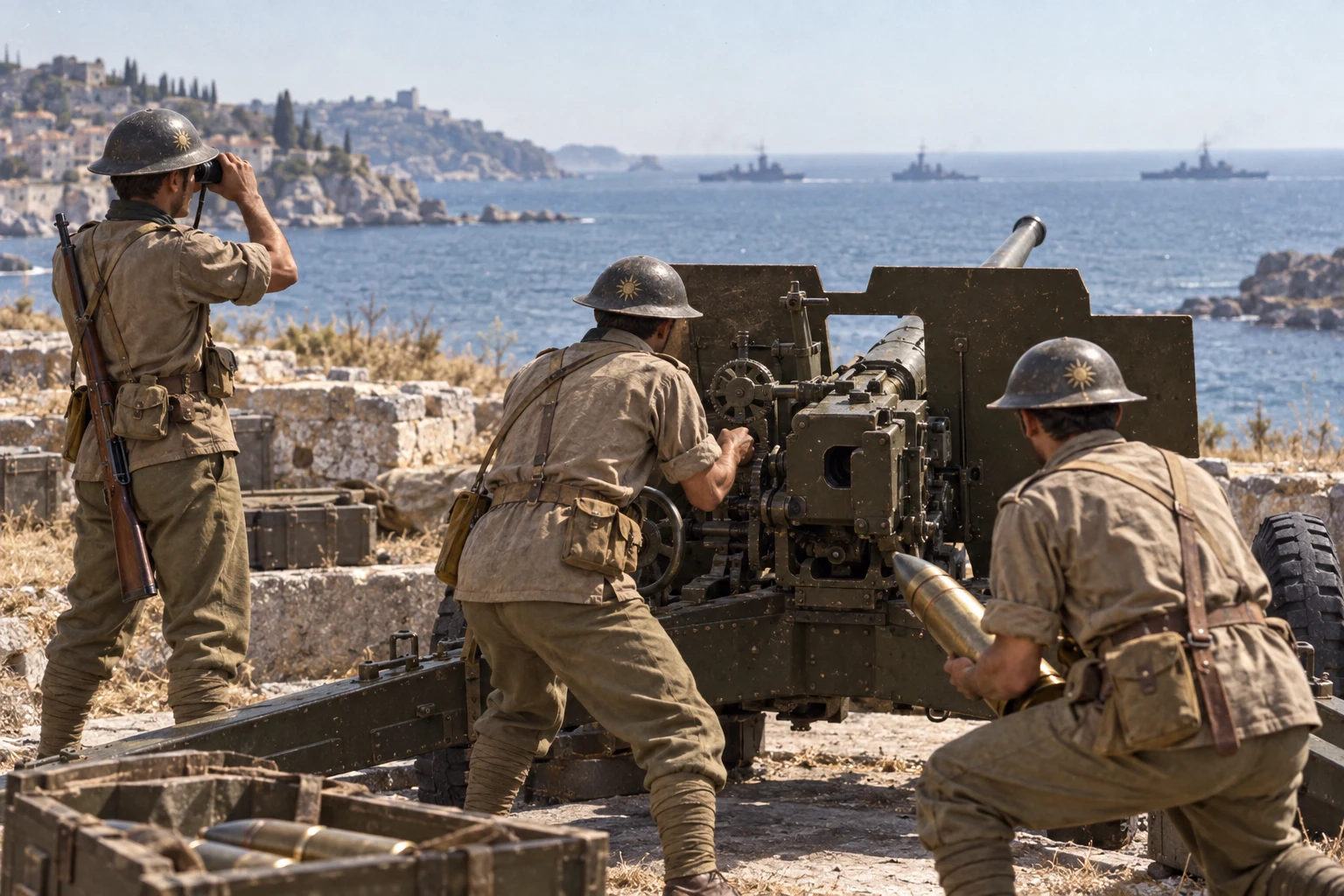
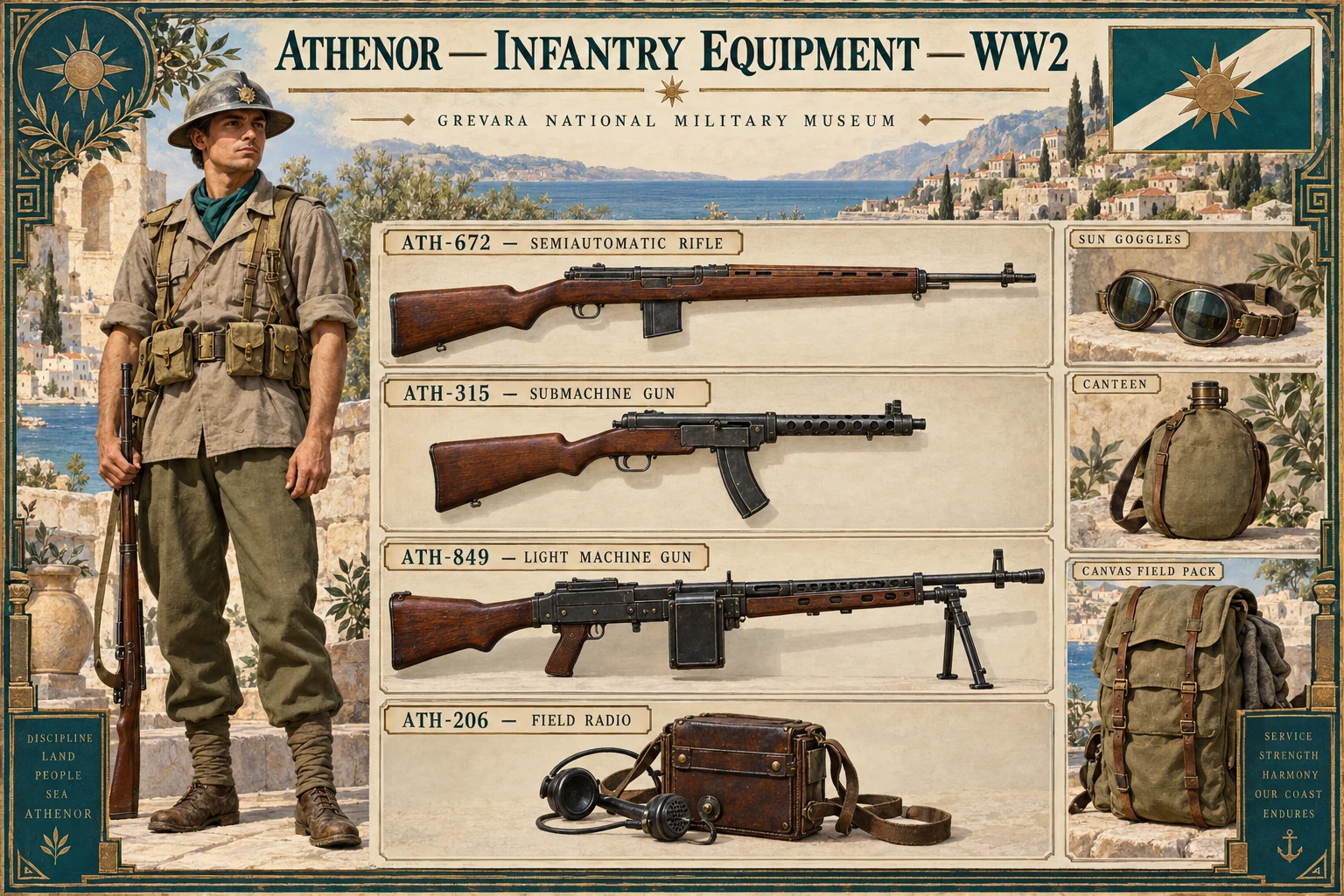
Original illustrations for this source record
Original archive artwork and captions are preserved. Dates, labels and claims printed within inherited images belong to the previous edition; the revised text governs the current history.