Aldvik
Aldvik is a nation of Larvan. Its eventual alignment in the Second World War was allied.
Government in 1580
The government in 1580 was a constitutional monarchy.
Kingdom and constitutional principle. Aldvik is a constitutional monarchy in Larvan's Western Tundra, with King Eirik IV as the roster's current head of state. The Winter Charter converted royal compacts with coastal towns and interior herding communities into a binding constitution. The King is a unifying symbol and retains limited reserve duties; a Prime Minister chosen by an elected Riksal governs day to day. The Charter recognizes that a scattered northern population needs local authority, reliable winter supply, and legal restraint on requisition. Emergency weather powers are consequently more developed than powers to suppress political dissent.
Crown and succession. The eldest eligible child inherits regardless of sex. A claimant must be a citizen and swear the Charter at age eighteen. A Royal Council of nine witnesses the accession and appoints a Regent when medical experts and a two-thirds Riksal vote find the King unable to perform duties. The King's formal functions include commissioning the Prime Minister nominated by the Riksal, promulgating law, receiving envoys, and presiding over a nonvoting Defense Council. The King may request a constitutionality opinion before promulgation but cannot refuse a court-certified lawful statute. The household's public grant is separately audited by the Comptroller of the Crown.
Parliament and elections. The Riksal has 150 members elected every four years. Ninety seats come from regional proportional lists and sixty from local districts using ranked voting. The list seats correct population imbalance between coastal settlements and interior communities; a national party needs four percent for ordinary list seats, but a geographically concentrated minority party that wins a district retains its seat. The Riksal elects the Prime Minister by an absolute majority in an initial ballot, with an open runoff after fourteen days if necessary. It may replace a Prime Minister by constructive no-confidence. The King has no power to keep a cabinet that has lost the confidence vote.
Cabinet, counties, and towns. The Cabinet includes Winter Provision, Fisheries, Land and Herding, Transport, Health, Education, Finance, Justice, External Affairs, and Defense. Aldvik has nine counties with elected councils and county chairs. Town councils run heat networks, harbors, primary schools, and fire response; county councils coordinate hospitals and winter roads. Interior councils recognize seasonal herding routes as public rights of passage subject to judicially reviewed conservation measures. A minister cannot close a traditional route permanently by signing a commercial mining license without the county hearing and compensation process required by law.
Courts and constitutional remedies. The High Court of the Charter has seven justices, appointed by the King on a joint recommendation from the Riksal's legal committee and Judicial Council for single twelve-year terms. Regional courts handle ordinary civil and criminal cases. The Charter Court reviews rights, tax competence, royal accession, and winter requisition challenges. Mobile judges travel to remote counties, and electronic testimony is allowed when a road closure makes travel dangerous, subject to defense rights. The independent Ombud of the North can inspect detention centers, shelters, and emergency supply stores and bring a claim before the Court without a private plaintiff.
Law, taxation, and appropriations. Members and Cabinet may introduce bills; a local council consortium of at least four counties may demand a Riksal committee hearing on a proposal affecting county powers. The Riksal passes ordinary statutes by simple majority, the King promulgates, and the courts review constitutionality. The state taxes income, resource extraction, and fisheries under transparent national statutes; local councils levy property and harbor fees. A sovereign winter reserve is funded in good years and may be drawn only for statutorily defined relief or by a two-thirds Riksal vote. Auditors publish reserve balances quarterly. Failure to pass a budget continues basic heating and hospital grants for three months, with new industrial projects paused.
Rights and political participation. The Charter guarantees speech, worship, association, counsel, property subject to fair acquisition, labor organization, and equality between coastal and interior citizens. Communities may use their own languages in county offices and schools where there is demand. Courts can remedy discriminatory distribution of winter fuel. Demonstrations outside Parliament are lawful even during snow emergencies unless an identifiable safety need requires a narrow rerouting. Public records include procurement and land leases, with a limited exception for active military operations and private medical information.
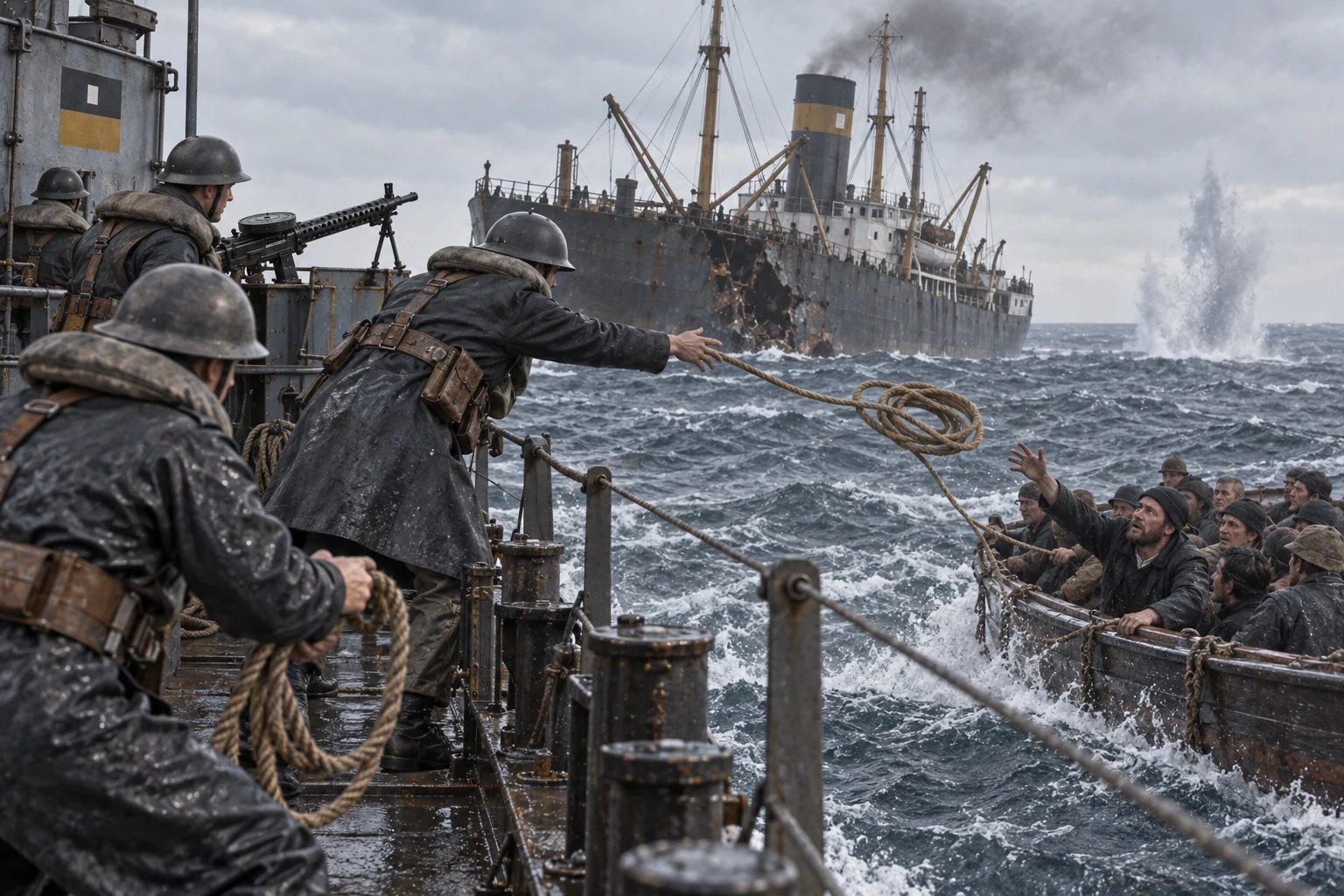
Military and external commitments. The Prime Minister and civilian Defense Minister command policy; a Joint Northern Staff manages the armed forces and coast guard. The King attends ceremonies but cannot order troop movements. A legislative majority declares war; a direct attack may be repelled immediately, with Riksal review within fifteen days. Coast Guard rescue duty cannot be suspended because a foreign vessel carries an unpopular flag. An external basing treaty needs a two-thirds Riksal vote and a public impact report for affected counties.
Emergency and system stress. A severe-weather order may requisition vehicles or fuel for ten days, with compensation and court review. The Cabinet must publish the affected area, hazard assessment, and expiration; the Riksal must extend it. It may delay polling in a physically inaccessible district for no longer than twenty-one days, with the Electoral Board arranging safe voting, but it cannot cancel the whole national election. The constitutional tension is between fast winter logistics and the rights of small communities that might otherwise be sacrificed to protect a larger coastal city.
Original illustrations for this source record
Original archive artwork and captions are preserved. Dates, labels and claims printed within inherited images belong to the previous edition; the revised text governs the current history.