A counterstroke with several purposes
The Allied operation in eastern Pavren ran from May 4 to May 26, 1209. Its central transport objective was the Veylan sidings, a freight connection near farms and workers' housing. Pavren wanted evidence that coalition participation could restore occupied territory. Hestunian planners wanted a shorter threatened front and forces released for the defense of Havera's approaches. These purposes could support the same attack without assigning the same value to its duration, losses or result. The inherited account makes that distinction before describing the fighting. A coalition offensive did not begin with a single uncontested definition of success. Recovering territory served political confidence, while recovering a usable transport system served the next operational stage. If territory changed hands without the system becoming usable, the participating governments could receive different answers to the question of whether the effort had advanced their interests.
The plan expected initial gains to restore railway movement quickly enough to sustain further advances. This assumption linked combat success to engineering work without adequately accounting for the work already consuming available labor. Pavren officers had warned about drainage ground after rain, but the warning remained a transport qualification rather than prompting a changed attack. The failure was not ignorance that weather and ground mattered. It was the treatment of a known difficulty as something support organizations would solve during an otherwise unchanged movement. Engineers responsible for the proposed repair were also keeping existing approaches usable. Their presence on an establishment list could therefore be mistaken for labor available at the new objective. The counterstroke's later difficulties arose partly from commitments made before the first assault, when the plan assigned the same limited support capacity to existing service and anticipated restoration.
Haren Vol’s brigade group and incomplete common practice
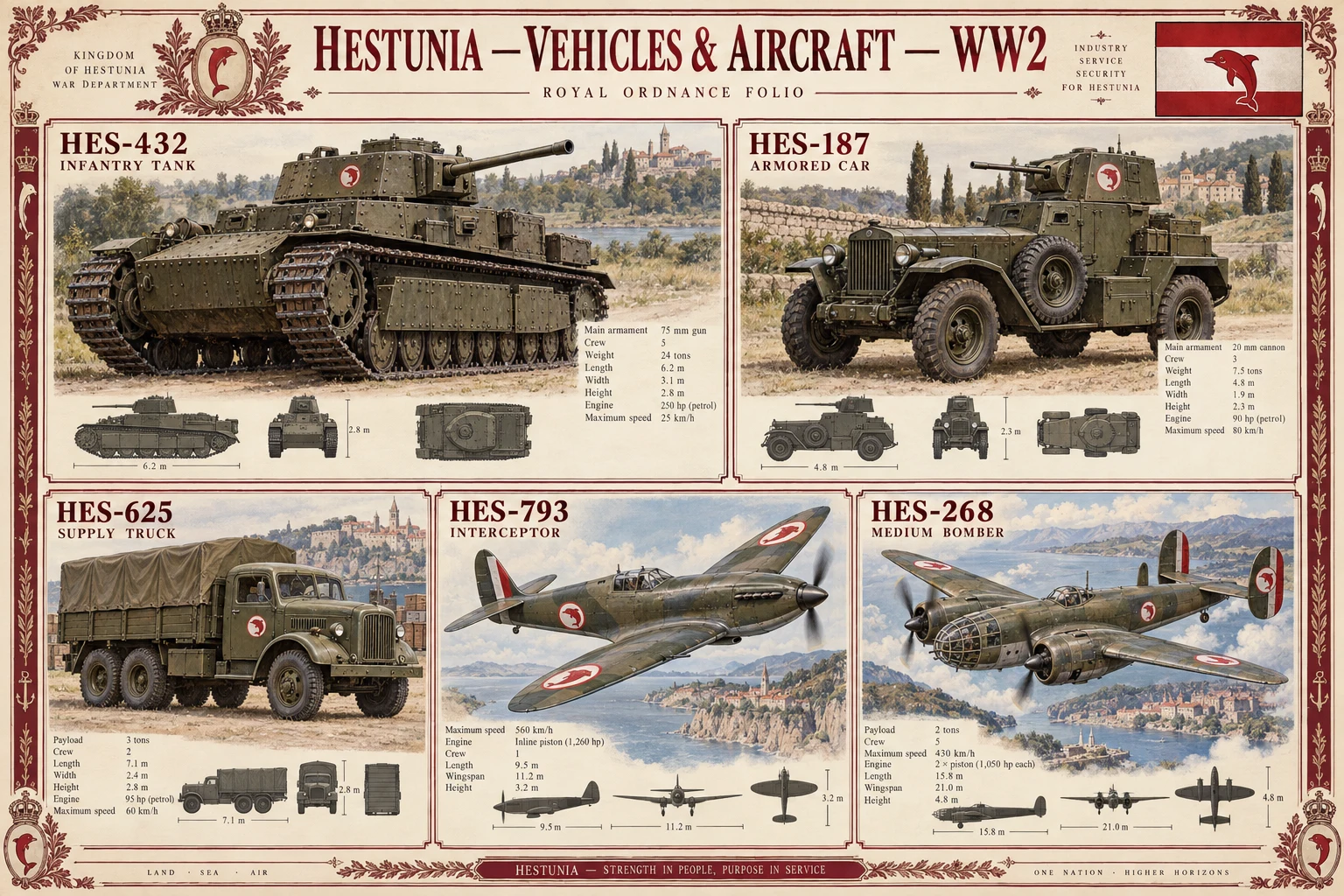
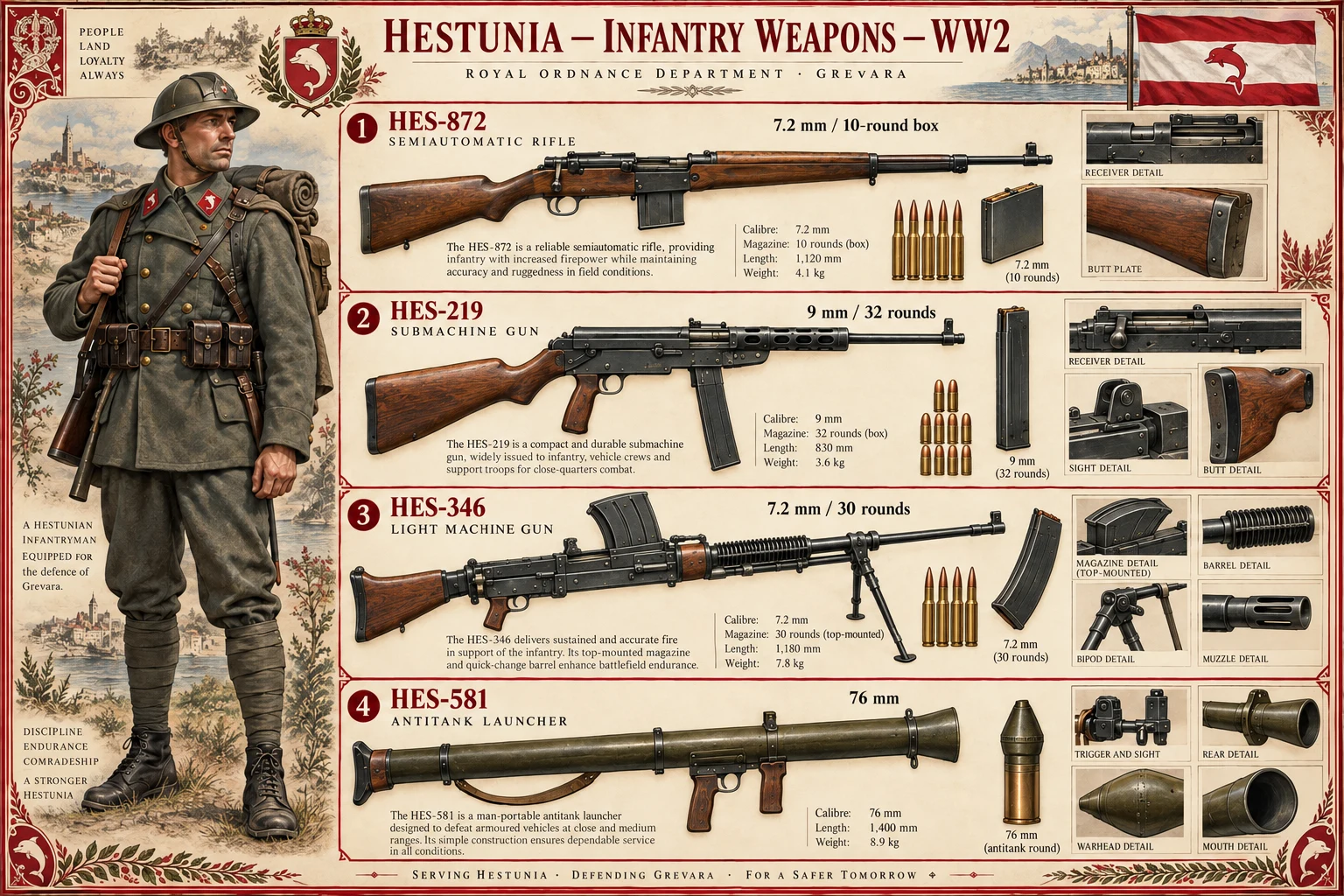
Colonel Haren Vol coordinated the leading Pavren brigade group and received Hestunian support units shortly before the operation. Their equipment increased capability, but divergent reporting procedures reduced the ease with which that capability could be used. A request treated as urgent by one headquarters might enter the other's ordinary queue. Liaison officers could clarify messages without immediately creating shared habits across the formation. This difference should not be described simply as national rivalry or deliberate obstruction. The inherited account supplies an institutional mismatch, not proof that either partner wanted the other to fail. Vol knew the formations' designations more confidently than their practical readiness. A coalition order of battle might therefore appear more coherent than the relationships necessary to move supply and assistance through it. Before combat tested those relationships, the limited interval for preparation concealed part of their weakness.
The problem was especially serious because the operation's timetable depended on support following the assault closely. A delayed request did not merely inconvenience an office; it could separate a forward unit from medical equipment, communications gear or engineering assistance at the point where these were needed most. The cost of a mismatch consequently depended on time and location, not just on whether the equipment eventually arrived. The presence of liaison officers remains evidence of an attempt to manage the difficulty, and their inability to eliminate it should not erase that effort. At Veylan, coalition cooperation was real but unfinished. Describing it in those terms preserves both agency and limitation: officers recognized differences and worked across them, yet the operation began before their remedies had matured into reliable common practice. The attack tested a system that was still being assembled.
The first gains and Hukular’s choice of ground
The May 4 attack recovered forward positions and produced reports of a weakening enemy defense. Hukular's local commanders had yielded ground difficult to supply while conserving reserves for more useful positions behind it. Allied observers correctly saw retreating parties but inferred a broader withdrawal. The evidence could therefore be accurate at the level of movement and misleading at the level of intention. This distinction explains why an encouraging first summary did not guarantee the later opening that planners expected. Hukular's defense was active in its selection of what to retain and what to relinquish. It did not have to contest every field to resist the offensive effectively. The initial Allied success was a real recovery of ground, but its operational meaning depended on what that ground allowed the attacker to do next and on where the defender had concentrated.
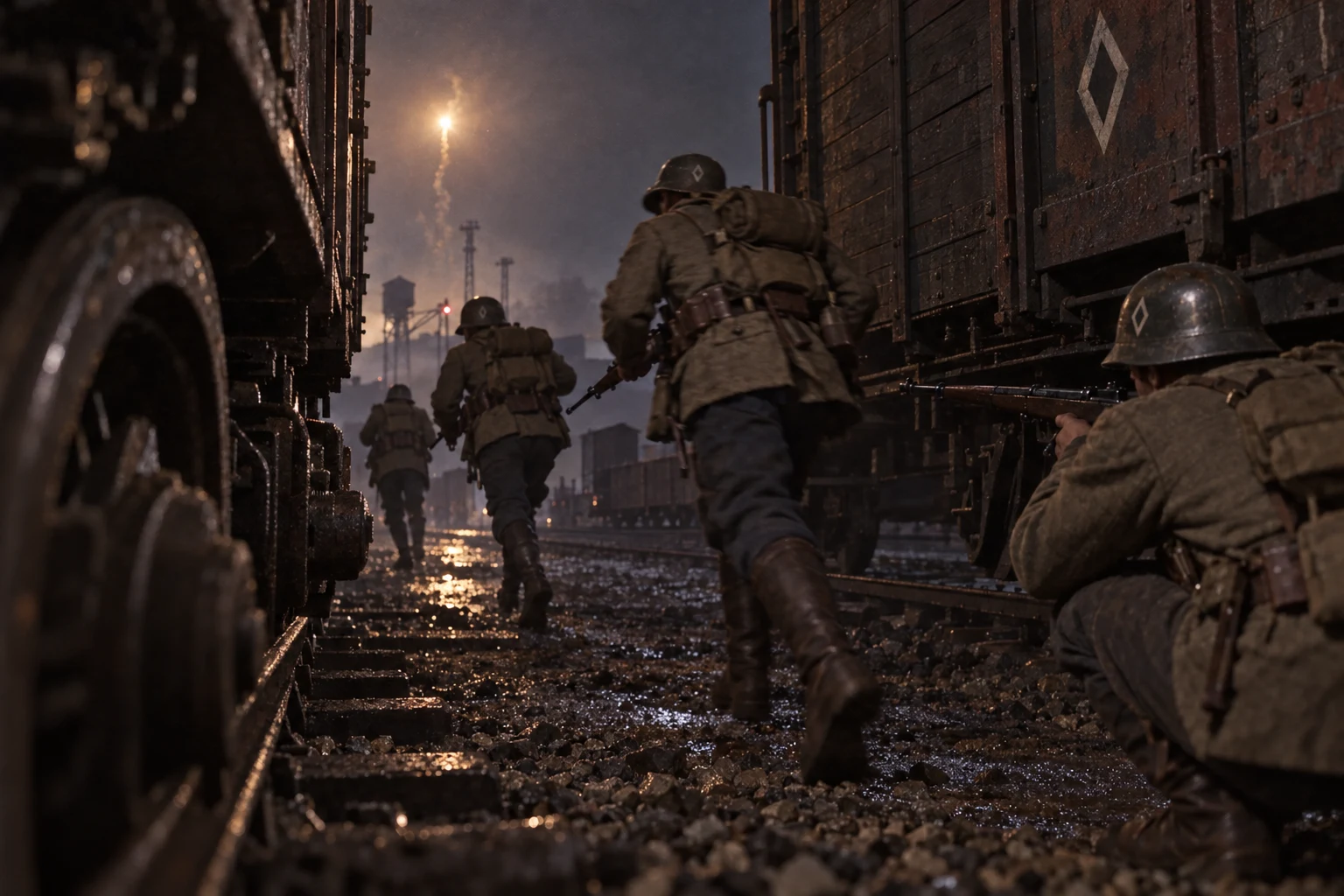
Vol's infantry reached the sidings' edge on May 6. Facilities were badly damaged, and a workshop listed by reconnaissance as destroyed contained defenders. Fighting there slowed adjacent movement and opened a gap between the advancing center and its support. Headquarters continued to show a continuous line because no message stated clearly where it had broken. The map's error emerged from the absence of a particular negative report rather than from the invention of units. This matters to the causal explanation. Reports describing achievements at separate locations could be assembled into an apparent continuous advance without anyone confirming the connections between them. A damaged workshop and a reporting gap thus reinforced each other: the physical obstruction delayed the troops, while the informational obstruction prevented headquarters from recognizing immediately how the delay had altered the whole arrangement.
Rain and the labor hidden inside a strength return
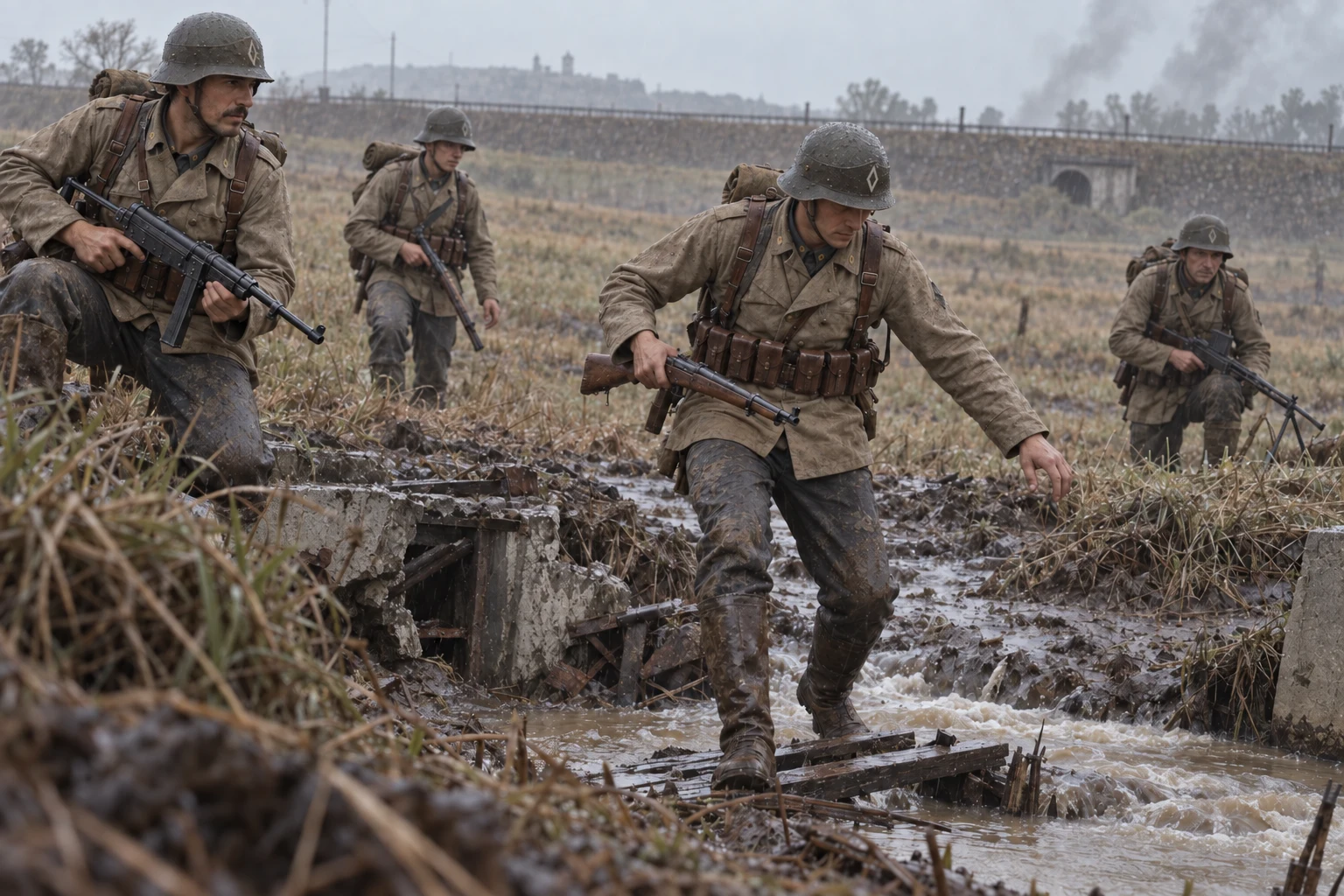
Rain over the following two nights concentrated traffic on a few dependable surfaces. Ammunition continued reaching forward units, but food, medical equipment and replacement communications gear arrived less reliably. Soldiers carried loads intended for carts and returned exhausted. Their labor preserved some delivery while consuming energy available for the next attack. Because those men remained present, ordinary strength returns did not show the reduction as a straightforward loss of personnel. This is a central feature of the battle, not an incidental discomfort. The attack's immediate capacity was being spent on sustaining its own foothold. An apparently stable number of men could conceal a shrinking number capable of another movement after transport, casualty handling and other indispensable duties were performed. Rain acted through traffic and human workload, rather than as a detached explanation that weather alone defeated the offensive.
The distinction between arrivals and restoration also shaped the effect of replacements. Reinforcing the group added people but could not immediately recover knowledge of routes, buildings and neighboring formations lost through casualties and disruption. New men needed orientation while existing soldiers still performed the work keeping positions supplied. Vol's argument that the force was less capable despite replacements therefore addressed a functional deterioration, not a rejection of additional personnel. The source provides no overall force totals from which to calculate the exact scale of that deterioration. Its clearest evidence is the subsequent company return separating immediate fighting availability from administrative presence. The transport difficulty should accordingly be explained through the duties and delays actually described, without manufacturing a quantitative readiness index. What can be established is that the forward position demanded more of its holders than the original timetable had allowed.
A selective counterattack against an expensive foothold
Hukular counterattacks concentrated on congested places rather than attempting to recover every field. Around the workshop district, renewed fighting isolated a Pavren company for much of May 10. The company reported enough ammunition and insufficient water. Headquarters treated the latter as a request that could wait for the next delivery, and wounded people went many hours without treatment before help arrived. Adequate ammunition had not made the position sustainable. This episode resists an explanation centered exclusively on combat supply. Water, medical access and the labor of movement were part of the fighting arrangement, and a message's priority could determine their practical availability. The source does not establish that headquarters intended to neglect the wounded; it establishes that its classification of the request failed to match the urgency at the position.
The Allies reinforced the advance as uncertainty and political pressure sustained hopes that another effort might turn the foothold into the intended success. It would be incomplete to attribute continuation only to politicians. Some commanders still believed the operation could work, and uncertainty about the enemy and the forward force encouraged another attempt. Vol recommended a pause because the group's functions were deteriorating. That recommendation was accepted only after a further limited attack failed. Meanwhile Hukular obtained an operational effect without undertaking an expansive counteroffensive. By contesting points where Allied movement was already difficult, its forces increased the burden of holding ground. The pattern reflects competent selection of local advantages and does not require an unsupported claim that every counterattack was coordinated through a single detailed master plan. The inherited account's scope is local, and the interpretation should remain proportionate to it.
A farm hospital within a civilian economy
Medical officers reorganized evacuation through a farm complex during the pause. Some of the owner's family had left, while relatives remained with livestock. Their knowledge of dry storage and a contaminated well assisted the hospital's operation. This is a concrete example of civilian agency within the battle's support system. The relatives were not simply passive recipients of military protection: they supplied information necessary to avoid preventable difficulty. At the same time, the hospital altered their position. Its presence protected some supplies from requisition while consuming others. Military medical work could preserve civilian property from one demand and subject it to another. The account gives no basis to describe the relationship as uniformly beneficial, wholly coercive, or free of negotiation. Its significance is the interdependence that ordinary supply inventories failed to record.
The farm's human and material contributions challenge a clean division between the front and its civilian surroundings. Food, water, storage, animals and local knowledge supported military endurance, while the fighting affected the conditions under which those resources remained available. A farm complex could become essential to evacuation without becoming a permanent military installation. Nor should the departure of part of the family erase the decisions of those who remained. They retained responsibilities and faced risks different from those of soldiers temporarily using the property. Recognizing these differences gives the operational explanation greater precision. The hospital functioned partly because cooperation translated civilian knowledge into usable medical space. It also illustrates why successful local adaptation could coexist with the failure of the wider attack: reorganizing evacuation improved treatment and withdrawal capability without resolving the unrecovered rail objective or restoring the force's original offensive capacity.
Seventy-three available and one hundred eighteen present
The strongest numerical evidence in the inherited account comes from the company on the weighing platform. Its commander reported seventy-three men fit for immediate duty, while the battalion counted one hundred eighteen present. The difference included stretcher bearers, prisoner guards, runners and people temporarily unable to make another movement. Neither count necessarily invented personnel. They answered different questions, and the error arose when the administrative answer was used as if it described immediate fighting capacity. Those essential duties did not disappear when headquarters wanted another attack. Counting their performers as simultaneously available for that attack transferred an unresolved burden into the plan. The figures therefore support an analysis of classification rather than a calculation of casualties or a claim that forty-five men had deserted. The source expressly explains the difference through continuing tasks and temporary limitation.
On May 11, Vol requested similarly separated company returns. Replies arrived unevenly and showed a smaller immediate reserve than the map implied. Officers favoring continuation argued that he treated ordinary duties as exceptional incapacity; he answered that someone still had to perform them after another movement began. A later review adopted the distinction for his brigade group, but the account explicitly rejects an instantaneous perfect coalition system. Some commanders continued presenting flattering totals, while others lacked clerical capacity for more elaborate reporting. This limit protects the episode from an invented reform narrative in which a single document fixes the entire army. At Veylan, improved reporting came too late to rescue the offensive. Its continuing value lay in helping the surviving formation identify what needed rebuilding, rather than accepting the arrival of replacements as confirmation that every lost function had been restored.
An objective judged by its promised function
Veylan's failure can be defined without treating every recovered field as worthless. Peripheral gains might matter locally, but the plan assigned the sidings a role in supporting a wider advance and relieving other fronts. That role was the appropriate test of the operation's central promise. The sidings did not become a sustainable transport connection, and the attacking group consumed capacity while attempting to hold its foothold. Recognizing this difference helps explain why political announcements celebrating early movement became damaging later. They presented a change in the front as evidence that a larger practical result was already approaching. The subsequent withdrawal exposed the gap. The same reasoning also limits retrospective condemnation: a local success was not false merely because it failed to yield the promised function. The mistake was in converting the success into a forecast without accounting for damaged facilities, competing engineering commitments, weather-driven congestion and the defender's remaining reserves. These were connected constraints, not interchangeable excuses attached after defeat.
Withdrawal, political disappointment and retained capability
By May 18, command accepted that Veylan could not be retained at the existing cost. Withdrawal proceeded in stages, beginning with exposed positions. Hukular patrols discovered some departures promptly and missed others. Fighting continued locally after the larger purpose had changed, as Allied units tried to recover wounded people and equipment from positions already marked for evacuation. The ending was therefore not a single orderly disengagement visible to all participants at once. Some movements served no further territorial ambition and mattered because they preserved people or material. A failure to recover the principal objective should not erase those tasks. Conversely, their importance does not transform the offensive into a success. By May 26, the operation retained limited peripheral gains but had failed to obtain the transport connection on which its larger plan depended.
Pavren faced anger over announcements that had portrayed early progress as a breakthrough. Hestunian inquiries emphasized possession of ground without the capacity to supply it. Vol retained his command, and the brigade group spent subsequent months rebuilding. Those consequences followed distinct political and military experiences of the same failure. Hukular demonstrated that it could absorb an offensive through selective defense; the Allies lost confidence in an easy reversal of occupation. The Chronicle connects this battle to the railway defense in Ravell and later fighting in Pavren to trace a recurring problem of usable capacity, without claiming an unrecorded line of doctrinal transmission. Its extended interpretation adds no new events or invented casualty totals. Veylan's central lesson is narrower and better supported: an advance can enlarge the area shown as occupied while reducing the practical condition of the army holding it.