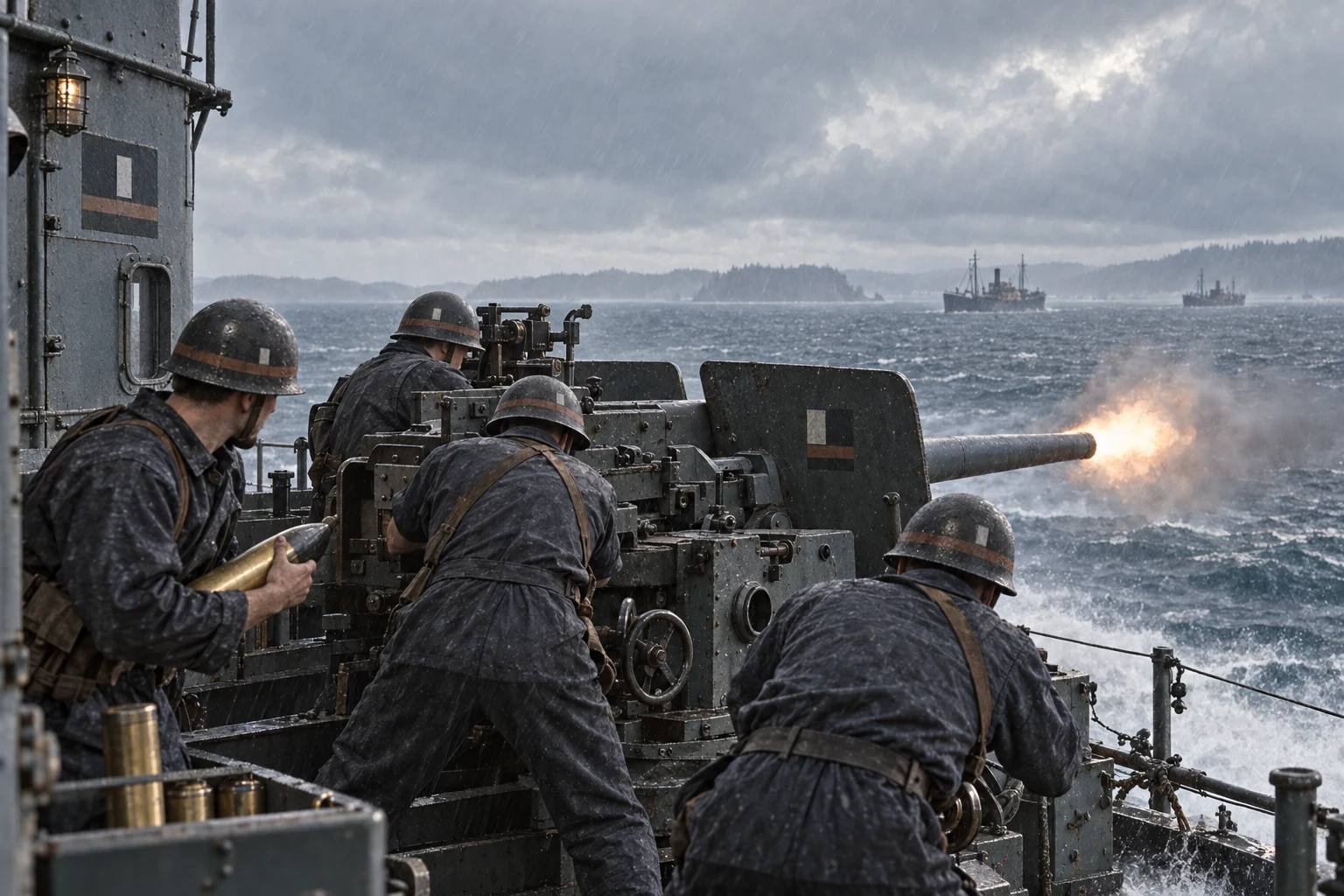
Pavren’s Larek Winter Yard
1214-01-07, Pavren, Volara, Hukular
Hukular won at Larek Winter Yard when Hukular recovered the yard’s freight apron while the Allies retained their larger gains, limiting the immediate scope of their advance.
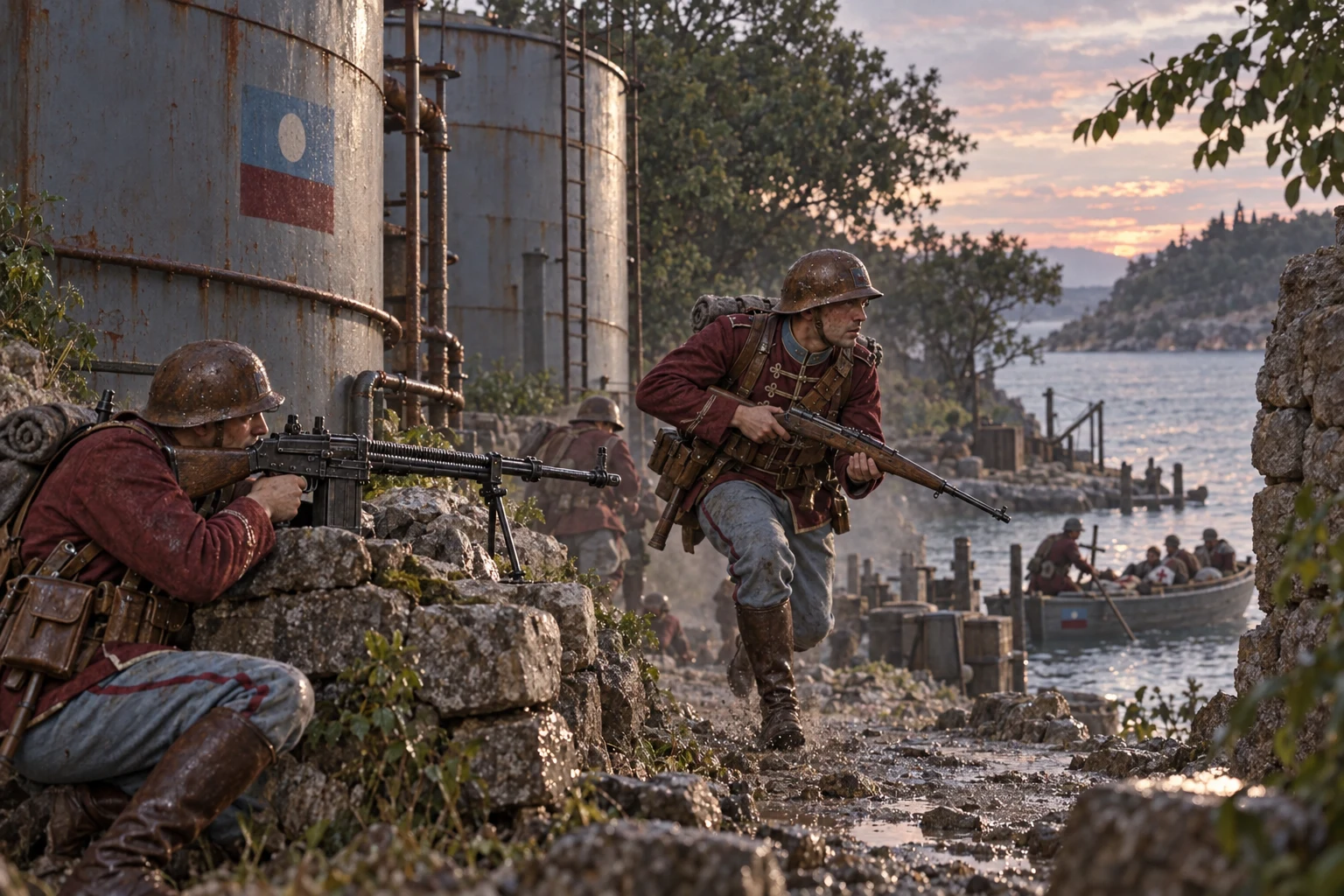
Battle register and national military returns for 1214. The full-length annual chronicle is listed separately when validated.
1214-01-07, Pavren, Volara, Hukular
Hukular won at Larek Winter Yard when Hukular recovered the yard’s freight apron while the Allies retained their larger gains, limiting the immediate scope of their advance.
1214-02-10, Serin, Volara, Hukular
Hukular won at Saval Orchard Neck when the neck fell after its exits were isolated, obliging the support detachment to withdraw through longer upland tracks.
1214-04-13, Garabech Union, Volara, Hukular
Hukular won at Porel Lift Bridge when Hukular secured the tower and one ramp, establishing a usable crossing that sustained the next Western Army concentration.
1214-05-16, Qarim, Gaften, Hukular
Hukular won at Belat Pump House when the secondary junction fell after reconnaissance found its outlet, enabling Hukular to hold the station and maintain pressure in the dry sector.
1214-06-19, Dreska, Viar, Hukular
Hukular won at Kevel Logging Spur when Hukular cleared the transfer point and protected the tracks, securing enough local supply to continue the limited forest campaign.
1214-08-09, Pavren, Volara, Hukular
Hukular won at Heskar Cable Annex when the cabinet and annex were captured together, allowing Hukular to recover two forward positions before the Allied reserve could intervene.
1214-09-12, Serin, Volara, Hukular
Hukular won at Talek Reception Quarry when Hukular took the shelters and ramp junction, reducing the reception district’s ability to repair or redistribute heavy equipment.
1214-10-15, Garabech Union, Volara, Hukular
Hukular won at Horen Battery Farm when the farm’s communication routes were severed, forcing the field batteries back and allowing a substantial Western Army advance.
1214-12-18, Kalanu, Grand Isles, Hukular
Hukular won at Fenaru Slipway when Hukular maritime troops captured the slipway’s usable fittings, depriving the local receiving system of rapid small-craft repair.
1214-02-09, Volara, Tera
Var occupied a branching road before attacking the column’s leading transport. The maneuver separated infantry from guns and forced the relief commander to choose between recovering equipment and reaching the front. The commander diverted surviving infantry to a parallel path. They reinforced the line too late to save the original position, but prevented the breakthrough from becoming a national collapse.
1214-05-11, Volara, Tera
Teran night patrols seized the route used by those runners and blocked the depot road with a small armored detachment. Separate camps received contradictory warnings and failed to assemble a common defense. Several camp officers independently organized withdrawal parties. Their initiative saved trained replacements even as the depot and its equipment fell.
1214-08-13, Volara, Tera
Var’s staff traced recovery tractors rather than tanks and located the workshop behind a low ridge. A combined infantry and artillery strike deprived the counterattacking force of its repair system. Aldren mechanics evacuated specialist tools and disabled machines left behind. The victory reduced operational readiness without requiring Tera to destroy every vehicle in the sector.
1214-11-15, Volara, Tera
Teran scouts captured the road’s crossing point and intercepted dispatch riders. Var attacked the resulting gap only after adjacent infantry confirmed that enemy guns could not cover it effectively. A replacement relay eventually restored communications. By then Tera had taken the reserve assembly ground, forcing another postponement of the Allied relief offensive.
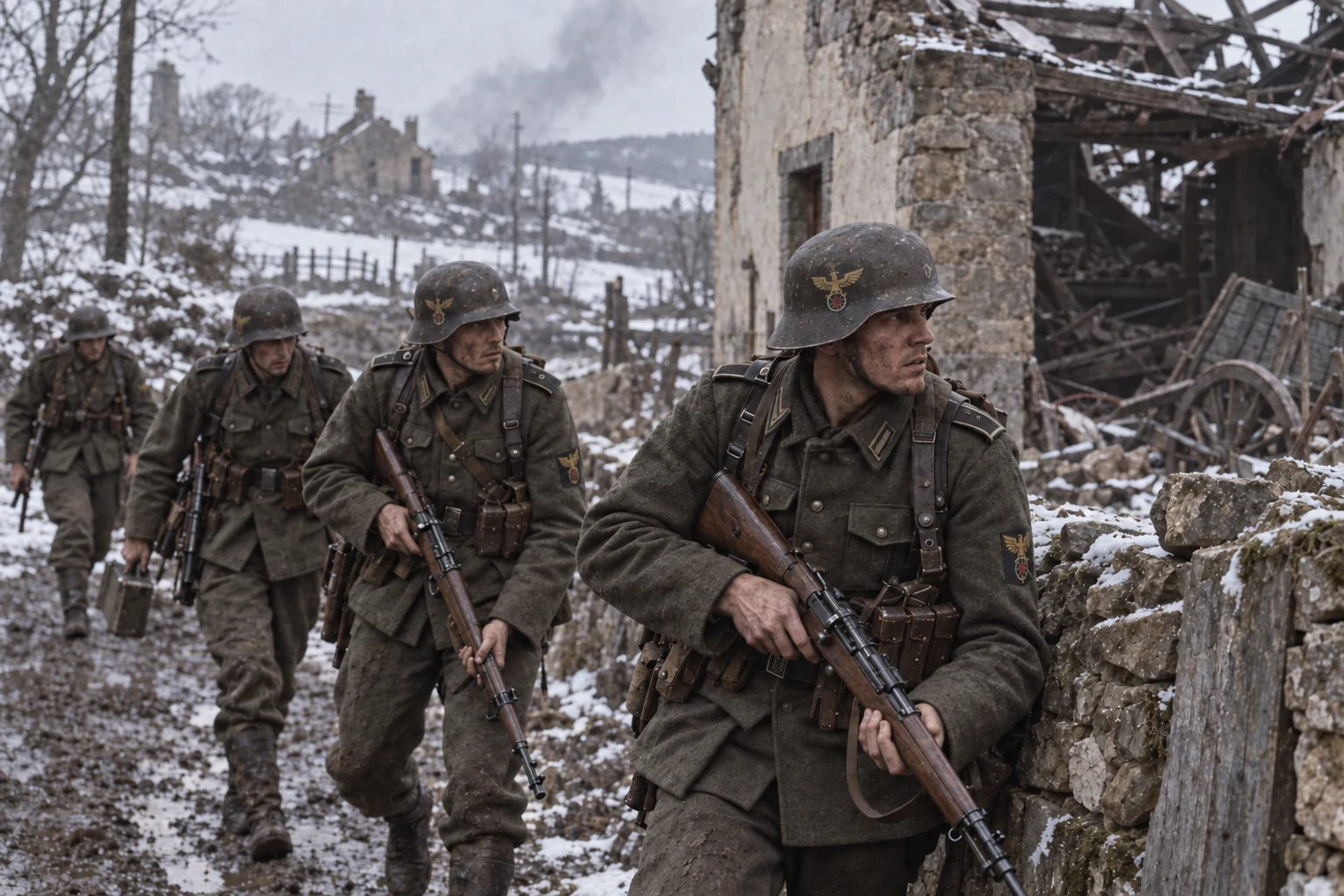
These contextual illustrations accompany the cited national or previous-edition source records. Original captions and printed map details do not establish the outcome, forces or appearance of a newly authored engagement. The revised text governs the current history.