Battle
Read recordVarrel Winter Locks
1210-01-07, Pavren, Volara, Hukular
Hukular won at Varrel Winter Locks when the lock district was retained after reinforcement arrived over marked ice, shortening the exposed Hukular ammunition journey.
Battle register and national military returns for 1210. The full-length annual chronicle is listed separately when validated.
1210-01-07, Pavren, Volara, Hukular
Hukular won at Varrel Winter Locks when the lock district was retained after reinforcement arrived over marked ice, shortening the exposed Hukular ammunition journey.
1210-02-10, Serin, Volara, Hukular
Hukular won at Dorsen Signal Farm when loss of the alternate switchboard eventually interrupted reinforcement, enabling Hukular to occupy two separated reception positions.
1210-04-13, Pavren, Volara, Hukular
Hukular won at Elvena Sluice Apron when the surviving gatehouse fell, allowing Hukular to restore the bank and bring heavier guns into its chosen attack sector.
1210-05-16, Serin, Volara, Hukular
Hukular won at Marven Dairy Ridge when the ridge passed into Hukular hands, forcing the defending battalions to rebuild their communications farther from the reception depots.
1210-06-19, Pavren, Volara, Hukular
Hukular won at Kestrin Culvert Battle when the embankment was captured through the western drainage cut, denying the reserve an immediate path back to the forward line.
1210-08-09, Handistan, Gaften, Hukular
Hukular won at Damar Split Well when Hukular troops and their Ruuyaq partners secured the lower source, supporting a limited advance beyond the sea-fed expeditionary depot.
1210-09-12, Pavren, Volara, Hukular
Hukular won at Koren Clay Basin when Hukular retained the basin’s ridges and recovered most disabled vehicles, widening the corridor rather than claiming a continent-wide breakthrough.
1210-10-15, Naviri, Grand Isles, Hukular
Hukular won at Varnu Receiving Reef when a Hukular support detachment secured the receiving point with Kelonese assistance, establishing a local lodgment supplied entirely by sea.
1210-12-18, Handistan, Gaften, Hukular
Hukular won at Qeran Dry Crossing when the ravine exit was taken, extending the expeditionary force’s practical reach while leaving the deeper Handistani defenses intact.
1210-02-12, Volara, Tera
Orven mapped the pits through repeated short ranging missions and observed the wagons supplying them. A carefully timed counterbattery attack caught the guns during movement between positions. The surviving crews dispersed their shells and withdrew. Tera gained the road after infantry cleared the pits, while the destruction of the gun group deprived Aldren of its planned counterstroke.
1210-05-14, Volara, Tera
Teran infantry seized a lower loading yard and engineers disabled the switch controlling the climb. Orven’s guns then isolated the outpost without wasting shells against its strongest stone shelter. The defenders rationed supplies and sent a rescue request through local guides. A relief force reached the lower slope but lacked the guns to dislodge the yard occupation.
1210-08-16, Volara, Tera
Orven shifted fire to the junction’s armed perimeter while Dalk’s engineers opened a covered approach to the rear wall. The garrison surrendered after its relief route was cut. The surrender saved people inside but transferred them into coercive occupation. The account records military success and civilian exposure separately rather than presenting capture as an uncomplicated rescue.
1210-11-18, Volara, Tera
Orven concentrated smoke against one ridge and destructive fire against the other, creating unequal pressures. A Teran assault occupied the saddle and prevented the two garrisons from exchanging reserves. One garrison fought out during darkness; the other surrendered when ammunition failed. The defenders’ breakout preserved experienced infantry but conceded the southern hinge.
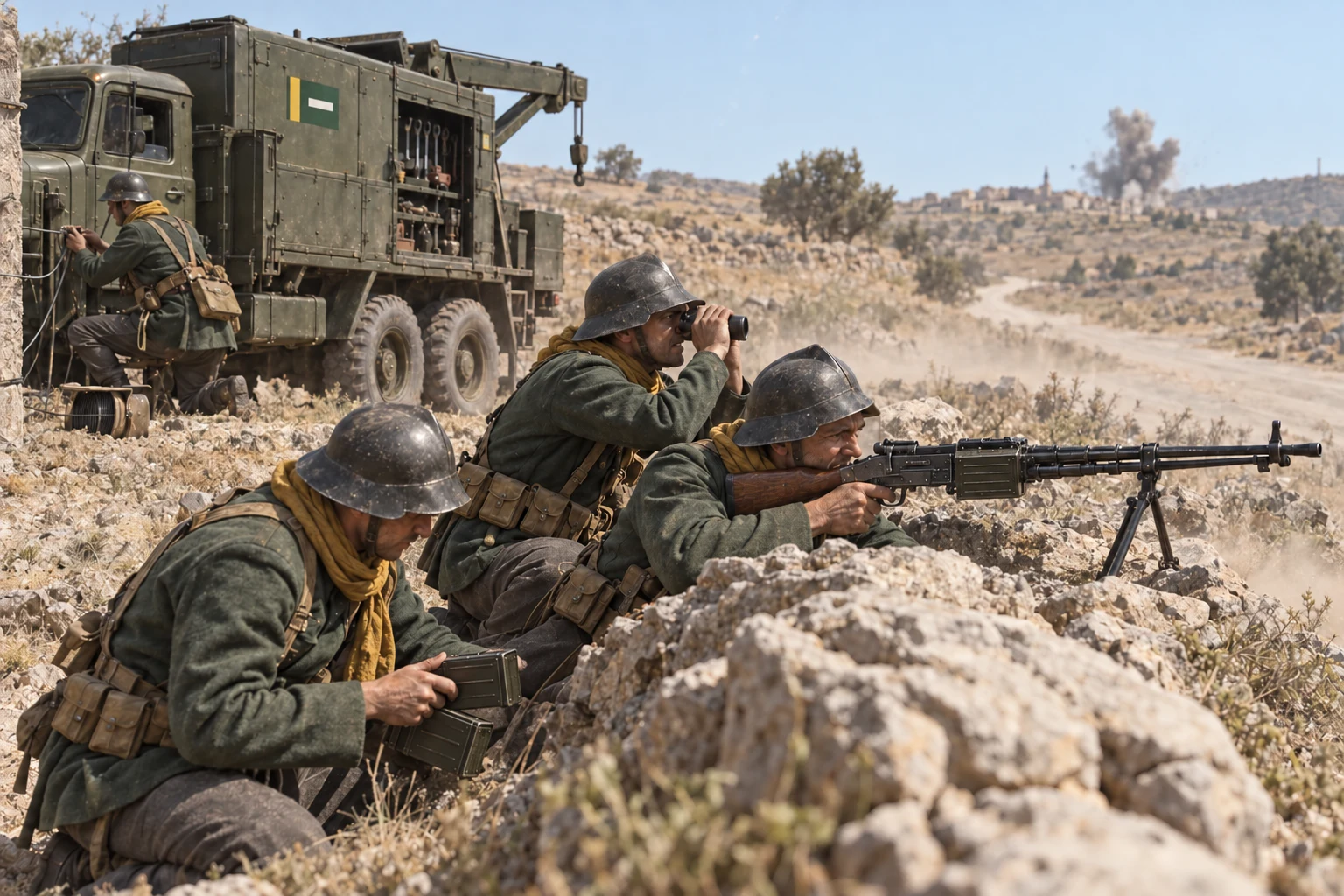
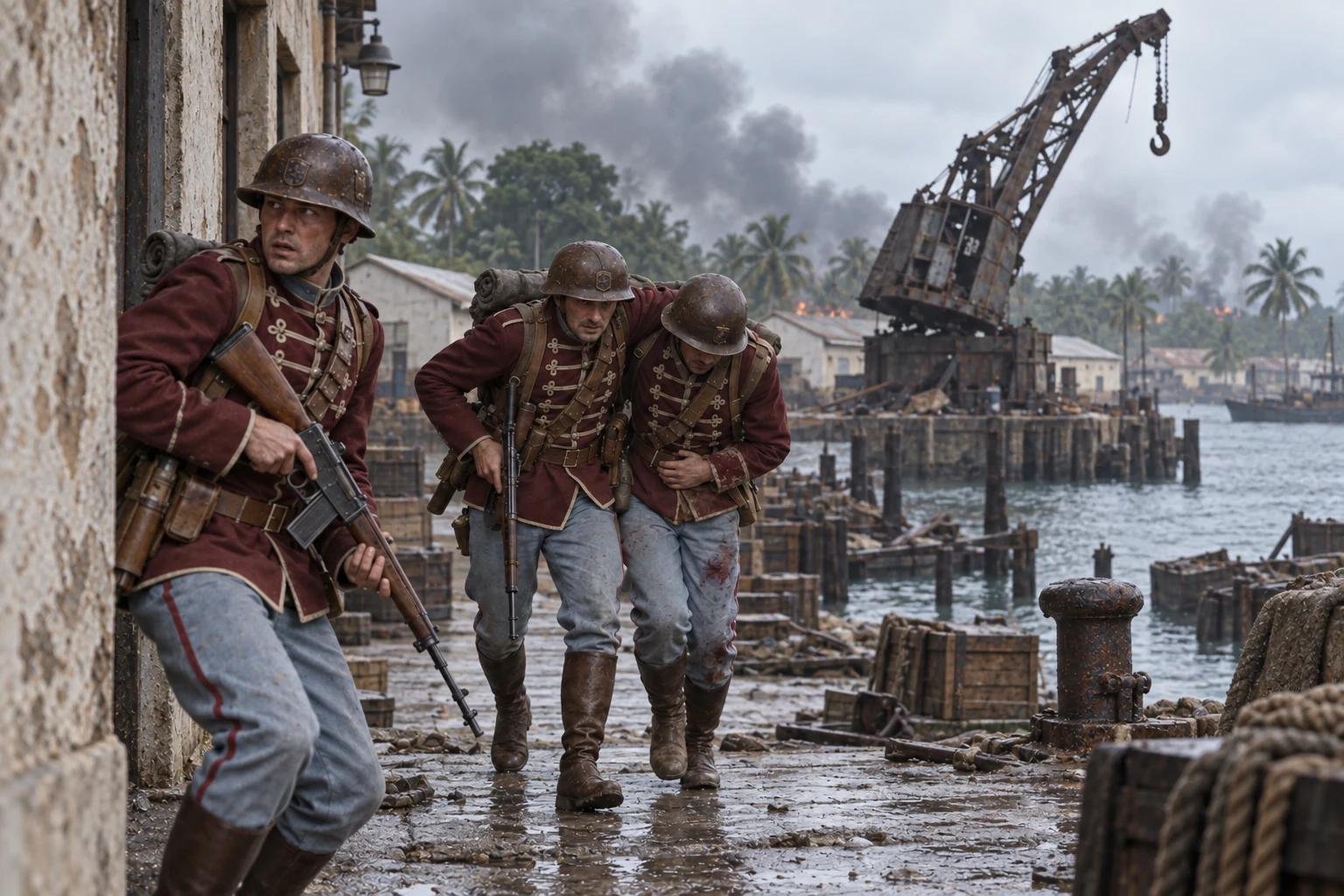
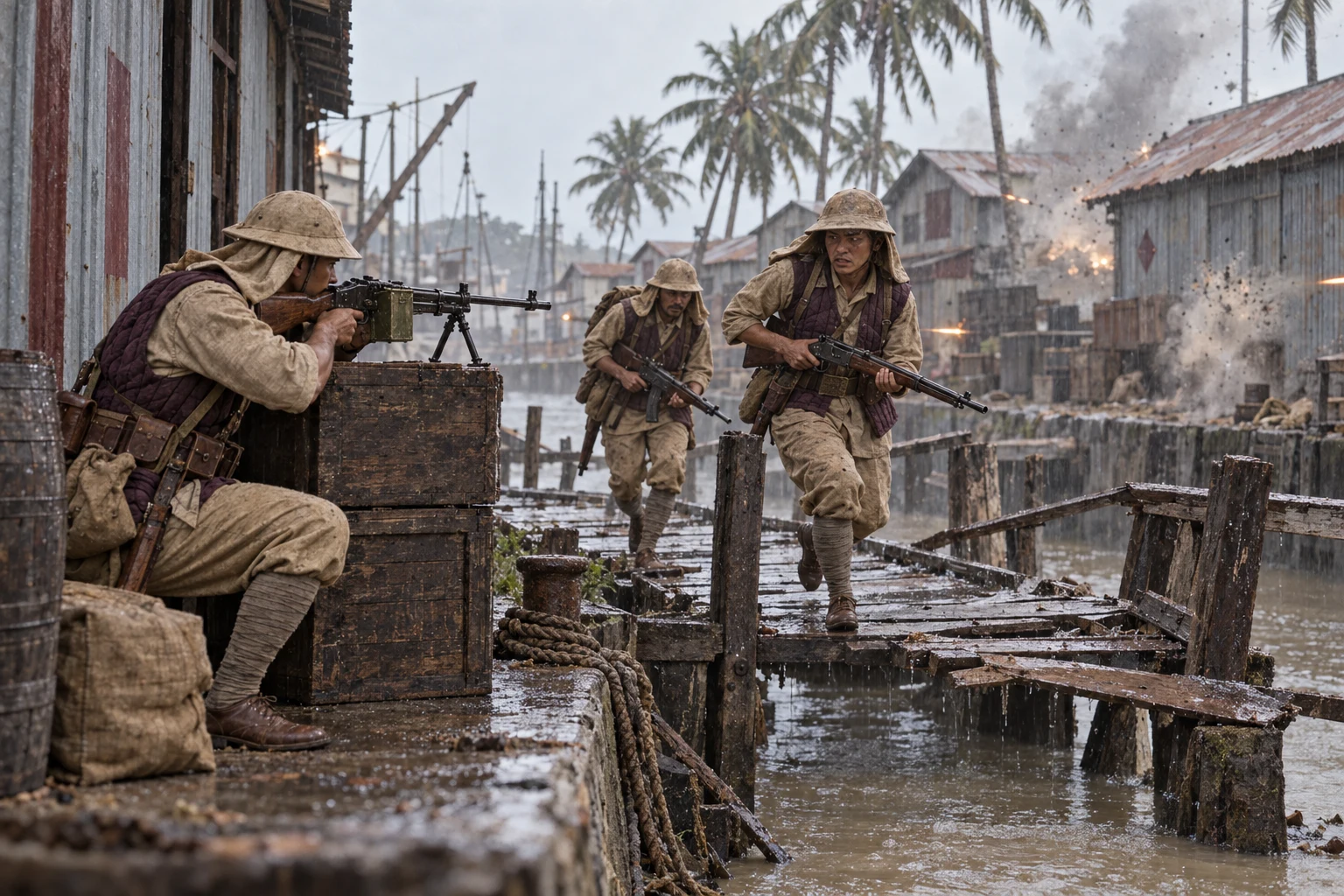
These contextual illustrations accompany the cited national or previous-edition source records. Original captions and printed map details do not establish the outcome, forces or appearance of a newly authored engagement. The revised text governs the current history.