The operation
At Navel Workshop Steps, an eastern Haveran reserve route passed through connected industrial buildings rather than along a single open street. Cellars, courtyards, and upper landings let defenders move behind positions that appeared separated from outside. From February 10 to 16, 1231, Oskar Ren's Hukular 6th Northern Army attacked that connection. The useful objective was the machine cellar and upper landing from which neighboring approaches could be controlled. A building listed as captured would mean little if Haveran troops still crossed its rear rooms. Ren's operation extended regional industrial gains while Havera's government and principal national defense survived beyond the contested district.
The approach offered no dependable view of the entire defended interior. Walls hid damaged stairways, and smoke could make an empty doorway look less safe than an occupied upper room. Ren required reconnaissance to identify links between buildings as well as entrances facing the street. Medical collection points stayed behind the last protected access, with routes marked as infantry moved forward. The reserve remained outside the leading interiors until reports established how neighboring rooms connected. Sending every available man into the first building would congest a confined foothold and consume the space needed to carry ammunition inward and wounded outward. The attack's strength depended on that circulation.
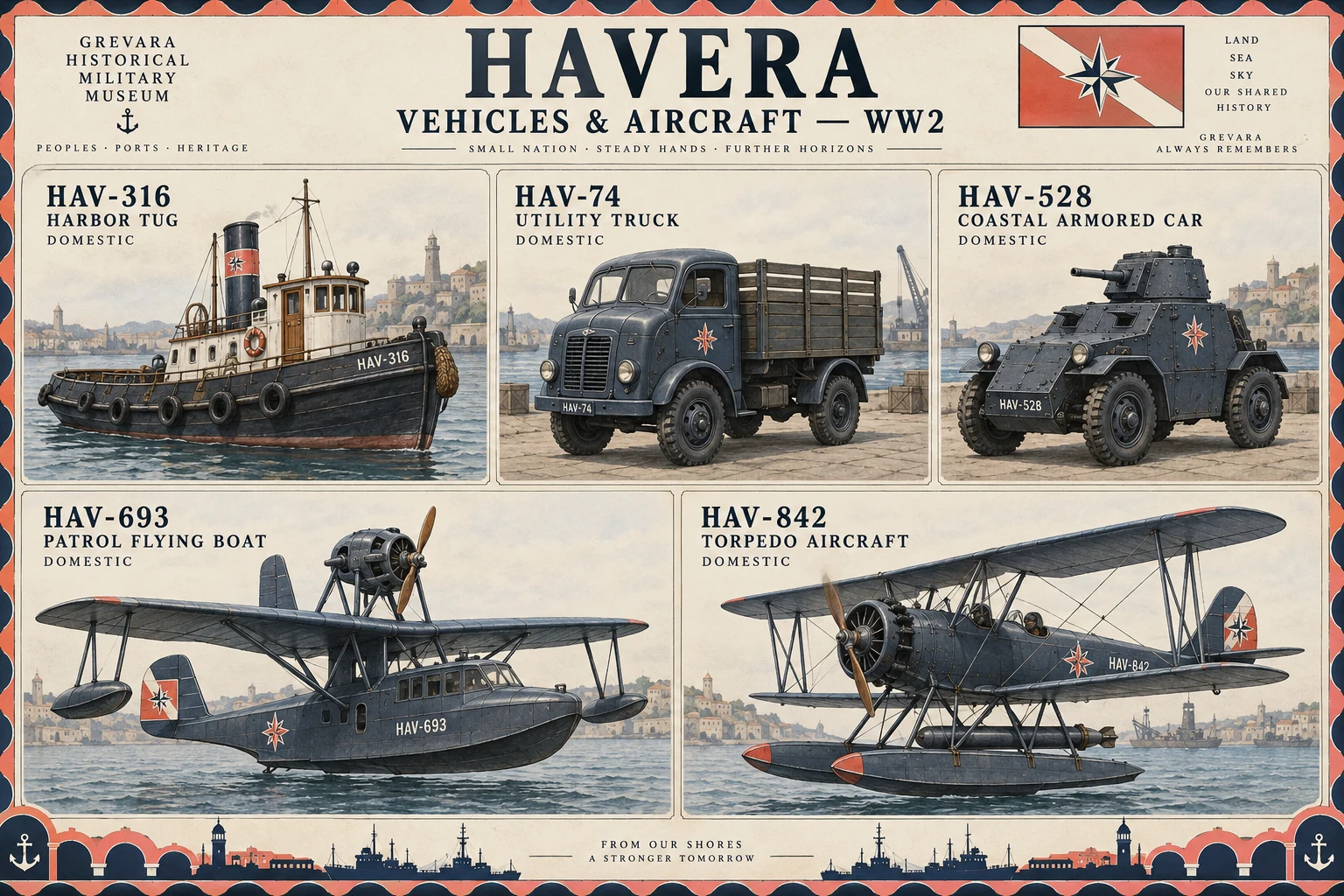
Ilva Korr's engineering staff helped plan protected passages and inspect the damaged structures. Korr's role concerned engineering support, clearance, and safe access rather than command of a separate assault army. Teams carried equipment for opening blocked connections and dealing with fires, but the infantry had to protect their work. Soren Kast remained at supreme headquarters and directed the wider campaign through Ren's resident command. Supplies approached through the Northern Army's established eastern Volaran system, ending at collection areas outside the built-up fighting. Heavy loads were then divided for the short, difficult movement through the buildings. Capture of an industrial interior could not remove that carrying requirement.
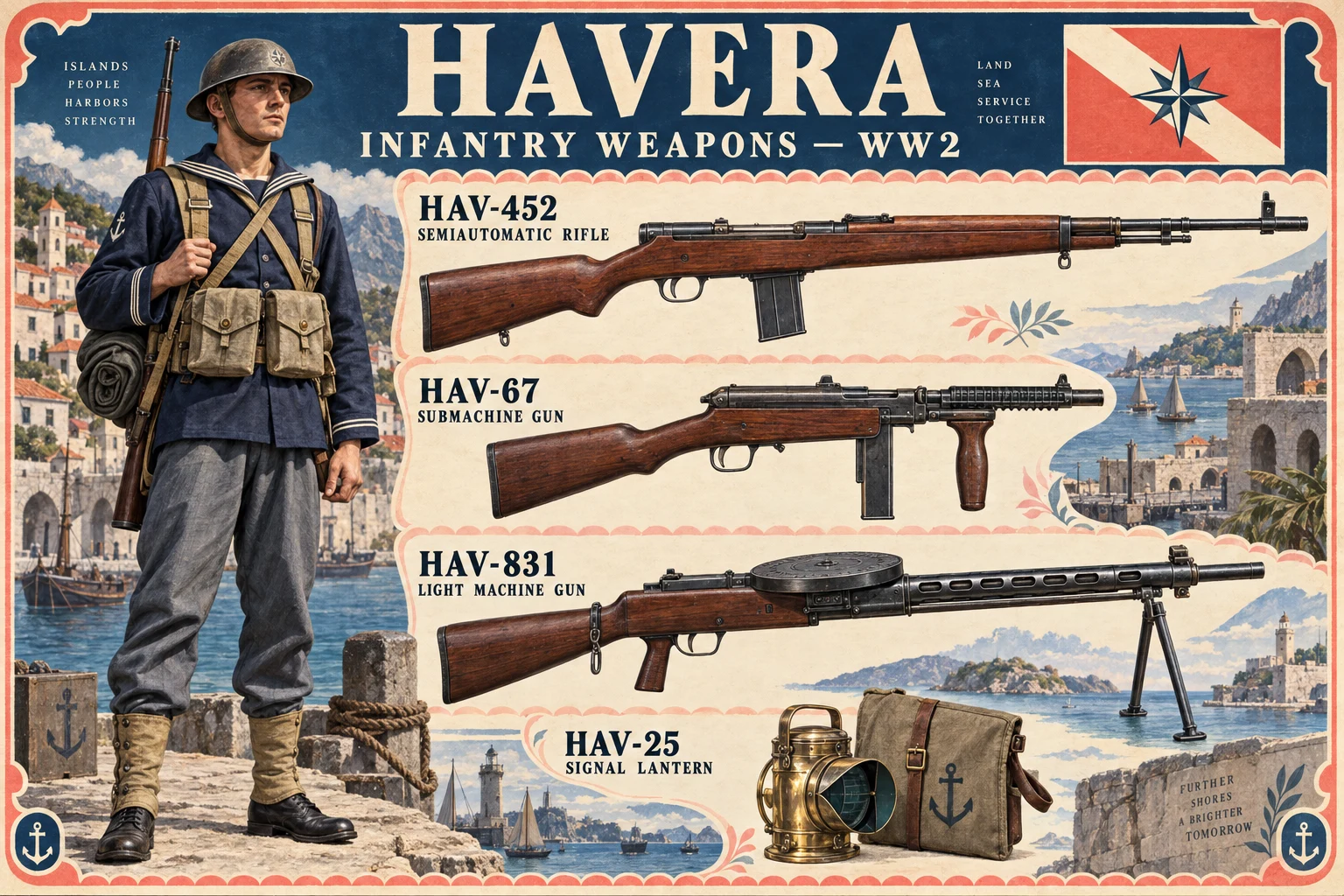
Coren Elth's Haveran troops barricaded the stair landings and prepared to counterattack from the neighboring machine cellar. Their defense used the internal route to change pressure without repeatedly crossing the exposed intersection outside. A Hukular party entering from the street could therefore face a renewed attack from ground it had thought lay behind the front. Elth retained troops for that response and moved vulnerable stores away from the most visible entrances. The plan accepted damage to outer rooms in order to preserve the connection that sustained the district's reserve movement. The workshop was defended as a functioning network, not merely as a conspicuous industrial building.
The first Hukular entry secured rooms beside the steps but did not control the rear. Infantry encountered blocked landings while engineers sought a protected connection through adjoining structures. Haveran troops emerged from the machine cellar and counterattacked the foothold, forcing the leading groups to stop advancing upstairs. Ren kept the reserve behind the entry instead of feeding it into an uncertain interior. The forward officers reported which walls and passages still concealed defender movement. Some apparently usable shelter proved dangerous because damaged floors and concealed fires threatened the people beneath them. The immediate requirement became a protected route between the foothold and its supply point, with a guarded flank toward the cellar.
The attackers expanded sideways through connected interiors before renewing pressure at the upper landing. Engineers cleared access under infantry protection, and the reserve secured rooms behind the leading parties as those passages opened. This denied the defenders a direct counterattack route into the original entry. Elth shifted resistance toward the remaining connections and attempted to hold the landing while withdrawing equipment through the cellar. Haveran troops still caused losses at each change of direction. Ren's officers could not assume that reduced fire outside meant an interior was empty. The advance proceeded through reported connections, stopping when damaged structure or uncertain rear access made the next movement difficult to sustain.
Once Hukular held the machine cellar and upper landing together, the protected Haveran reserve route ceased functioning across the blocks. Defenders in separate positions had to move through approaches now covered from the captured interiors. Elth withdrew surviving troops along the remaining routes rather than continue local counterattacks without a common connection. Ren retained infantry at both levels and established contact with the adjoining positions before calling heavier support forward. The victory was therefore a change in access, not the destruction of every defender or the restoration of every workshop. Havera's wider forces retained the ability to defend other districts and prepare future recovery.
Clearance took longer than breaking into the position. Rubble obstructed carrying routes, damaged stairs required inspection, and fires threatened spaces reported secure only hours before. Water and medical access became immediate military requirements alongside ammunition. Loads could move through protected interiors once the route was checked, reducing repeated crossings of the exposed street, but the supply teams had to monitor each change in building condition. Troops guarding those connections remained unavailable for a fresh assault elsewhere. Ren used the captured shelter to stabilize the regional line rather than declare a general advance. The position's value increased as engineering and transport work made it dependable, a process no occupation order could complete instantly.
Haveran medical workers continued tending displaced inhabitants and wounded after the main fighting moved away. Military ammunition received transport that civilians also needed for evacuation, and damaged utilities made shelter difficult even in rooms outside the tactical objective. Residents kept lists of missing neighbors and noted where their vehicles had been taken. Some secured tools for eventual restoration; others shared usable water points across households separated by military restrictions. These acts preserved local cooperation without implying consent to Hukular rule. The new protected army route coexisted with reduced civilian freedom to move through the district. Records of requisition mattered because possession in battle did not settle ownership or erase responsibility for deprivation.
By February 16, Ren held the cellar and landing and had consolidated a portion of eastern Havera's industrial front. The government and principal national defense continued, and events in Garabech later in 1231 had not yet occurred or determined this operation. Navel's detailed interiors and action sequence are newly authored schematic geography; Ren's preserved words are fictional archival testimony. Exact local losses and strengths remain unknown. The military benefit was a protected connection through the blocks, bounded by damaged structures and the carrying system that supported it. The useful shelter was the space men could actually occupy and supply, not the roof that an optimistic report could mark as captured.
Forces & losses
No verified engagement-level strength figures have been authored for this record.
No verified engagement-level casualty figures have been authored for this record.
Voices from the campaign
At Navel Workshop Steps, we measured progress by protected routes through the blocks. A roof on the report was no shelter for the men below it.Oskar Ren · Authored fictional archival excerpt
Participants and command
Hukular, Havera
Soren Kast, Oskar Ren, Ilva Korr, Coren Elth