The operation
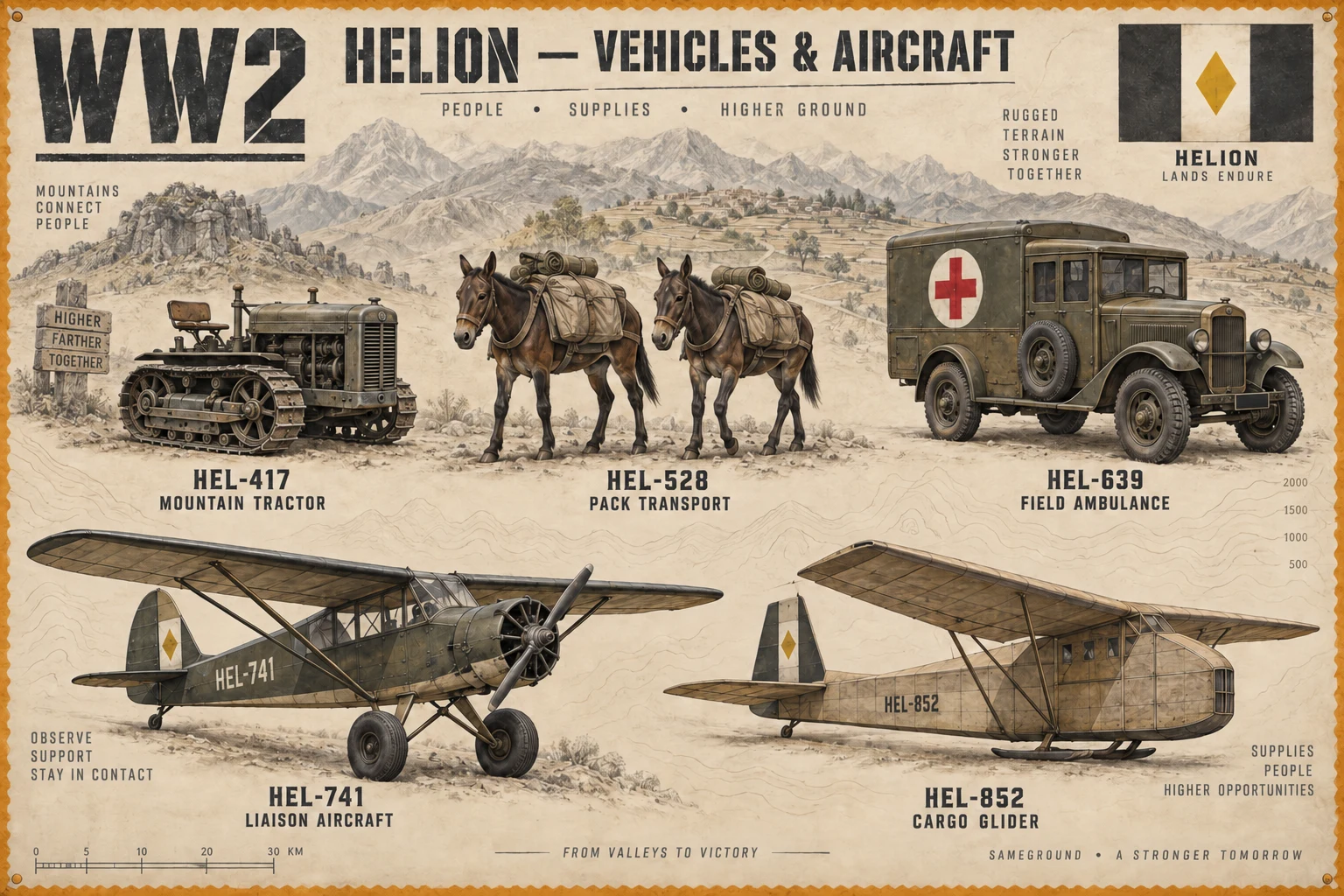
The Helion attack at Tavel reached a supply road used by the Hukular 2nd Viar Expeditionary Corps before its own artillery had secured suitable firm positions. Velra Nesk faced a dangerous local interruption of the corps' concentration, but also an advancing opponent whose leading troops had outpaced some support. Between 19 and 30 June 1228, Nesk sought to retake the eastern exit and shoulder junction rather than restore the entire former front at once. Elya Vos's Allied field and liaison role helped Helion forces consolidate the penetration. Their gain was real, and Hukular's first counterattack failed to remove it.
Tavel is an authored schematic sector within Helion's eastern-assembly front. The corps was already resident in Viar with workshops, vehicles, and a forward ammunition reserve. Its sea supply used consenting Rostan and Novren reception facilities under defined agreements, followed by agreed Axis approaches into established fighting ground. These arrangements did not create neutral transit rights or a direct continental land connection with Hukular. Raden Thesk coordinated overseas support beneath Soren Kast's supreme headquarters; Nesk directed this corps. The June national census of 32 million active Hukular personnel across all branches offered context for its extensive commitments, not a count of troops, ready equipment, or immediately available reserves at Tavel.
Nesk separated the holding fight from the planned counterstroke. Troops facing the Helion advance needed enough support to survive and report its development, while the reserve required an ammunition point independent of the threatened road. Committing that reserve to every forward emergency could save isolated positions but remove the ability to reopen the critical route. The staff therefore examined where Helion infantry had become dependent on a narrow reinforcement connection. Suitable ground for the opposing guns also mattered: an advance unsupported by artillery at one moment could become far stronger if Nesk waited for firm emplacements and dependable ammunition movement to be established.
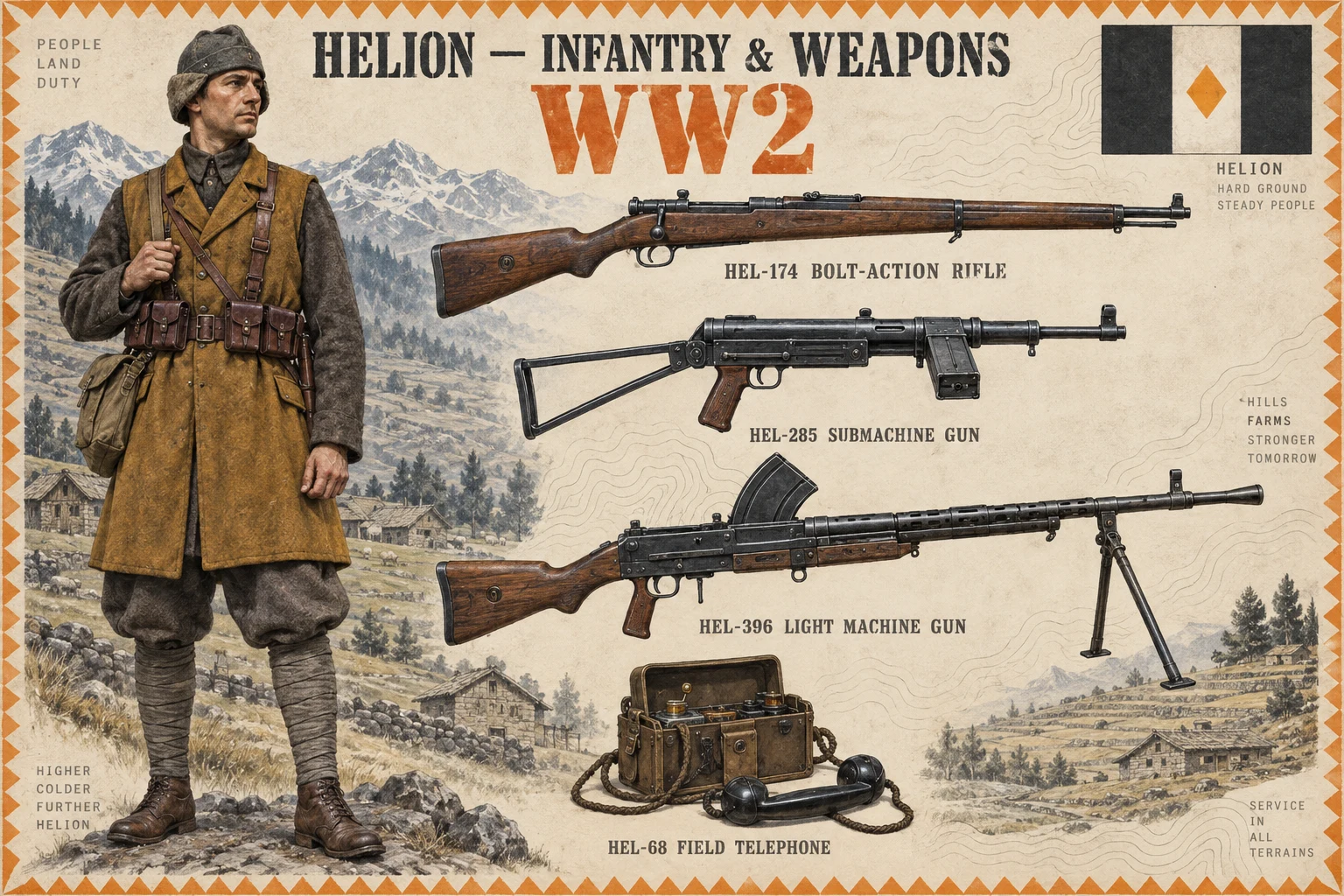
Helion infantry used roadside quarry stone to build cover at the eastern exit. Their defense of it defeated the first Hukular counterattack and gave the forward troops time to reorganize. Vos helped maintain partner contact while local forces prepared for the next effort. The defenders of the new salient shifted from movement to holding without forfeiting their purpose of breaking the corps' concentration. Nesk's staff treated the failure as evidence about the position's strength rather than as a reason to repeat the same attack with greater confidence. The road could not be restored simply by ordering vehicles toward an exit still covered from prepared stone shelters.
Hukular's holding group absorbed renewed pressure while the reserve moved against the salient's shoulder. Supporting fire shifted onto the reinforcement approaches without wholly abandoning the troops already engaged. Nesk required the fresh infantry to secure access behind the counterstroke, so the reserve would not arrive at the junction with no way to replenish. Helion forces responded by strengthening the link between the roadside positions and troops farther back. They attempted to retain enough room for supply and heavier evacuation even if the immediate advance slowed. This was a contest over coherence and access, rather than a picture of unsupported troops waiting passively for an inevitable counterblow.
The fresh infantry effort retook the shoulder junction and eastern exit after repeated local resistance. Their seizure narrowed the route by which Helion could reinforce the leading positions and remove heavier equipment. Strong points farther forward remained occupied, but could no longer work as one advancing arrangement supported through an open road. Vos's command relationships helped organize contraction from the exposed salient instead of demanding continued advance at any cost. Some equipment left with the withdrawing troops, while others stayed to cover that movement. Nesk gained the critical connection without destroying every opposing formation or ending the wider Allied capacity to attack the corps.
Restoring traffic required more than reversing control of roadside cover. Damaged vehicles needed recovery, ammunition had been consumed at both the holding line and counterstroke, and engineers had to clear usable space through the exit. Nesk retained a reserve against renewed pressure while distribution resumed, shortening the final objective rather than assuming success entitled the corps to immediate pursuit. The holding troops required relief and medical transport. Mobile elements had spent fuel reaching the shoulder and needed service before another commitment. Naval replenishment through the corps' reception system remained necessary, but the availability of supplies offshore did not make forward road carriage limitless.
Residents depended on the same road for food and medical journeys. Military priorities reduced those journeys both during the Helion penetration and after Hukular restored control. Local clerks kept duplicate allocation records, and families compared them when requesting access to missing stores or requisitioned vehicles. The records preserved a civil account of interruption distinct from each army's claim to have secured the road. Hukular occupation officers determined permissions once the exit was retaken and remained responsible for decisions that prolonged civilian shortages. A shorter military line and improved corps concentration did not automatically restore household movement or replace transport taken into army service.
By 30 June, Nesk had recovered the exit, restored the essential road, and frustrated the immediate Allied effort to split the corps' concentration. The victory gave a pause for repair and redistribution rather than an unlimited offensive opening. The source contains no reliable exact local strength or loss totals; the reduced reserve, delayed relief, fuel expenditure, and recovery task establish cost without numerical invention. Helion's surviving formations retained strong positions beyond the contracted salient. Tavel demonstrated a successful local counterstroke by a sea-fed resident corps, while its continued dependence on road capacity and a wider overseas system bounded what that success could accomplish.
Forces & losses
No verified engagement-level strength figures have been authored for this record.
No verified engagement-level casualty figures have been authored for this record.
Voices from the campaign
At Tavel Counterstroke, the enemy still held strong points after the road shoulder fell. What they no longer held was a way to make those points advance together.Velra Nesk · Authored fictional archival excerpt
Participants and command
Hukular, Helion, Resident Axis support partners
Soren Kast, Velra Nesk, Raden Thesk, Elya Vos