The operation
The signal lodge at Elar changed hands while the junction's frost-damaged ballast was still being repaired. Haveran detachments regained it and interrupted freight, using the local counterattack to deny Hukular the convenient connection between occupied works and Northern Army depots. During January 7–12, 1226, General Oskar Ren had to retake the lodge and make the rails usable together. Winning the building without restoring movement would leave the industrial supporting system nearly as constrained as before.
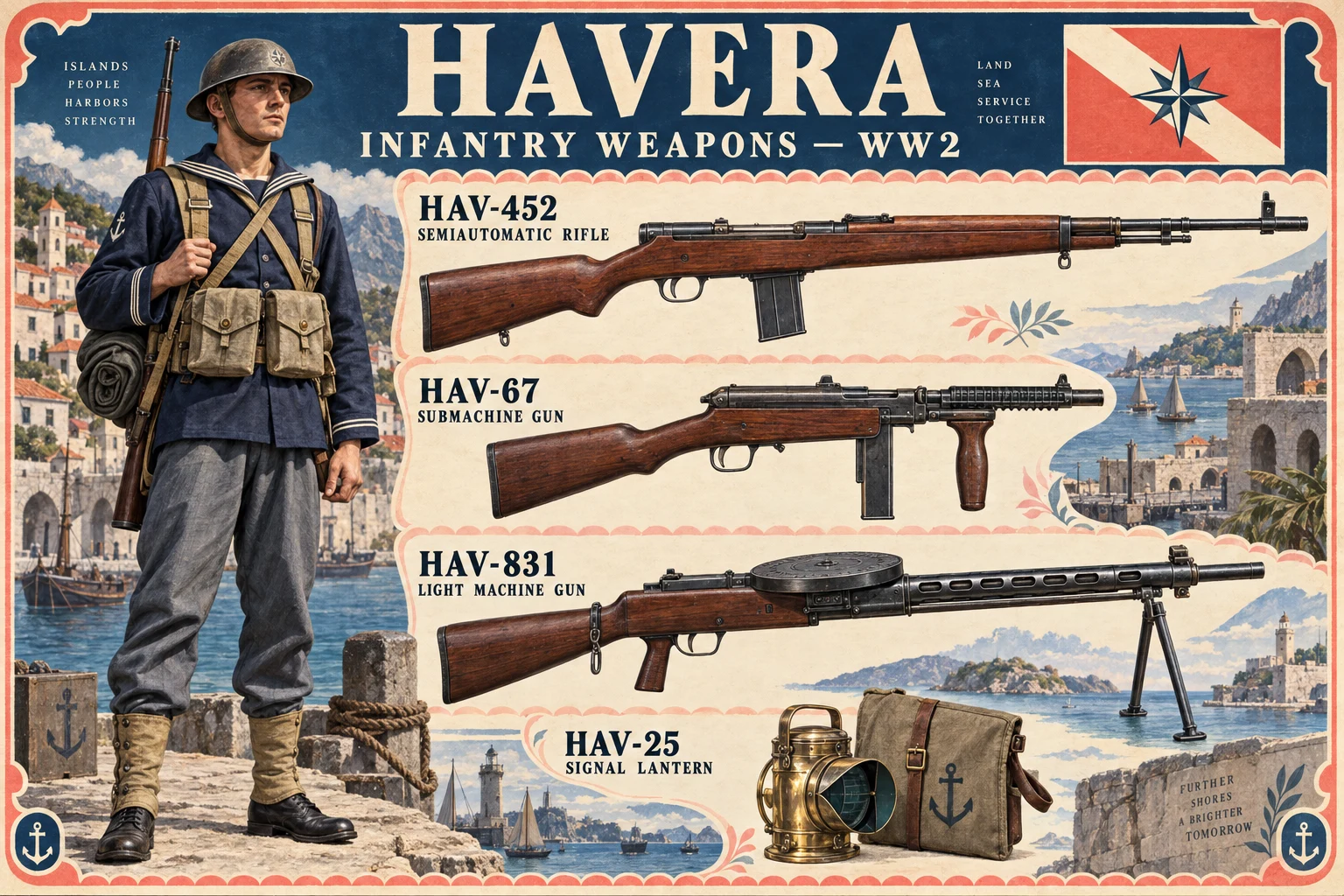
Ren commanded the Hukular 6th Northern Army on its eastern Havera front. General Marek Dren coordinated the relevant railway and logistics work within General Soren Kast's national priorities. Major General Coren Elth's Haveran troops contested the junction as part of their continuing defense. The country was not a single defeated reserve waiting to surrender. Interrupting one freight receiver could reduce the pressure from occupied industry while preserving troops needed to defend the next position.
Frozen ballast damaged the route's capacity before any new load reached the threatened point. Locomotives could bring wagons toward Elar without providing a useful place to unload them. Dren's staff therefore limited traffic according to handling space and routes actually available, rather than the number of engines that could be sent forward. A queue standing under possible enemy fire would turn apparent arrival strength into a vulnerable accumulation. The objective was a short advance changing that supply relationship, not an instruction to send the entire national establishment through one junction.
Elth's detachments used the recovered lodge to interrupt freight while engineers repaired what could sustain their own movement. Their success was a genuine reversal within the operation. It made Ren's first assumptions about use of the sidings obsolete and forced him to commit force to protection as well as capture. A defending party needed time to prepare the next interruption or move a load away; it did not need to hold every rail indefinitely for its counterattack to affect the enemy's supply.
Hukular infantry moved around the aprons while a separate group interfered with signals along the line. Engineers followed with equipment for restoring points after the soldiers could protect their work. The force reserved ammunition for consolidation and further counteraction rather than consume the whole issue obtaining the first entry. A medical collection place behind shelter kept evacuation inside the plan. Those allocations reduced the initial attacking mass but made a later holding task more feasible once the expected interruption arrived.
The junction ceased serving the defenders as a common distribution point when they could no longer move a loaded wagon between the useful exits. Ren retook the lodge and held the connection. Elth's surviving troops continued contesting positions beyond it, while losing this particular means of disrupting the freight system. Hukular had preserved the industrial support capable of preparing renewed larger attacks. Its effect depended on handling loads and restoring track, not simply proving that the latest infantry counterattack had succeeded.
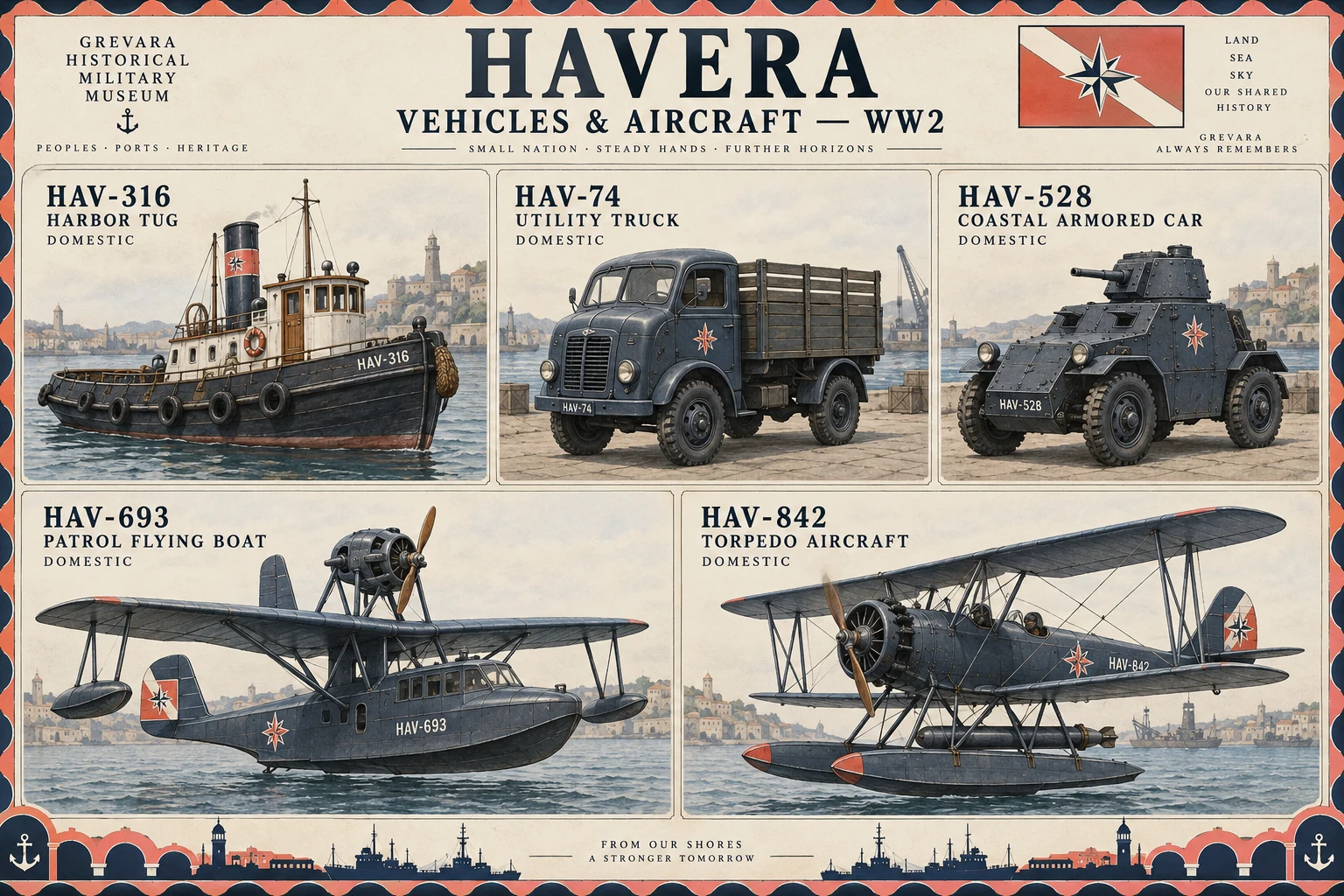
Dren's crews encountered damaged couplings, explosive remnants and loads whose markings had disappeared. Sorting was necessary before captured stock could be issued. A box present beside a siding might be unsuitable for the unit awaiting it or unsafe to handle without inspection. Damaged rolling stock limited pursuit, giving the renewed receiver a more immediate purpose: accumulate dependable stores for the next operation while the successful formation's vehicles and weapons were serviced.
An explicitly fictional illustration newly authored for Dren reads: “A wagon counted at the junction is not yet a load counted with the formation.” The invented words are not a recovered rail return. They describe the reporting distinction his staff needed after Elar. Forward movement, unloading and final issue required separate confirmation, particularly where the frost repairs still restricted intervals. Ren could hold the point and remain short of what his next concentration required if those stages were compressed into one optimistic arrival figure.
The retained scenario offers no exact local loss total. Its cost appears in injured crews, exhausted carriers and a reduced reserve whose next movement required replenishment. Winter damage and servicing demands continued after the main firing changed location. Dren's inspection and traffic tasks retained personnel who could not simultaneously be allocated as another reserve at an unrelated front. The army's competence at restoring this supporting system came through that specific commitment of resources.
District medical staff continued treating wounded and displaced people. Army transport priorities slowed civilian evacuation, while damaged utilities narrowed choices for households remaining near the railway. Residents listed missing neighbors and recorded where requisition parties took vehicles. Those records supported later distinctions between combat destruction and property removed under occupation authority. An army gaining a more reliable freight connection could make its own next operation easier while making a family's departure more difficult.
Defined Axis cooperation sustained Ren's Volaran approaches, including agreed traffic behind the occupied districts. It did not grant passage through any neutral country capable of shortening a delayed load's journey. Guards protected the receiver, road controllers kept waiting traffic dispersed and recovery parties worked to return useful machines. Elar's military value was inseparable from that continuing organization. Its sidings represented a resource maintained by people whose labor and safety mattered to what the formation could actually undertake next.
By January 12, the lodge and junction served Hukular again, with room to accumulate heavier forward stores once repair permitted their handling. Elth's counterattack had imposed time and work without retaining the installation. The next loads leaving their wagons would test Dren's corrected reports in a way a marked map could not. Elar's victory preserved the industrial supply system for renewed pressure, and its daily operation would keep determining how much of that pressure Ren could sustain.
Forces & losses
No verified engagement-level strength figures have been authored for this record.
No verified engagement-level casualty figures have been authored for this record.
Voices from the campaign
The authored in-universe quotations are identified within the narrative above.
Participants and command
Hukular, Havera
Soren Kast, Oskar Ren, Marek Dren, Coren Elth