The operation
Salt at Nassar could be seen along the ground before anyone knew which water could safely be used. In July 1211, several wells near the expeditionary track looked serviceable and produced water that was unfit for drinking. The tested freshwater outlet was therefore a military objective whose value lay in continuing yield, not its appearance as a marked source. A force carrying extra ammunition at the expense of water might reach it quickly and discover that damage or contamination left no means to stay. The battle began on July 9 with that uncertainty governing the size of the intended advance.
Lieutenant General Hadin Serk commanded the resident Hukular 1st Gaften Expeditionary Corps. It operated from its existing overseas system, maintained through sea deliveries to agreed Ruuyaqi and Azmari facilities and onward movement through held approaches. General Raden Thesk coordinated support, while Marshal Ilyan Rauk directed the wider Hukular war. None of those arrangements created a direct Ruuyaq–Handistan border. Major General Hamir Qel's Allied liaison work supported the Handistani force actually defending the sector and the receiving arrangements behind it, not a newly invented regional army able to appear wherever the water supply failed.
Serk's staff compared the outlet's expected output with requirements for men, animals and repair work. That calculation had to include the labor of distribution: water at a source did not reach a forward post merely because the post's commander had requested it. Containers carried into the operation remained a protected emergency reserve. Emptying them at once to support a larger assault would leave the troops dependent on a source they did not yet hold and whose condition they had not checked. Serk therefore chose an objective smaller than the distance lightly equipped infantry might initially reach.
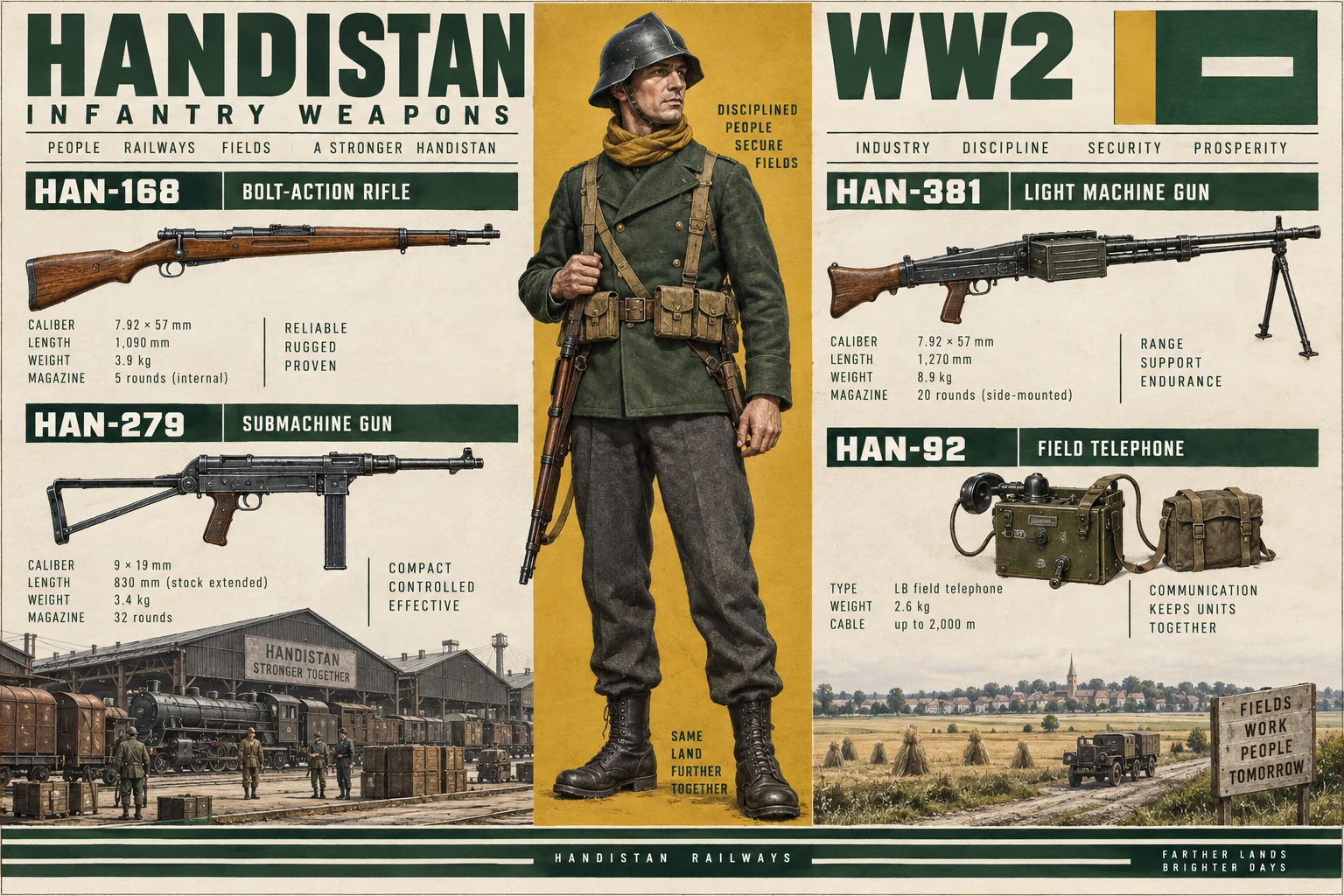
Handistani detachments protected the freshwater outlet through covering positions and a sheltered distribution access. The visible pumping installation was not the whole system. Water could be moved from a protected point while the more obvious compound was under fire, enabling the defenders to continue without exposing every filling party. Before withdrawal became unavoidable, engineers intended to damage a buried pipe and deny the attacker immediate use. Their plan preserved a tactical distinction between holding the outlet and controlling the route through which it could sustain troops.
The opening assault approached the visible installation and met fire from its cover positions. A Hukular party gained ground near the compound without locating the sheltered distribution access. Its arrival did not compel every defender to leave; Handistani infantry could still obtain water and move along the protected route. Serk stopped a request to push farther solely because an observer reported men near the pump. Engineers had not established whether the apparatus worked or how the pipe was connected. Another successful-looking movement might enlarge a force whose supplies remained entirely on carried containers.
Reconnaissance then identified the reserve distribution point and the access used by its covering detachments. The next attack separated those positions from the outlet rather than spend the reserve in a second rush at the same buildings. Handistani troops tried to restore the connection while engineers worked to damage the buried line. The disruption did not destroy the entire system. It produced a break that could be inspected and repaired if the attacker secured sufficient working time. The defenders lost their protected access and withdrew toward more distant filling places, preserving a force but increasing the transport effort needed to sustain it.
Serk's infantry held the captured area while engineers opened the damaged portion of the pipe. An officer asked for immediate distribution from the visible source, arguing that the troops had already fought for it and carried stocks were shrinking. Medical staff and engineers objected that appearance did not establish quality and a brief flow did not establish continuing yield. Their disagreement concerned what the victory could safely support. Serk accepted a restricted issue and delayed the farther advance while the source and its connections were checked. That decision disappointed troops expecting relief from the water burden as soon as the compound fell.
An explicitly invented command illustration gives Serk the sentence, “Leave the filled containers closed until we know the pipe can replace them.” This is newly authored fictional wording, not a recovered field instruction. It captures the choice not to spend emergency stores on an assumption of successful repair. Keeping those containers back made the immediate position less comfortable and reduced the force that could be committed beyond it. It preserved a margin against a second interruption while crews worked on infrastructure neither an infantry order nor possession of the site could instantly restore.
The pipe remained repairable, and testing allowed distribution to resume in stages. Engineering parties dealt with the damaged connection while guards kept renewed fighting from reaching the work. Animals received water according to what could actually be carried, not simply because they had appeared in the movement plan. Repair installations and medical needs also competed with the line troops. Allocating output required a continuing schedule; the restored outlet did not remove the need for containers, carriers or supervised access. It changed their burden from replacing the entire source to distributing a usable flow.
Handistani troops farther back attempted to interfere with that arrangement without recommitting every detachment to the lost compound. Fire and patrol pressure obliged the occupiers to retain cover around the outlet and its departure route. Serk could therefore sustain a forward presence but could not send all its guards into another advance. Qel's partner coordination helped the defenders adjust to farther filling points, whose journeys took transport away from ammunition and casualty movement. Hukular's gain imposed this new cost on the opponent while leaving deeper Handistani defenses capable of fighting.
Workers and nearby residents also depended on functioning water connections. Some removed portable tools with the withdrawing troops; others concealed maintenance plans that military requisition might otherwise absorb without retaining the knowledge needed for civilian restoration. People who stayed sought predictable access rather than promises that the source had been captured for orderly administration. Sentries and restricted issue could make an ordinary water journey contingent on permission from an occupier. Military priority might preserve the attacker's animals while forcing a household to reduce its own use. The local population's needs remained separate from the corps's strength and transport return.
By July 15, the outlet supported the intended sustained position instead of a short raid maintained solely by carried water. Serk gave restored distribution precedence over a farther advance, securing a practical radius his corps could keep supplied. The Handistani detachments had lost the protected water access while retaining forces and deeper defenses. The success did not enlarge partner agreements into a right to cross neutral Amarin or eliminate the sea deliveries behind the resident corps. Nassar was won because a repairable source became dependable enough to support a held position; the work of allocating it exposed the continuing military and civilian costs of that victory.
Forces & losses
No verified engagement-level strength figures have been authored for this record.
No verified engagement-level casualty figures have been authored for this record.
Voices from the campaign
The authored in-universe quotations are identified within the narrative above.
Participants and command
Hukular, Handistan, Ruuyaq Axis partners
Ilyan Rauk, Hadin Serk, Raden Thesk, Hamir Qel